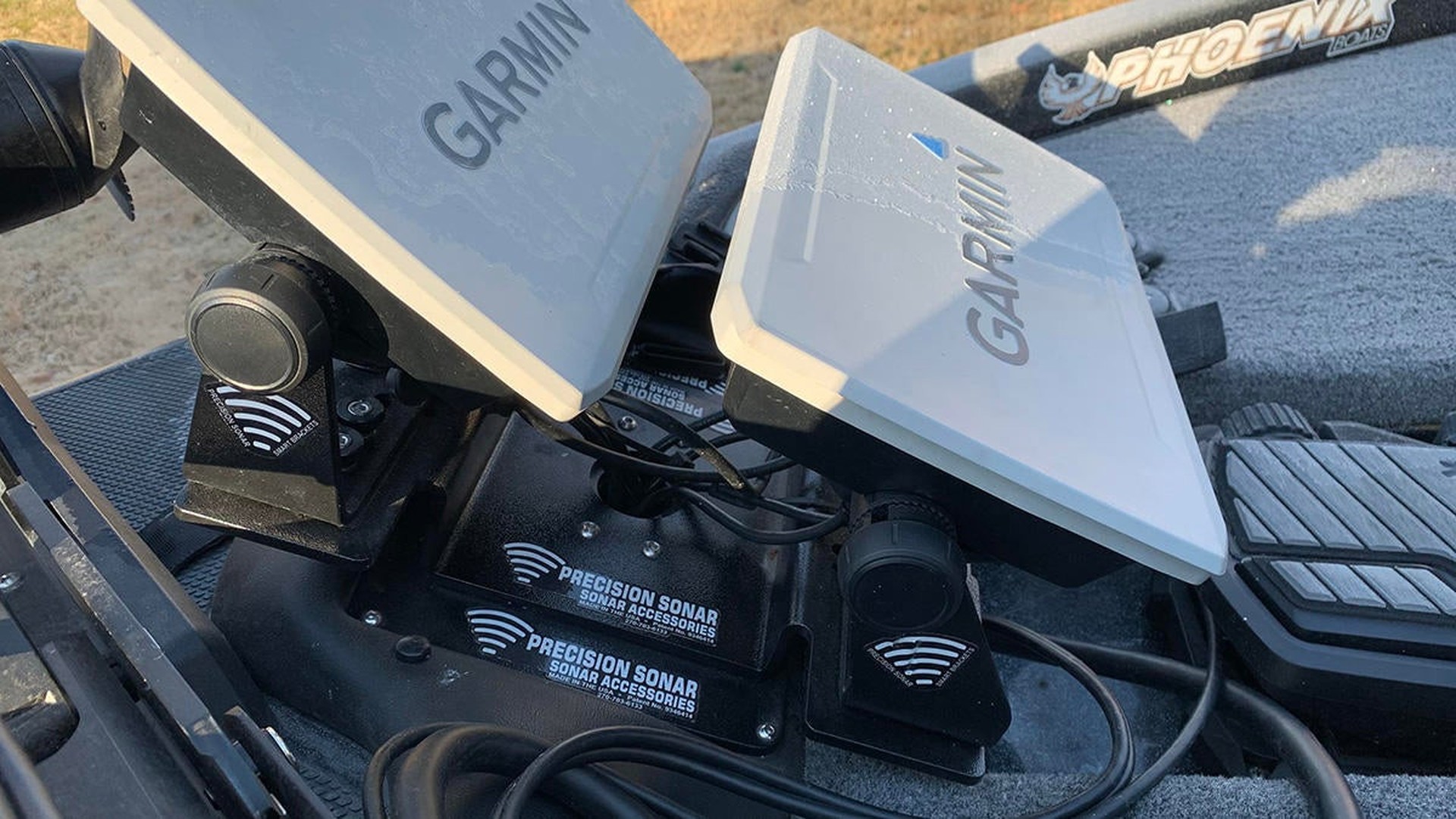
Best Fish Finders for 2026: Sonar, GPS & Live Imaging Compared
Affiliate Disclosure: This article contains affiliate links. If you purchase through these links, we may earn a commission at no extra cost to you. This helps support our site and allows us to continue creating in-depth gear reviews. Our recommendations are based on independent testing and research.
A quality fish finder transforms fishing from guesswork into strategy. Whether you're marking structure on your home lake, finding suspended crappie in 30 feet of water, or scanning for bass on unfamiliar tournament waters, modern fish finders show you what's happening beneath the surface with stunning clarity. After testing units from $200 to $2,000+ across bass boats, kayaks, and ice fishing setups, here's our definitive guide to the best fish finders for 2026.
| Fish Finder | Best For | Price | Screen | Sonar | GPS | Rating |
|---|---|---|---|---|---|---|
| Garmin ECHOMAP UHD2 93sv | Best Overall | ~$1,100 | 9" touch | CHIRP + SideVü + ClearVü | Built-in | ⭐ 9.5/10 |
| Lowrance HOOK Reveal 7 | Best Value | ~$400 | 7" color | CHIRP + DownScan | Built-in | ⭐ 9.0/10 |
| Humminbird HELIX 7 G4N | Best Mid-Range | ~$650 | 7" color | CHIRP + Side Imaging | Built-in | ⭐ 9.2/10 |
| Garmin Livescope Plus LVS34 | Best Live Imaging | ~$1,500 | Transducer only | Live Sonar | Req. display | ⭐ 9.6/10 |
| Garmin Striker Vivid 5cv | Best Budget | ~$200 | 5" color | CHIRP + ClearVü | GPS waypoints | ⭐ 8.5/10 |
| Lowrance HDS PRO 9 | Best Premium | ~$2,000 | 9" touch | ActiveTarget + Structure | Built-in | ⭐ 9.4/10 |
🔗 Compare Fish Finder Prices on Amazon
Sonar Technology Explained: What You're Actually Buying
Fish finder marketing is filled with acronyms and buzzwords. Here's what actually matters:
Traditional/CHIRP Sonar
This is the core fish-finding technology. CHIRP (Compressed High-Intensity Radiated Pulse) sends a continuous sweep of frequencies rather than a single frequency, producing dramatically clearer images than older single-frequency sonar. Every fish finder on this list uses CHIRP — it's the baseline. You'll see fish arches, bottom structure, thermoclines, and baitfish schools. If you can only afford one sonar type, CHIRP is it.
Down Imaging (DownScan/ClearVü)
Uses a thin, high-frequency beam to create photo-like images of the bottom directly below your boat. Reveals structure detail that traditional sonar can't — you'll see individual rocks, stumps, brush piles, and fish relating to structure. Think of it as an underwater photograph vs. traditional sonar's underwater sketch. Essential for finding and fishing cover.
Side Imaging (Side Scan/SideVü)
Scans wide swaths of water to the left and right of your boat — typically 100-200 feet per side. This is the technology that lets you cover water efficiently, finding offshore structure, rock piles, creek channels, and schools of fish that you'd never find with down-looking sonar alone. Side imaging is the single biggest upgrade for serious anglers.
Live Sonar (LiveScope/ActiveTarget/MEGA Live)
The game-changer of the last 5 years. Live sonar shows real-time, video-like images of fish, structure, and your lure underwater. You can literally watch a bass follow your jig, see it strike, and confirm the hookset — all on screen. Garmin LiveScope and Lowrance ActiveTarget are the two leaders. This technology has fundamentally changed competitive bass fishing and is rapidly becoming standard for serious recreational anglers.
Fair warning: live sonar is addictive. Once you fish with it, going back to traditional sonar feels like going from HD TV back to rabbit ears.
Detailed Fish Finder Reviews
1. Garmin ECHOMAP UHD2 93sv — Best Overall
Price: ~$1,100 | Screen: 9" touchscreen | Sonar: CHIRP + ClearVü + SideVü | GPS: Built-in with LakeVü maps
The Garmin ECHOMAP UHD2 93sv hits the sweet spot between capability and price better than any fish finder on the market. The 9-inch touchscreen is large enough to split between sonar and GPS mapping without squinting, and the combination of traditional CHIRP, ClearVü (down imaging), and SideVü (side imaging) gives you complete water coverage.
Garmin's pre-loaded LakeVü g4 maps cover 18,000+ U.S. lakes with 1-foot contour lines — genuinely useful for finding structure without creating your own maps. The Auto Guidance trolling motor integration (with compatible Garmin Force trolling motors) lets the unit plan routes around shallow water automatically. The ActiveCaptain app connects your phone for software updates, waypoint sharing, and community-submitted data.
In testing across multiple spring bass fishing trips, the UHD2 93sv consistently identified brush piles, standing timber, and channel swings that produced fish. The ClearVü images were sharp enough to distinguish between hard and soft bottom — critical for identifying spawning flats. The SideVü coverage let us scan entire coves in minutes rather than making multiple passes with down-only sonar.
Pros: Excellent 3-in-1 sonar, 9" touch display, pre-loaded LakeVü maps, LiveScope compatible, ActiveCaptain integration
Cons: $1,100 (screen + transducer), LiveScope transducer sold separately ($1,500 additional), touchscreen can be finicky with wet hands
2. Lowrance HOOK Reveal 7 — Best Value
Price: ~$400 | Screen: 7" color | Sonar: CHIRP + DownScan Imaging | GPS: Built-in
The Lowrance HOOK Reveal 7 delivers 85% of a premium fish finder's capability for less than half the price. The 7-inch SolarMAX display is visible in direct sunlight — a common weakness of budget fish finders — and the combination of CHIRP sonar and DownScan Imaging provides enough detail to find structure, mark fish, and navigate confidently.
The FishReveal overlay is Lowrance's killer feature at this price point: it combines traditional CHIRP fish arches with DownScan structure images on a single screen, showing you exactly how fish relate to the cover they're using. This eliminates the guesswork that plagues traditional-sonar-only setups and makes the HOOK Reveal feel like a much more expensive unit.
For kayak anglers, small boat owners, and anyone building their first serious fishing electronics setup, the HOOK Reveal 7 is our top recommendation. The money you save vs. a $1,000+ unit is better spent on a trolling motor, quality tackle, or a second transducer for ice fishing.
Pros: $400 price, FishReveal overlay, sunlight-readable display, built-in GPS, intuitive menus, portable power kit available for kayaks
Cons: No side imaging, no touchscreen (button-only), no live sonar compatibility, mapping not as detailed as Garmin/Humminbird
3. Humminbird HELIX 7 G4N — Best Mid-Range
Price: ~$650 | Screen: 7" color | Sonar: CHIRP + Side Imaging + Down Imaging | GPS: Built-in
The Humminbird HELIX 7 G4N includes side imaging at a price where competitors offer only down imaging — that's its defining advantage. Side imaging coverage of 125 feet per side lets you scan entire points, humps, and flats without driving directly over the structure. For structure-fishing species like bass, walleye, and crappie, side imaging is the single most productive sonar technology, and the HELIX 7 puts it within reach of mid-budget anglers.
The MEGA Down Imaging and MEGA Side Imaging (available on the MEGA SI+ version) use higher frequencies for sharper images, but even the standard CHIRP Side Imaging on the G4N produces usable structure images at 100+ feet. The Dual Spectrum CHIRP provides both wide and narrow beam coverage, automatically adjusting to conditions.
Pros: Side imaging at $650 (best value for SI), Dual Spectrum CHIRP, AutoChart Live mapping, Ethernet networking, proven Humminbird reliability
Cons: Button-only interface, mapping slightly behind Garmin LakeVü, MEGA Live requires separate transducer and display upgrade
4. Garmin Livescope Plus LVS34 — Best Live Sonar
Price: ~$1,500 (transducer only) | Sonar: Real-time live imaging | Requires: Compatible Garmin display
Garmin LiveScope has single-handedly changed how fish are caught in America. The LVS34 transducer produces real-time, video-quality images of fish, structure, and your lure. You watch bass swim up to your bait, decide whether to eat it, and commit or reject — all in real time on your screen. It's like underwater drone footage, except it's sonar.
The LVS34 offers three modes: Forward (scanning ahead of the boat), Down (directly below), and Perspective (a 3D-like forward/down view). Forward mode is revolutionary for docks, seawalls, and standing timber — you can see fish and structure 100+ feet in front of the boat without moving. Down mode shows your lure dropping to fish with precision that makes vertical jigging almost unfair.
Who needs this: Tournament bass anglers, serious crappie fishermen, anyone who wants the most advanced fish-finding technology available. Who doesn't: Casual anglers, small lake fishermen, anyone who considers $1,500 (plus $1,100+ for a compatible display) a significant stretch.
Pros: Real-time underwater video, forward/down/perspective modes, 200-foot range, resolution that shows individual lure components, absolute game-changer for competitive fishing
Cons: $1,500 for transducer alone (needs $1,100+ compatible display), can feel like "cheating" to traditional anglers, steep learning curve, battery hungry
5. Garmin Striker Vivid 5cv — Best Budget
Price: ~$200 | Screen: 5" color | Sonar: CHIRP + ClearVü | GPS: Waypoints only (no maps)
The Garmin Striker Vivid 5cv is the best fish finder under $250, period. The 5-inch display is small but the color sonar images are surprisingly clear, and ClearVü down imaging provides useful structure detail that older budget units simply couldn't produce. The built-in GPS marks waypoints (hotspots, boat ramps, dock locations) but doesn't include pre-loaded maps — you'll want a phone app like Navionics for mapping.
For kayak anglers, ice fishermen, and jon boat owners, the Striker Vivid 5cv provides everything you need to find fish and mark structure without breaking the bank. The portable kit version includes a carrying case and battery, making it instantly movable between a boat and an ice fishing setup.
Pros: $200 entry price, CHIRP + ClearVü, GPS waypoints, vivid color display, portable kit available, ice fishing compatible
Cons: Small 5" screen, no maps (waypoints only), no side imaging, no networking capability
6. Lowrance HDS PRO 9 — Best Premium
Price: ~$2,000 | Screen: 9" touchscreen | Sonar: ActiveTarget + StructureScan 3D | GPS: C-MAP with Genesis Live
The Lowrance HDS PRO 9 is the flagship for anglers who want everything in one unit. ActiveTarget live sonar (Lowrance's answer to LiveScope) is built into the ecosystem, and the HDS PRO's processor handles live sonar, structure scan, and GPS mapping simultaneously without lag. The 9-inch SolarMAX HD touchscreen is the brightest in the industry — visible in blinding midday sun.
C-MAP Genesis Live creates real-time contour maps as you fish, building a custom map of your lake that's more accurate than any pre-loaded chart. Combined with ActiveTarget forward-looking live sonar and StructureScan 3D for bottom detail, the HDS PRO is a complete fishing electronics platform that competes with multi-unit setups costing thousands more.
Pros: ActiveTarget compatible, brightest display available, C-MAP Genesis Live mapping, multi-touch interface, wireless networking
Cons: $2,000 for display alone, ActiveTarget transducer additional $1,300, complex menu system, overkill for casual anglers
Best Fish Finder for Each Fishing Style
🎯 Quick Recommendations by Fishing Style
- Bass fishing (serious): Garmin ECHOMAP UHD2 93sv + LiveScope Plus — complete tournament-ready setup
- Bass fishing (budget): Humminbird HELIX 7 G4N — side imaging at mid-range price
- Kayak fishing: Garmin Striker Vivid 5cv or Lowrance HOOK Reveal 7 — portable, affordable, effective
- Crappie/panfish: Lowrance HOOK Reveal 7 — FishReveal shows suspended fish perfectly
- Ice fishing: Garmin Striker Vivid 5cv (portable kit) — dual-use summer/winter
- Walleye trolling: Garmin ECHOMAP UHD2 93sv — GPS mapping + SideVü finds structure transitions
- Tournament/guide: Lowrance HDS PRO 9 + ActiveTarget — maximum capability
🎬 Video Coming Soon
Fish Finder Setup Guide: From Unboxing to Finding Fish in 30 Minutes
Fish Finder Installation Tips
- Transducer placement is everything: Mount on the transom, below the waterline, with clean water flow (no turbulence from strakes, rivets, or motor wash). Bad transducer placement ruins even the best fish finder.
- Use marine-grade wiring: Cheap wiring causes interference, power drops, and eventual corrosion failures. Spend the extra $20 on tinned marine wire.
- Dedicated battery: Run your electronics on a separate battery from your trolling motor. Trolling motors cause voltage drops that can reboot or dim your fish finder at the worst moment.
- Screen angle matters: Mount at eye level with minimal glare. Test positioning before drilling permanent holes — sit in your fishing position and verify you can see the screen without straining.
Get More Gear Guides
Join 10,000+ hunters and get our free Ultimate Gear Checklist plus weekly reviews delivered to your inbox.
Share this guide:
Related Articles
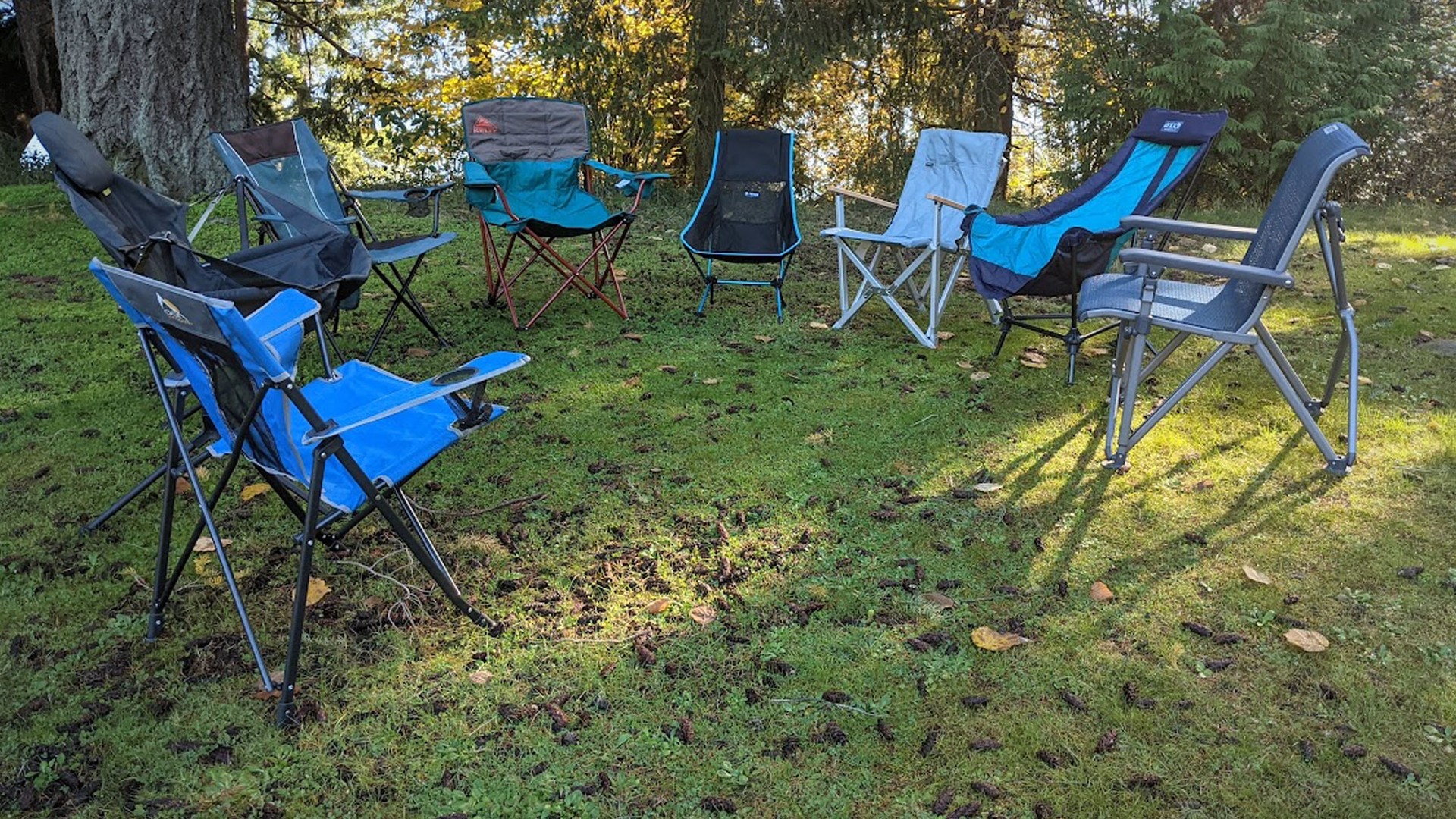
Spring Outdoor Gear Essentials 2026: Fishing, Camping & Turkey Season
Complete spring outdoor gear guide covering coolers, tackle boxes, fishing lures, camping chairs, bug protection, and turkey season essentials. YETI, RTIC, Plano, Thermacell, and more reviewed with prices.
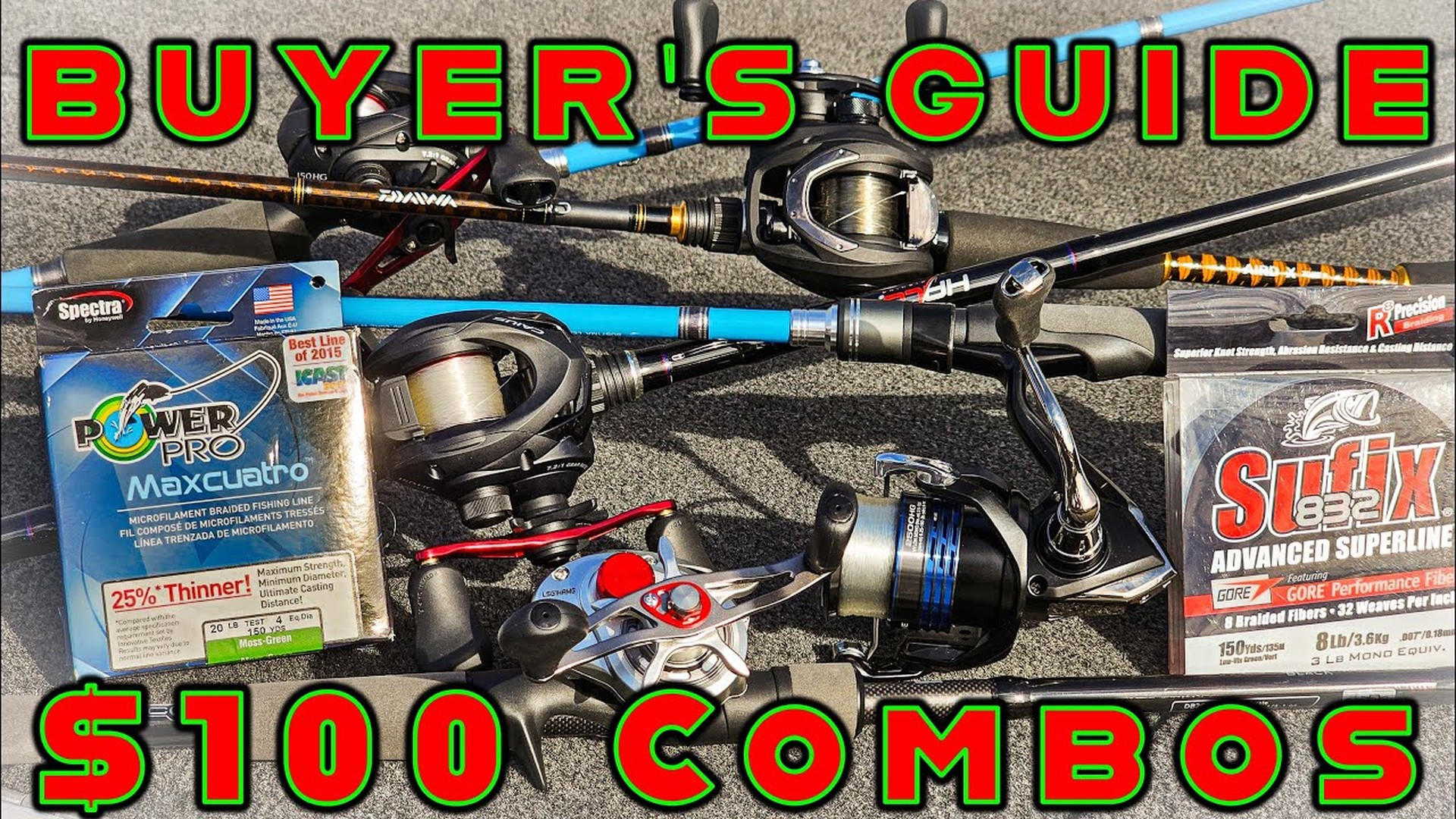
Best Fishing Rod & Reel Combos 2026: Bass, Walleye & Panfish Picks
Expert-tested rod and reel combos from $60 to $500. Shimano, Abu Garcia, St. Croix, Lew's and Daiwa compared. Spinning vs baitcasting, power/action guide, and best combo for every species and technique.
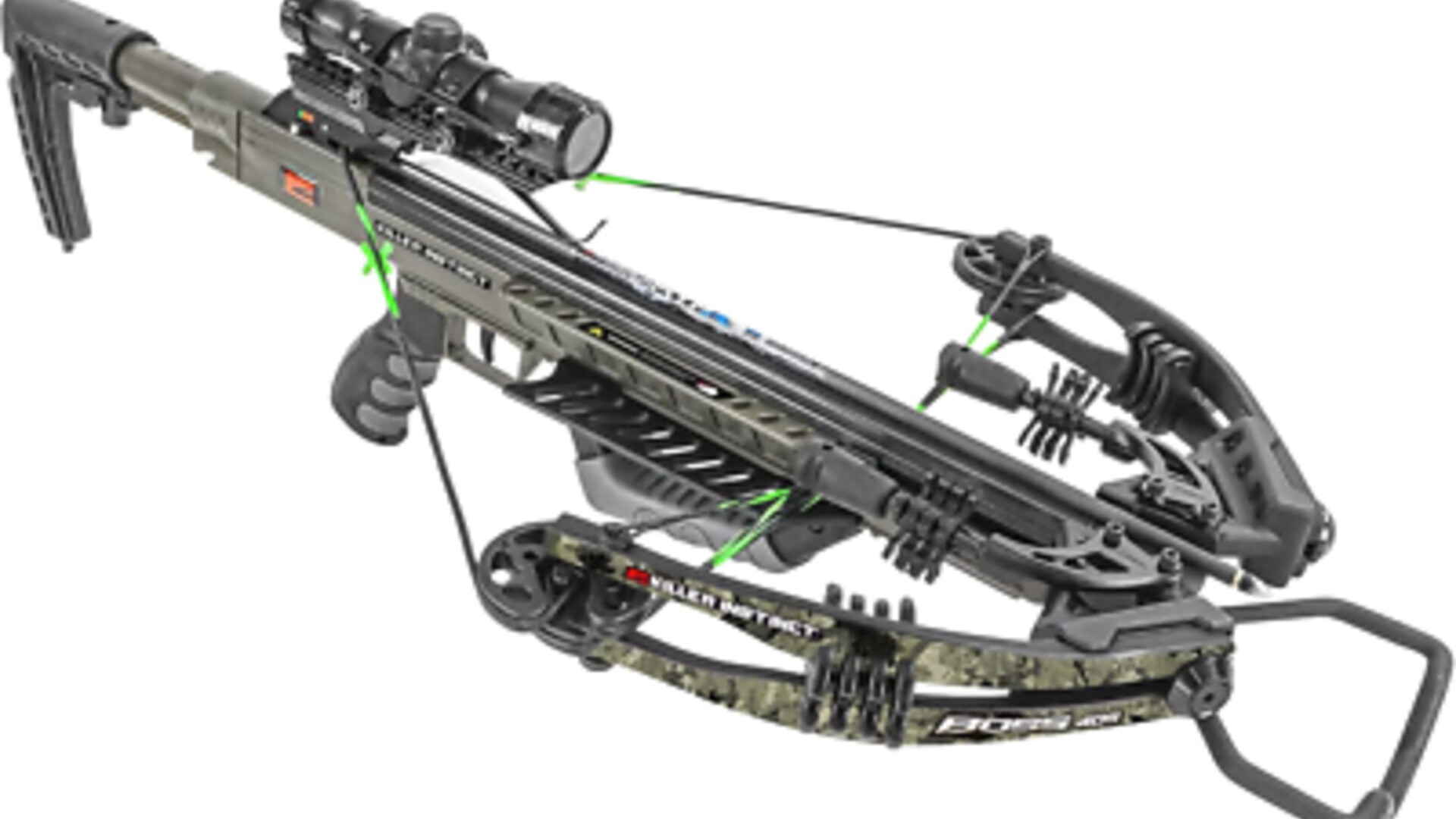
Essential Crossbow Accessories 2026: Complete Setup Guide
Complete guide to crossbow accessories: cocking devices, bolts, scopes, noise dampeners, and targets. TenPoint ACUdraw, Ravin Versa-Draw, Carbon Express bolts, LimbSaver dampeners, and Morrell targets compared.