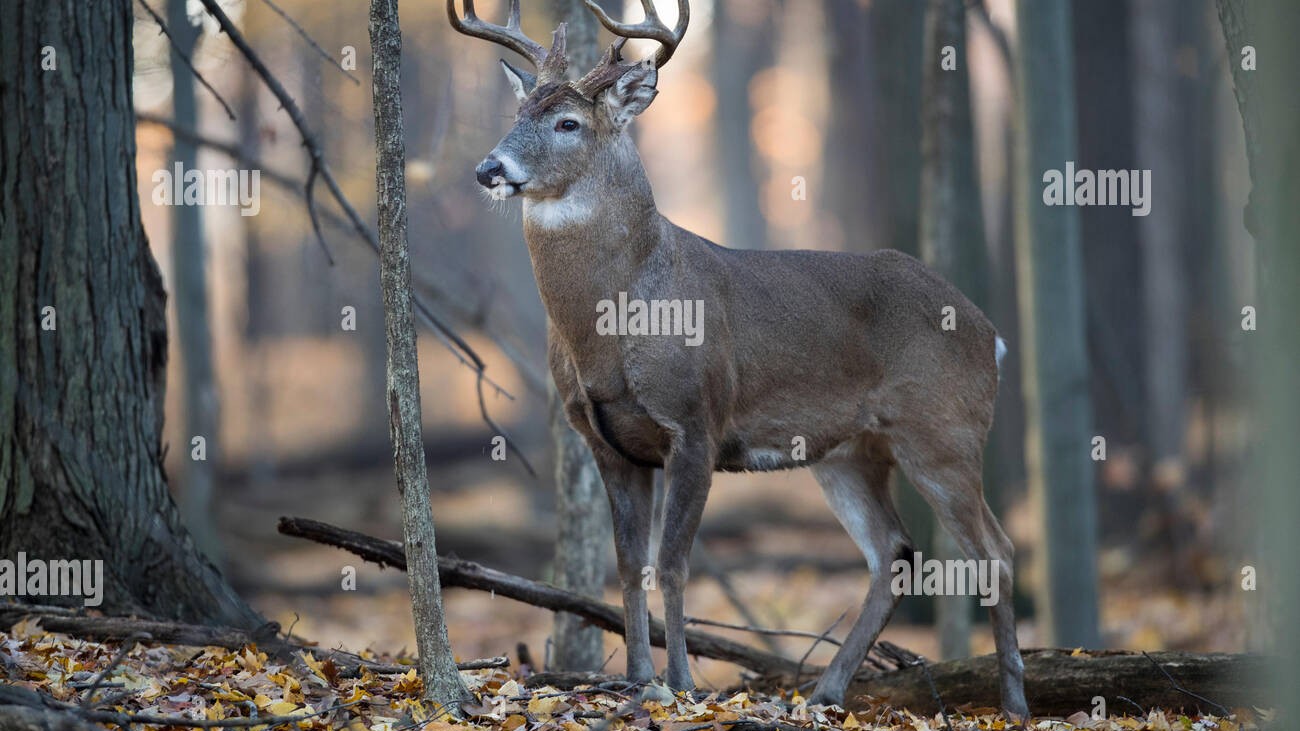
How to Hunt Pressured Deer: Advanced Whitetail Tactics
Affiliate Disclosure: This article contains affiliate links. If you purchase through these links, we may earn a commission at no extra cost to you. This helps support our site and allows us to continue creating in-depth gear reviews. Our recommendations are based on independent testing and research.
A three-year-old buck on heavily hunted land is a fundamentally different animal than his same-age counterpart behind a locked gate. He's survived two or three hunting seasons, dodged dozens of encounters with humans, and developed behavioral patterns specifically designed to avoid predation. Hunting him requires a different playbook.
I've spent the majority of my 52 years in the woods hunting pressured deer—on public land, small private tracts surrounded by neighbors, and club leases with heavy membership. What I've learned is that pressured deer aren't unhuntable. They're just unforgiving of mistakes that less-pressured deer would tolerate.
This guide covers the specific tactics that consistently produce mature bucks in high-pressure environments.
Understanding the Pressured Deer Mindset
What Research Tells Us
GPS collar studies from multiple universities have quantified what experienced hunters have long suspected. Pressured mature bucks shift their behavior in measurable ways:
- Movement timing compresses: Daylight movement drops from 40-60% of total movement to just 10-20%, concentrated in the first and last 20-30 minutes of legal light.
- Home range shrinks: Instead of ranging widely, pressured bucks tighten their core area to thick cover where they feel secure. Annual home ranges on pressured properties average 30-40% smaller than on low-pressure land.
- Travel routes shift: Bucks abandon trails with human scent contamination and create alternative routes through thicker cover, even if those routes are less efficient.
- Bedding becomes strategic: Pressured bucks select bedding locations with escape routes and multiple wind-checking advantages. They often bed with the wind at their back and watch their downwind side visually, covering potential approach angles.
The Two Seasons
On pressured properties, there are effectively two seasons: pre-pressure and post-pressure. Before opening day, deer move relatively freely. Within days of the first hunters hitting the woods, a behavioral switch flips. Pre-season scouting patterns become unreliable, trail camera movement drops dramatically, and the deer you've been watching seem to vanish.
They haven't vanished. They've adapted. Your job is to adapt faster.
Scent Control: The Non-Negotiable
On lightly hunted land, you can get away with mediocre scent control because deer tolerate some human odor as part of their environment. On pressured land, a single molecule of human scent in the wrong place can ruin a hunt and educate a buck for weeks.
The Scent Control System
Effective scent control isn't any single product or technique—it's a layered system that reduces total odor output:
- Clothing storage: Store hunting clothes in sealed containers with natural cover scent (fresh dirt, leaves from your hunting area). Dress at your vehicle, not at home. Never wear hunting boots inside a gas station or restaurant on the way to your stand.
- Body preparation: Shower with scent-free soap the morning of every hunt. Use scent-free deodorant. Avoid strong foods (garlic, onions, coffee) before and during hunts—your body metabolizes these and excretes the odors through sweat and breath.
- Equipment scent: Spray all equipment—stand, sticks, bow, pack—with scent elimination spray. Pay special attention to rubber and metal surfaces that absorb and retain human oils.
- Breath control: Often overlooked, your breath carries enormous scent. Consider a face mask or neck gaiter that helps filter exhaled odors, especially on cold mornings when your breath plumes visibly.
Wind Discipline
All the scent control products in the world don't substitute for wind discipline. On pressured land, I have a hard rule: if the wind isn't right for a stand location, I don't hunt it. Period. No rationalizing, no "it's mostly right," no hoping it holds. Wrong wind equals burned stand location.
This means maintaining multiple stand options for different wind directions. I won't hunt a property unless I have at least three viable setups covering the most common wind patterns. A great stand with a bad wind is worse than a mediocre stand with a perfect wind.
Unconventional Stand Placement
Forget the Trail
On pressured land, the most obvious deer trail between bedding and feeding is the most dangerous place to hunt. Every hunter who's scouted the property has found that trail and set up near it. Mature bucks know it. They'll parallel the trail 50-100 yards downwind, scent-checking it without exposing themselves.
Instead, set up on the parallel route. Look for faint trails through thicker cover that run roughly parallel to the main trail but on the downwind side. These are the routes pressured bucks actually use. The sign will be subtle—occasional tracks, light browsing, a rub here and there—but it's the sign that matters most.
Bed-Adjacent Setups
This is aggressive and risky, but on heavily pressured land, hunting near bedding areas during the rut can be the only way to catch a mature buck in daylight. The logic: pressured bucks that move only 20-30 minutes before dark may only travel 100-200 yards from their bed before shooting light ends. If you're not close to the bed, you never see them during legal hours.
The key is approaching these setups from the opposite side of the bedding area, using terrain and wind to keep your scent away from bedded deer. You need to be in position well before the buck returns to bed in the morning. This often means arriving at your stand two hours before first light.
Terrain-Based Placement
Pressured deer use terrain features for security more than unpressured deer. Focus your setups on:
- Inside corners: Where two cover edges meet at an angle, creating a visual screen that deer use to slip between areas without exposure.
- Leeward ridge points: Points on the leeward side of a ridge where rising thermals bring scent from below, allowing bedded bucks to monitor approach routes.
- Saddles: Low points between ridge peaks where deer cross at the shallowest angle. Mature bucks use saddles because they minimize exposure time on ridgetops.
- Creek junctions: Where two waterways meet, creating a natural terrain funnel. Deer follow waterways for the thick cover and use junction points as travel hubs.
The Access Game
Clean Entry and Exit
On pressured land, how you get to and from your stand matters as much as where the stand is. Every foot of ground you walk through deer habitat is a potential detection point. Every detection point is an opportunity for a mature buck to pattern you.
Develop entry routes that avoid deer travel corridors entirely. This might mean:
- Walking a creek bed for a quarter mile to avoid crossing a ridge trail
- Entering from the upwind edge of the property even if it's a longer walk
- Using a different entry route for morning hunts (approaching from the food-source side, which deer have left) versus evening hunts (approaching from the bedding side, which deer have vacated)
The Observation Sit
Before committing to aggressive stand placement, spend one or two hunts in a low-impact observation stand on the edge of the property. Use this vantage point to watch deer movement patterns after hunting pressure begins. Where do deer appear at last light? Which direction are they coming from? What terrain features do they use?
This observational data is worth more than any pre-season scouting because it shows you how deer actually behave under current pressure conditions, not how they behaved before pressure started.
Rut Tactics for Pressured Bucks
The Pre-Rut Sweet Spot
The pre-rut period—roughly two weeks before peak breeding—is the most vulnerable time for pressured mature bucks. Testosterone is surging, driving them to check scrapes and cruise for does, but breeding activity hasn't started yet. This creates a narrow window where mature bucks increase daylight movement despite their cautious nature.
During this window, focus on scrape lines and leeward ridges where bucks cruise downwind of doe bedding areas. Morning hunts in terrain funnels between bedding areas can intercept cruising bucks covering ground between doe groups.
Lockdown Phase Adjustments
When breeding peaks, pressured bucks go where the does are—and on pressured land, does often concentrate in thick security cover rather than open food sources. Hunt the thick stuff during peak breeding. If you can find an island of thick cover with doe sign surrounded by more open timber, you've found where breeding activity is concentrated.
Post-Rut Recovery
The two weeks after peak breeding are an overlooked opportunity on pressured land. Most hunters have given up or shifted focus. Bucks are exhausted from breeding and need to replenish calories. They become food-focused and slightly less cautious, especially near high-energy food sources like standing corn or brassica plots. The reduced hunting pressure during this period makes deer slightly more visible during daylight hours.
Hunting Pressure as a Weapon
The most counterintuitive tactic for pressured deer is using other hunters' pressure to your advantage. When you know how a property gets hunted—where people enter, where they sit, when they leave—you can predict how deer will react and position yourself accordingly.
The Post-Pressure Window
Most deer hunters leave the woods by 10 AM, heading home for breakfast or football. This creates a predictable mid-morning disturbance pattern: hunters climbing down, walking out, truck doors slamming, engines starting. The 30-60 minutes after this mass exodus triggers a secondary movement period as deer that have been locked in cover feel safe enough to relocate or feed.
If you stay on stand through this window—typically 10 AM to noon—you catch bucks that are impossible to see during prime morning hours.
Small-Drives and Pushes
On small properties with thick cover, a two- or three-person push through a cover block can move pressured bucks that would otherwise never show themselves in daylight. The key is finesse: one slow, quiet walker moving through cover with one or two posters on known escape routes. Heavy-handed drives just push deer off the property entirely.
Technology for Pressured Deer
Trail Cameras: Less Is More
On pressured land, the act of checking trail cameras can do more damage than the cameras are worth. Every trip to check a camera leaves scent, disturbs habitat, and risks bumping deer. Use cellular cameras that transmit photos without requiring retrieval, and place them on the property periphery rather than in core areas where disturbance has the most impact.
Mapping Tools
Digital mapping tools that show topographic detail help identify terrain features that concentrate pressured deer movement. Contour maps reveal saddles, benches, and inside corners that aren't visible from ground level. Aerial imagery shows cover density and transition zones between habitat types.
The Long Game
Hunting pressured deer is fundamentally a game of patience and minimal impact. Every decision should be weighed against the question: "Does this action help me or does it educate deer?" If there's any doubt, choose restraint. The hunter who sits three perfect hunts from three perfect stands will consistently outperform the hunter who sits twenty mediocre hunts from burned locations.
Scent Control for Pressured Deer
Scent control matters on any hunt, but on pressured properties it's the difference between seeing deer and seeing empty woods. Wash all hunting clothing in scent-free detergent, store it in sealed bags with earth-scented wafers, and dress at your vehicle — not inside your house where cooking odors, pet dander, and cleaning products contaminate fabric within minutes. Use a scent-free deodorant and body wash the morning of the hunt. Spray down with scent-eliminator at your vehicle, paying special attention to boots, hat, and gloves — the three items that contact the most surfaces during your approach. On pressured properties, a single scent mistake educates every deer downwind of your position.
Post-Season Scouting Advantage
The most underutilized tactic for pressured deer is aggressive post-season scouting. From January through March, you can walk every inch of a property without consequences — the deer are in survival mode and will forget your intrusion by October. Map every rub line, scrape, bed, trail intersection, and terrain funnel. This boots-on-the-ground intel, combined with aerial imagery and topo maps, creates a complete picture of deer movement that trail cameras alone can't provide. The hunters who dominate pressured properties are the ones who know the landscape better than the deer do.
Pressured bucks are the ultimate test of a deer hunter's skill. They demand discipline in stand access, scent control, wind awareness, and patience that less-pressured hunting doesn't require. When you finally connect with a mature, pressured whitetail, you'll know you earned it in every sense of the word. That's the purest form of fair-chase hunting there is.
Recommended Pressured Deer Gear
Check Price on Amazon →
Check Price on Amazon →
Check Price on Amazon →
Get More Gear Guides
Join 10,000+ hunters and get our free Ultimate Gear Checklist plus weekly reviews delivered to your inbox.
Share this guide:
Related Articles
How to Hunt Public Land Deer: Tactics That Actually Work
Public land deer hunting demands different tactics than private property. Learn proven strategies for scouting, stand placement, and outsmarting pressured whitetails on state and federal land.
How to Scout for Deer: Pre-Season Guide
The best deer hunters start months before opening day. Pre-season scouting is the single most impactful thing you can do to increase your odds. Here's how.
How to Start Deer Hunting: Beginner's Complete Guide
Getting into deer hunting feels overwhelming, but it's simpler than the industry makes it seem. This guide covers everything a beginner needs to go from zero to first hunt.