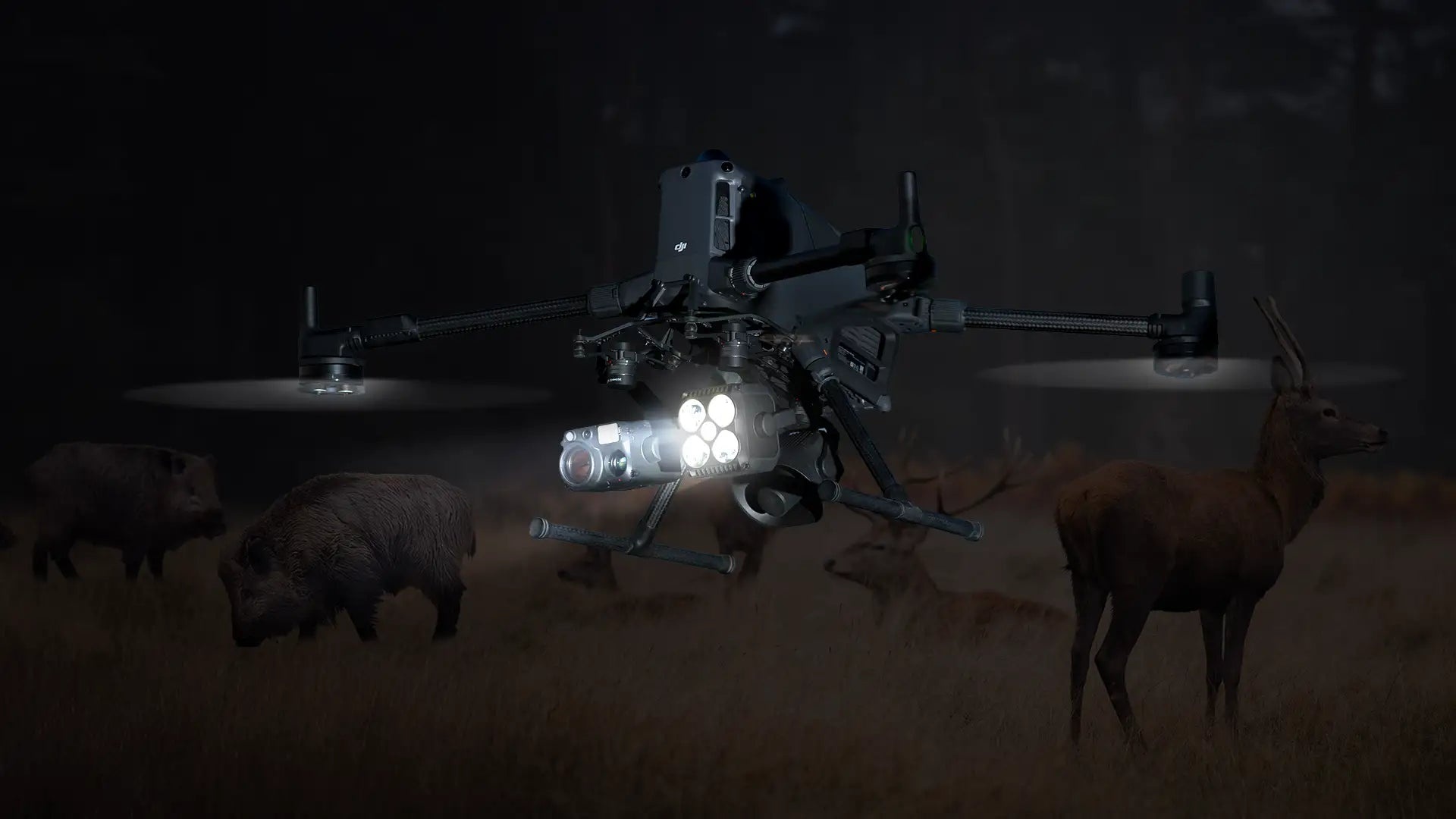
Best Drones for Hunting & Scouting 2026: Aerial Advantage
Affiliate Disclosure: This article contains affiliate links. If you purchase through these links, we may earn a commission at no extra cost to you. This helps support our site and allows us to continue creating in-depth gear reviews. Our recommendations are based on independent testing and research.
A drone is one of the most powerful scouting tools a modern hunter can own — but it's also one of the most misunderstood. Used correctly and legally, a drone lets you map terrain, find hidden water sources, locate bedding areas, check food plot growth, and plan approach routes without spreading your scent across 200 acres. Used incorrectly, it'll get you fined, banned, or both. After three years of flying drones for pre-season scouting and land management, here's everything you need to know about choosing, flying, and actually benefiting from a hunting drone in 2026.
| Drone | Best For | Price | Flight Time | Camera | Weight | Rating |
|---|---|---|---|---|---|---|
| DJI Mini 4 Pro | Best Overall | ~$760 | 34 min | 4K/60fps | 249g | ⭐ 9.5/10 |
| DJI Mavic 3 Classic | Best Camera | ~$1,050 | 46 min | 5.1K/50fps | 895g | ⭐ 9.3/10 |
| Autel EVO Nano+ | Best Value | ~$650 | 28 min | 4K/30fps | 249g | ⭐ 8.8/10 |
| DJI Air 3 | Best Mid-Range | ~$1,100 | 46 min | 4K/100fps | 720g | ⭐ 9.1/10 |
| DJI Mavic 3 Pro | Best Premium | ~$2,200 | 43 min | 5.1K + 3x Zoom | 958g | ⭐ 9.4/10 |
🔗 Check Drone Prices on Amazon
⚠️ Critical Legal Notice
Using drones to locate, scout, or harass game animals during hunting season is illegal in most states. Many states prohibit drone use for scouting within 24-48 hours of hunting. Always check your state's specific drone regulations before flying. The techniques in this article focus on pre-season scouting and land management — legal activities that happen weeks or months before you hunt.
Why Hunters Are Using Drones (And Why You Should Too)
Let's be clear about something: a drone doesn't replace boots on the ground. Nothing replaces walking the terrain, reading sign, and understanding how deer move through your property. But a drone gives you a perspective that's physically impossible to get any other way — a bird's-eye view of your hunting land that reveals terrain features, travel corridors, bedding areas, and food sources that are invisible from ground level.
Here's what changed my mind about hunting drones: I spent three seasons hunting a 160-acre property in Wisconsin without seeing the mature buck I knew lived there. I had trail camera photos. I had rubs and scrapes. But I couldn't figure out how he traveled between his bedding area and the ag fields. One 20-minute drone flight in August showed me a shallow drainage ditch — invisible from ground level but obvious from 200 feet up — that connected his bedding thicket to the standing corn. I moved my stand 80 yards to cover that ditch and killed him opening week of bow season. Three years of guessing, solved by one flight.
Smart hunters use drones for:
- Terrain mapping: Identify ridges, saddles, benches, funnels, and pinch points that concentrate deer movement
- Water source discovery: Find hidden ponds, seeps, and creek crossings invisible from the ground
- Food plot monitoring: Check growth, browse pressure, and plot health without walking through them
- Access route planning: Find the stealthiest paths to your stands by studying terrain from above
- Property boundary mapping: Verify fencelines and boundaries before the season
- Wounded game recovery: Some states allow drone use for locating wounded game (check your state laws)
Detailed Drone Reviews
1. DJI Mini 4 Pro — Best Overall for Hunters
Price: ~$760 | Flight Time: 34 min | Camera: 4K/60fps | Weight: 249g (under FAA limit)
The DJI Mini 4 Pro is our top recommendation for hunters, and the reason is simple: at 249 grams, it falls under the FAA's registration threshold for recreational use (though we recommend registering anyway). It's small enough to fit in your daypack, quiet enough to minimize disturbance, and the 4K camera with 1/1.3-inch sensor captures stunning aerial footage that reveals terrain features you'll miss from the ground.
The obstacle avoidance system is genuinely useful when flying around trees — something you'll do constantly when scouting wooded hunting land. The 34-minute flight time gives you enough battery to thoroughly map a 40-80 acre property in a single flight. With the Fly More Combo ($960), you get three batteries for over 100 minutes of total flight time — enough for even large properties.
I've flown the Mini 4 Pro in winds up to 22 mph (its rated max is 24 mph) and it holds position remarkably well. The ActiveTrack feature is useful for mapping linear features like creek beds and fence lines. The only real weakness is the small sensor struggles in very low light — plan your flights for midday when terrain features cast the most revealing shadows.
Pros: Under 249g (simplified FAA rules), excellent camera, long flight time, omnidirectional obstacle avoidance, fits in any pack
Cons: No thermal camera option, limited in heavy wind, small sensor struggles at dawn/dusk
2. DJI Mavic 3 Classic — Best Camera Quality
Price: ~$1,050 | Flight Time: 46 min | Camera: 5.1K Hasselblad | Weight: 895g
If image quality is your priority — and it should be if you're creating detailed terrain maps or monitoring food plots — the Mavic 3 Classic delivers the best camera in its price range. The 4/3 CMOS Hasselblad sensor captures noticeably more detail than the Mini 4 Pro, especially in shadowed ravines and under heavy canopy where terrain features hide.
The 46-minute flight time is the longest in this roundup, giving you time to thoroughly document even 200+ acre properties. The camera's f/2.8-f/11 adjustable aperture means you can optimize exposure for any lighting condition — critical for pre-dawn or late-evening flights when game patterns are most visible in the landscape.
The Mavic 3 Classic requires FAA registration and Remote ID compliance since it exceeds 250g. For hunters who want serious mapping capability without the $2,200+ price of the Mavic 3 Pro, this is the sweet spot. The footage you capture will be useful for years — I still reference flights from 2024 when planning stand locations.
Pros: Best-in-class camera, 46-min flight time, excellent in variable light, adjustable aperture
Cons: Requires FAA registration, larger/heavier, no zoom lens (Classic version), pricier than Mini series
3. Autel EVO Nano+ — Best Value
Price: ~$650 | Flight Time: 28 min | Camera: 4K/30fps RYYB sensor | Weight: 249g
The Autel EVO Nano+ offers the best value proposition for hunters who want a capable scouting drone without the DJI price premium. At 249g, it shares the Mini 4 Pro's regulatory advantage. The RYYB sensor captures 4x more light information than standard RGB sensors, giving it surprisingly good performance in the golden-hour conditions when wildlife are most visible.
Flight time at 28 minutes is shorter than the DJI options, and the obstacle avoidance is limited to three directions (vs. omnidirectional on the Mini 4 Pro). But the image quality is genuinely good, the controller has a built-in screen (no phone required), and Autel's SkyLink transmission system provides a stable video feed at up to 6.2 miles.
For hunters who want to try drone scouting without a significant investment, the Nano+ delivers 80% of the Mini 4 Pro's capability at 85% of the price. If you find yourself flying regularly, upgrade later — but many hunters find this is all the drone they need.
Pros: Competitive price, RYYB sensor (good low-light), under 249g, built-in controller screen
Cons: Shorter flight time, limited obstacle avoidance, smaller accessory ecosystem than DJI
4. DJI Air 3 — Best Mid-Range
Price: ~$1,100 | Flight Time: 46 min | Camera: Dual 4K/100fps | Weight: 720g
The DJI Air 3 bridges the gap between the Mini series and the Mavic 3 lineup with a dual-camera system that includes a 3x medium telephoto lens. For hunters, that telephoto lens is invaluable — it lets you zoom in on distant terrain features, check food plots from altitude without flying directly over them (less disturbance), and capture detailed images of specific areas like creek crossings or ridge saddles.
With 46 minutes of flight time and O4 video transmission to 12.4 miles, the Air 3 can cover massive properties efficiently. The 4K/100fps slow-motion capability is a bonus for hunters who also want to create content — slow-motion aerial footage of your hunting property makes excellent YouTube content.
Pros: Dual cameras with 3x telephoto, 46-min flight time, excellent transmission range, good obstacle avoidance
Cons: Requires FAA registration, heavier than sub-250g options, no Hasselblad sensor quality of Mavic 3
5. DJI Mavic 3 Pro — Best Premium
Price: ~$2,200 | Flight Time: 43 min | Camera: Triple lens (Hasselblad + 3x + 7x) | Weight: 958g
The Mavic 3 Pro is the ultimate scouting drone — the triple-camera system gives you a Hasselblad wide-angle, a 3x medium telephoto, and a 7x telephoto that can identify individual tree species from 400 feet of altitude. For serious land managers and hunting outfitters who need detailed property documentation, this is the tool.
Is it overkill for the average hunter? Probably. But if you manage multiple properties, guide clients, plan food plots, or create hunting content professionally, the Mavic 3 Pro pays for itself in a season. The 7x zoom lets you inspect distant terrain without repositioning the drone, saving battery and reducing noise disturbance. The Hasselblad sensor produces the sharpest, most color-accurate images available in any consumer drone.
Pros: Triple camera with 7x zoom, Hasselblad image quality, professional-grade mapping, long flight time
Cons: Expensive, heaviest option, requires registration and Remote ID, more drone than most hunters need
Best Drone for Each Hunting Scenario
🎯 Quick Recommendations by Use Case
- Small property scouting (under 80 acres): DJI Mini 4 Pro — lightweight, simple, effective
- Large property mapping (100+ acres): DJI Mavic 3 Classic — 46-min battery, superior camera
- Budget-conscious first drone: Autel EVO Nano+ — capable and affordable
- Food plot monitoring: DJI Air 3 — telephoto zoom for detail without low flyovers
- Professional outfitter/guide: DJI Mavic 3 Pro — triple camera covers every need
- Wounded game recovery: DJI Mini 4 Pro — quick to deploy, maneuverable in timber
Drone Laws for Hunters: What You MUST Know
This is where most hunters get into trouble, so pay attention:
Federal FAA Rules (Apply Everywhere)
- Registration: Drones over 250g must be registered with the FAA ($5 for 3 years). Drones under 250g operated recreationally don't require registration, but we recommend registering anyway.
- Remote ID: As of 2024, all drones must broadcast Remote ID. Most current-model DJI and Autel drones comply via firmware update.
- Altitude: Maximum 400 feet AGL (above ground level) for recreational flights.
- Visual line of sight: You must maintain visual contact with your drone at all times. No flying beyond what your eyes can track.
- National Parks: Drone use is prohibited in all National Parks. Period.
- National Forests: Generally allowed, but check specific wilderness area restrictions.
State Hunting Regulations (Vary Widely)
This is critical: most states prohibit using drones to locate or scout game animals in conjunction with hunting. The specific rules vary:
- Some states ban all drone scouting during hunting season (e.g., Montana, Colorado)
- Some require a 24-48 hour waiting period between drone flight and hunting the area
- Some allow pre-season scouting only — typically before any archery or firearms season opens
- A few states allow drone use for recovering wounded game — check yours specifically
Our recommendation: Use your drone exclusively for pre-season scouting and year-round land management. Fly in July-August for deer hunting intel, well before any season opens. This keeps you legal everywhere and gives you the most useful terrain and habitat data.
How to Scout Hunting Land with a Drone
Having the drone is step one. Knowing what to look for is where the real advantage lies. Here's my systematic approach to drone scouting:
Step 1: The Overview Flight (10 minutes)
Fly to 300-400 feet and slowly traverse your entire property. Record video the entire time. You're looking for the big picture: major terrain features, timber edges, open areas, water sources, and how they connect. Don't try to analyze anything yet — just document.
Step 2: Feature Investigation (15 minutes)
Drop to 100-200 feet and examine the features you identified. Look for saddles between ridges, inside corners of timber, creek crossings with worn banks, benches on hillsides, and thick cover areas that could be bedding. The telephoto zoom (if your drone has it) is invaluable here — you can investigate features without flying directly over them.
Step 3: Trail Mapping (10 minutes)
At 100-150 feet, game trails become visible as thin lines through vegetation. Follow them to identify travel corridors between bedding and feeding areas. Mark these on your mapping app. These trails will be your stand locations.
Step 4: Access Route Planning (5 minutes)
Use your remaining battery to plan how you'll walk to your stands without crossing major travel corridors or disturbing bedding areas. The aerial perspective shows approach routes that are invisible from ground level.
🎬 Video Coming Soon
How to Scout Deer Hunting Land with a Drone — Step-by-Step Field Demo
Drone Accessories Every Hunter Needs
- Extra batteries (2-3 minimum): One battery covers 40-80 acres. Multiple properties need multiple batteries.
- Landing pad: Keeps your drone clean during field launches. A $15 nylon pad saves expensive gimbal repairs from dust and debris.
- ND filters: Reduce glare on water and shiny surfaces. Essential for identifying hidden water sources.
- Hard case: Your drone will ride in a truck bed, ATV rack, and backpack. Protect your $700+ investment.
- Spare propellers: Tree branches and drones don't mix. Carry spares and know how to swap them in the field.
🔗 Shop Drone Accessories on Amazon
Common Mistakes to Avoid
- Flying during hunting season: Even if your state allows it, flying a drone near other hunters is a quick way to lose hunting access and make enemies. Keep drone flights to the off-season.
- Flying too low over bedding areas: Stay above 200 feet over suspected bedding cover. Drones at 100 feet will spook deer and potentially displace them from your property.
- Ignoring wind: Small drones struggle in wind above 15 mph. Check conditions before driving to your property for a scouting flight.
- Not recording video: Always record. You'll see more watching footage on a large screen at home than squinting at a phone screen in the field. Mark timestamps for interesting features.
- Buying too much drone: A $2,200 Mavic 3 Pro won't help a new pilot who crashes it into a tree on flight three. Start with a Mini 4 Pro or Nano+, learn to fly, then upgrade if you need more capability.
Final Verdict
For most hunters, the DJI Mini 4 Pro is the right choice — it's lightweight, capable, and the sub-250g weight simplifies FAA compliance. If you manage large properties or want the best possible image quality for terrain analysis, step up to the Mavic 3 Classic. Budget-conscious hunters should seriously consider the Autel EVO Nano+ as an entry point that delivers real scouting value.
Remember: a drone is a scouting tool, not a shortcut. The hunters who benefit most from drones are the ones who already understand deer behavior, terrain features, and stand placement strategy. The drone just shows you things faster and from a perspective you can't get any other way. Combine drone footage with trail camera data, on-the-ground scouting, and 52 years of woodsmanship, and you've got an unfair advantage that's completely legal.
Get More Gear Guides
Join 10,000+ hunters and get our free Ultimate Gear Checklist plus weekly reviews delivered to your inbox.
Share this guide:
Related Articles
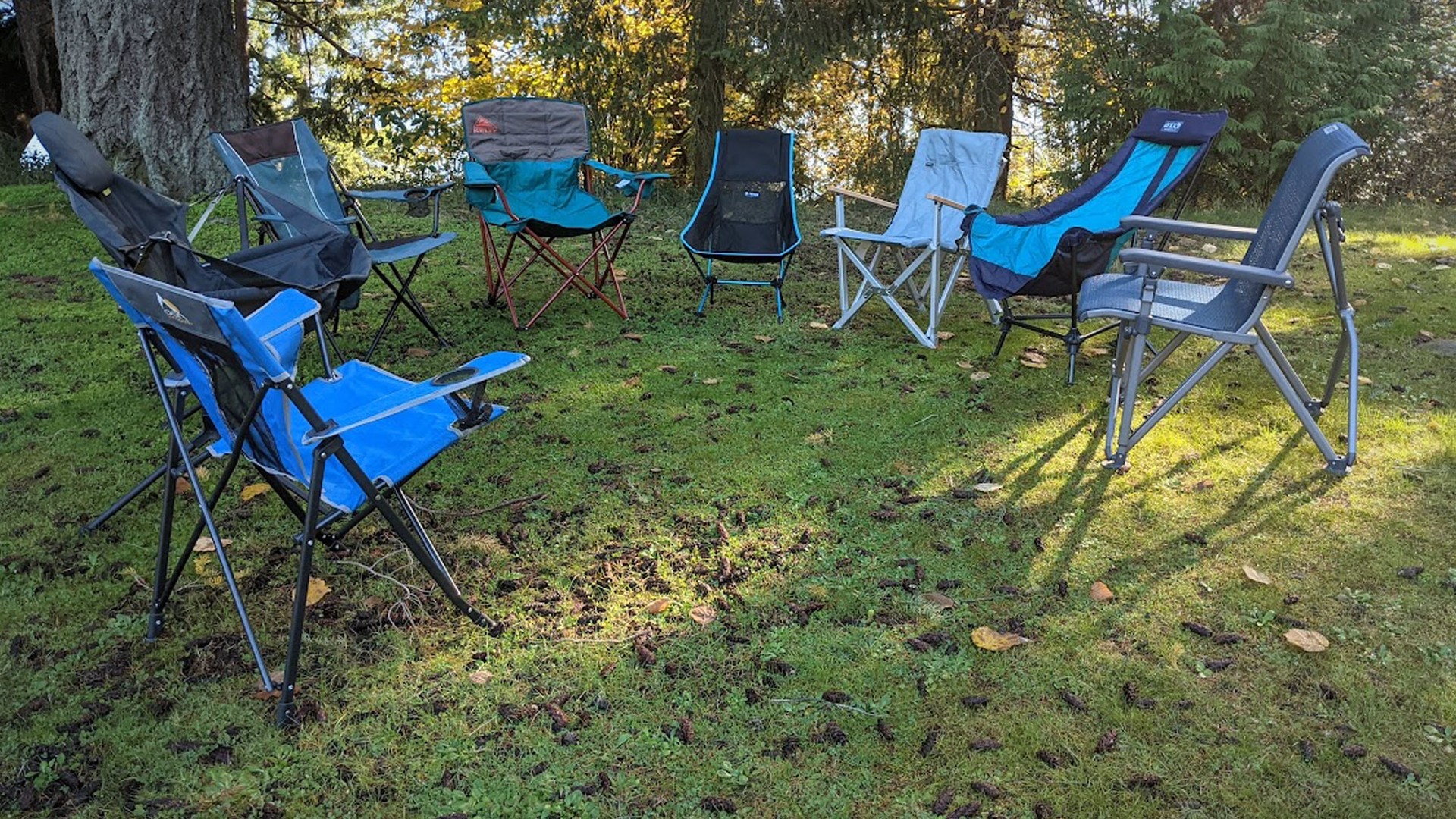
Spring Outdoor Gear Essentials 2026: Fishing, Camping & Turkey Season
Complete spring outdoor gear guide covering coolers, tackle boxes, fishing lures, camping chairs, bug protection, and turkey season essentials. YETI, RTIC, Plano, Thermacell, and more reviewed with prices.
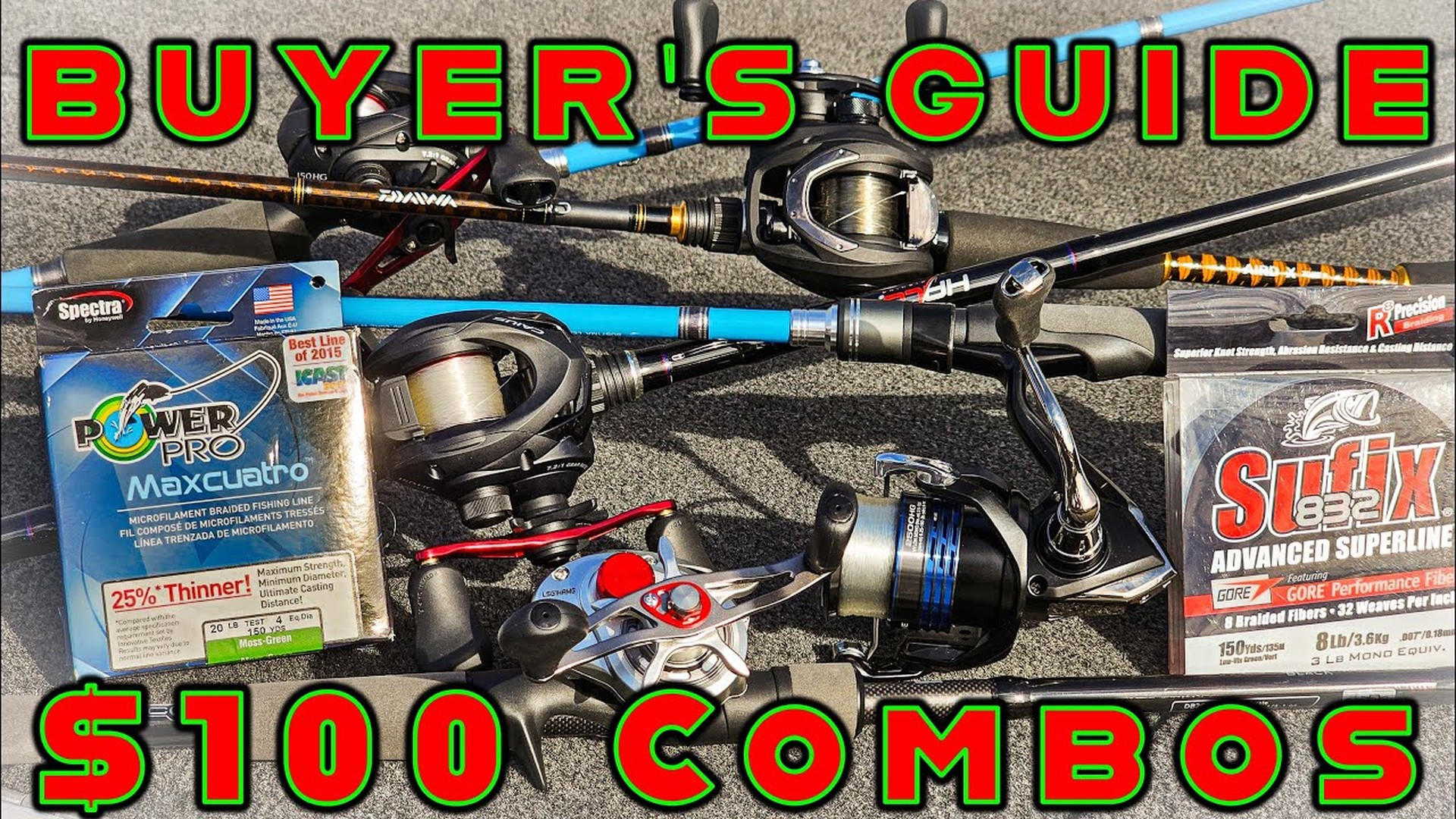
Best Fishing Rod & Reel Combos 2026: Bass, Walleye & Panfish Picks
Expert-tested rod and reel combos from $60 to $500. Shimano, Abu Garcia, St. Croix, Lew's and Daiwa compared. Spinning vs baitcasting, power/action guide, and best combo for every species and technique.
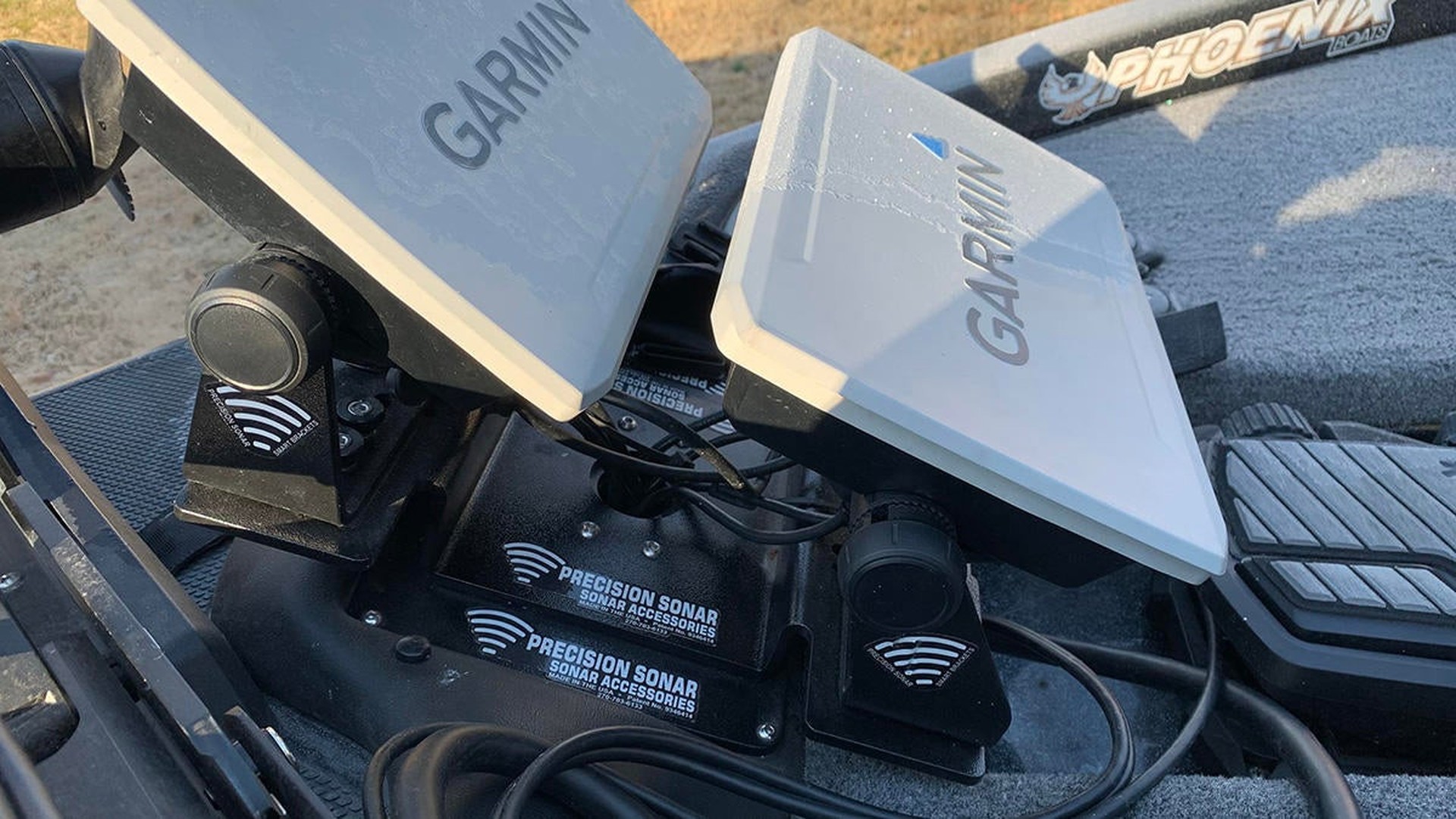
Best Fish Finders for 2026: Sonar, GPS & Live Imaging Compared
Expert-tested fish finder reviews from $200 to $2,000+. Garmin ECHOMAP, Lowrance HOOK, Humminbird HELIX compared. Sonar types explained, GPS mapping, live imaging technology & installation guide for kayak, bass boat & ice fishing.