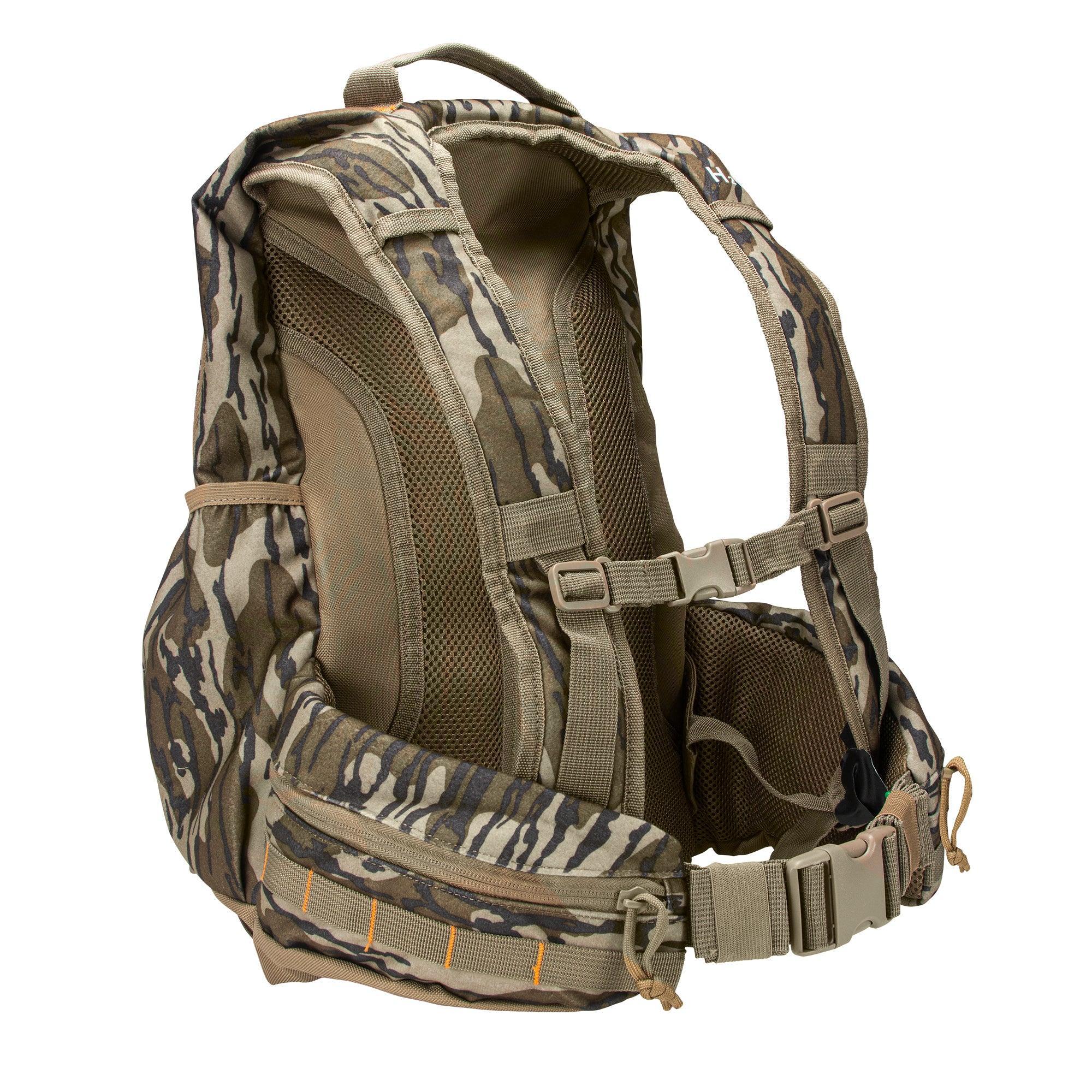
Best Hunting Backpacks 2026: Complete Buyer's Guide
Affiliate Disclosure: This article contains affiliate links. If you purchase through these links, we may earn a commission at no extra cost to you. This helps support our site and allows us to continue creating in-depth gear reviews. Our recommendations are based on independent testing and research.
Choosing the right hunting backpack can make or break your time in the field. After testing over 20 different packs across three hunting seasons, we've identified the best hunting backpacks for 2026 that deliver on durability, comfort, and functionality.
A hunting pack isn't just something to carry your gear in — it's the system that lets you access remote terrain, pack out meat, stay organized in the dark, and hunt longer without fatigue. The wrong pack rubs your shoulders raw, shifts weight to your lower back, and makes every mile feel like three. The right pack disappears on your body and lets you focus on the hunt.
We tested each pack on multi-day hunts across varying terrain — from Appalachian whitetail ridges to Western mule deer canyons — evaluating them on real-world criteria that matter to serious hunters.
What to Look for in a Hunting Backpack
Frame Type and Load Transfer
Internal frame packs dominate the hunting market because they transfer heavy loads to your hips while keeping the pack close to your body for stability on uneven terrain. The frame — usually aluminum stays or a carbon fiber sheet — bridges the gap between shoulder straps and hip belt, channeling weight where your skeleton can support it rather than where your muscles have to fight it.
Frameless packs save weight but sacrifice load-carrying ability. They work for day hunts under 20 pounds but become torture devices when loaded with meat. If there's any chance you'll pack out game, choose a framed pack.
Capacity: How Much Pack Do You Need?
Pack capacity is measured in cubic inches or liters. Here's a practical guide:
- Day packs (1,500-2,500 ci / 25-40L): Half-day to full-day hunts from a base camp. Carries essentials — water, food, layers, ammo, optics, first aid. Won't handle a full quarter of meat.
- Overnight packs (2,500-4,000 ci / 40-65L): Multi-day hunts with lightweight camping gear. Can handle deboned meat from a deer or the front quarters of an elk with compression straps.
- Expedition packs (4,000-7,000 ci / 65-115L): Extended backcountry trips and full meat-hauling capability. These carry everything including camp, and can haul a full elk quarter bone-in.
Most hunters benefit from owning two packs: a day pack for sits and short hunts, and a larger pack for backcountry trips and meat hauling. Trying to use one pack for everything means compromises in both directions.
Weight vs. Durability
Ultralight packs under 3 pounds use thinner fabrics (210D-330D nylon) that sacrifice puncture resistance. Heavy-duty packs at 5-7 pounds use 500D-1000D fabrics that laugh at brush and rocks but add weight you carry every step. For most hunters, the sweet spot is a 3.5-5 pound pack in 500D fabric — tough enough for real conditions, light enough for long approaches.
Best Hunting Backpacks for 2026
Best Overall: Mystery Ranch Pop Up 38
The Pop Up 38 does everything well and nothing poorly. At 38 liters (approximately 2,300 cubic inches), it handles day hunts comfortably and can stretch to overnight trips if you pack efficiently. Mystery Ranch's proprietary NICE frame transfers loads beautifully — I packed out 45 pounds of boned-out venison and barely felt the weight shift on steep downhills.
The tri-zip opening provides complete access to the main compartment without digging through layers of gear. Side pockets accommodate water bottles or a spotting scope. The built-in rifle/bow carrying system actually works, unlike the afterthought straps on many competitors.
Weight: 4 lbs 2 oz
Fabric: 500D Cordura
Frame: NICE frame system
Price: $295-335
Best Budget: Alps OutdoorZ Pursuit
The Pursuit proves you don't need to spend $300+ for a functional hunting pack. At under $100, it delivers surprisingly good load transfer through a basic aluminum frame, genuine Mossy Oak camo, and enough organizational pockets to keep gear accessible. The 2,700 cubic inch capacity handles day hunts and light overnights.
The trade-offs are predictable at this price point: the hip belt padding compresses after a season of heavy use, the zippers are adequate but not buttery smooth, and the 600D polyester fabric snags on thorns more easily than premium nylon. But for a hunter building their kit on a budget, the Pursuit delivers legitimate performance.
Weight: 4 lbs 8 oz
Fabric: 600D polyester
Frame: Aluminum stays
Price: $80-100
Best for Elk/Big Game: Stone Glacier Sky 5900
When you're packing out an elk quarter bone-in — 80-100+ pounds — you need a pack designed for that specific punishment. The Sky 5900's Krux frame is the best load-hauling system in the hunting industry. Period. At max capacity (5,900 cubic inches), it swallows a full camp setup or two deboned quarters with room for your rifle.
The frame transfers weight so efficiently that 80-pound loads feel like 50. The hip belt wings wrap your pelvis completely, distributing force across the widest possible surface area. On a pack-out where I carried 95 pounds of elk meat three miles down a mountain, the Stone Glacier was the difference between a hard hike and a potential injury.
Weight: 5 lbs 14 oz (with frame and lid)
Fabric: Ultra 200 (proprietary ultra-high-molecular-weight PE)
Frame: Krux carbon/aluminum
Price: $485-550
Best Lightweight: Kuiu Pro 3000
At 2 lbs 15 oz with frame, the Pro 3000 is the lightest framed hunting pack worth recommending. Kuiu achieved this through their proprietary Primaflex fabric that's both lighter and stronger than conventional nylon at equivalent weights. The frame is minimalist but effective for loads up to 50 pounds.
This is the ideal pack for mobile whitetail hunters and saddle hunters who want frame support without the weight penalty. The 3,000 cubic inch capacity handles day-hunt essentials plus a deboned deer's worth of meat for the pack-out.
Weight: 2 lbs 15 oz
Fabric: Primaflex 340D
Frame: Ultralight aluminum
Price: $349-399
Best for Treestand Hunters: Badlands Superday
Treestand hunters need a pack that's quiet, compact enough to hang on a hook, and organized for all-day sits. The Superday excels at all three. The brushed tricot fabric is dead silent against tree bark and clothing. At 1,950 cubic inches, it carries everything for a dawn-to-dusk sit without being so bulky it interferes with drawing a bow.
The integrated rain cover deploys in seconds — critical when you're 20 feet up a tree and a squall line rolls in. Multiple zippered compartments keep calls, snacks, rangefinder, and extra layers organized and accessible without standing up and alerting every deer within 200 yards.
Weight: 3 lbs 4 oz
Fabric: KXO-32 with Armor-Tex
Frame: Frameless
Price: $159-189
How to Fit a Hunting Pack
A $500 pack fitted wrong performs worse than a $100 pack fitted right. Here's how to dial in the fit:
- Measure your torso: From the C7 vertebra (the bump at the base of your neck) to the iliac crest (top of your hip bones). This determines frame size, not your overall height.
- Load the pack: Put 20-30 pounds in the pack before adjusting. An empty pack fits differently than a loaded one.
- Set the hip belt first: The hip belt should wrap the top of your hip bones — the iliac crest. If it sits on your belly or on your upper thighs, the torso length is wrong.
- Adjust shoulder straps: Tighten until the straps wrap your shoulders without gaps, but don't overtighten — the hip belt should carry 70-80% of the weight, not the shoulders.
- Fine-tune load lifters: The straps running from the top of the shoulder straps to the pack body should angle backward at about 45 degrees. These pull the pack's center of gravity closer to your back.
Pack Care and Maintenance
A quality hunting pack lasts 10+ years with basic care:
- After every hunt: Empty completely, shake out debris, and air dry with all zippers open. Blood and meat residue attract mice and create permanent odors.
- Monthly during season: Wipe interior with a damp cloth. Check zippers for grit and lubricate with zipper wax if they feel sticky.
- Annual deep clean: Hand wash with scent-free sport detergent. Never machine wash — it damages frame stays and buckles. Air dry completely before storage.
- Storage: Store loosely stuffed (not compressed) in a breathable bag in a dry location. Compression during storage permanently deforms foam padding.
Where to Buy These Packs
Check Price on Amazon →
Check Price on Amazon →
Check Price on Amazon →
Final Thoughts
Your hunting pack is one of the few pieces of gear you use on literally every hunt. It's worth investing in quality and taking the time to find the right fit. The Mystery Ranch Pop Up 38 is our top overall pick for its versatility and build quality, but every pack on this list has earned its place through real-world testing. Match the pack to your primary hunting style — treestand, backcountry, or day-hunt mobile — and you'll have a piece of gear that serves you for a decade or more.
Packing Your Hunting Backpack: Organization Tips
How you load your pack matters almost as much as which pack you choose. A well-organized pack means you can access gear quickly and quietly — both critical when a deer appears at an unexpected moment.
The Noise Rule
Anything that can clank, rattle, or rustle needs to be secured. Metal on metal — like a rangefinder against a knife handle — creates sounds that carry hundreds of yards in quiet woods. Pack metal objects in separate compartments or wrap them in a fleece gaiter. Test your loaded pack by shaking it gently. If you hear anything, reorganize until silence is achieved.
Accessibility Hierarchy
Items you need most often should be most accessible. Your rangefinder, calls, and snacks should be in exterior pockets or the top of the main compartment. Rain gear and extra layers go in the middle — needed occasionally but not constantly. Heavy, rarely-needed items like game bags, drag ropes, and processing tools go at the bottom of the pack, closest to your back where their weight is most efficiently carried.
Weight Distribution
Heavy items should sit between your shoulder blades and as close to your back as possible. This keeps the pack's center of gravity close to your body's center of gravity, improving balance on uneven terrain. Lighter items go toward the outside and bottom of the pack. An improperly loaded pack pulls you backward on climbs and shifts unpredictably on side-hills.
The Meat-Hauling Configuration
If there's any chance you'll pack out meat, understand your pack's load-hauling features before you need them. Many hunting packs include external lash points, a load shelf, or a dedicated meat compartment. Know how to compress your gear to make room for 30-60 pounds of boned-out meat, and practice loading the pack heavy before your hunt so the system is familiar when you're exhausted and racing daylight after a successful harvest.
Season-Specific Loadout Adjustments
Your pack contents should shift with the calendar. Early-season hunts demand insect repellent, lightweight hydration, and a compact fan or Thermacell unit. The October transition period calls for layering options — a fleece pullover and a rain shell should always make the cut. November rut hunts require rattling antlers, multiple calls, and extra scent-control gear because you'll be sitting longer. Late-season packs get heavier: hand warmers, thermos, extra insulation layers, and high-calorie food become non-negotiable when wind chills drop below zero.
Water and Nutrition Strategy
Dehydration kills more hunts than bad luck. Carry at minimum 1.5 liters of water for a half-day sit and 3 liters for all-day hunts. A hydration bladder with an insulated tube prevents freezing in cold weather and allows silent drinking without movement. For food, choose high-fat, high-protein options that don't crinkle: jerky, cheese sticks, nuts, and peanut butter packets. Avoid candy bars and chips — the wrappers announce your presence to every deer within earshot. Pack food the night before in silent zip-lock bags, not original packaging.
Emergency Essentials
Every hunting pack should carry a compact emergency kit regardless of how close you are to the truck: fire-starting materials (lighter and cotton balls with petroleum jelly), a small LED flashlight backup, 20 feet of paracord, basic first-aid supplies (gauze, tape, tourniquet), and a charged cell phone in a waterproof case. Hypothermia, falls from treestands, and lacerations from broadheads are real risks that a small kit addresses without adding significant weight.
A properly organized pack becomes an extension of your hunting system — everything accessible, nothing noisy, weight distributed for comfort on long carries. Invest the time to develop a consistent packing routine, and your time in the field will be more productive and more comfortable.
Get More Gear Guides
Join 10,000+ hunters and get our free Ultimate Gear Checklist plus weekly reviews delivered to your inbox.
Share this guide:
Related Articles
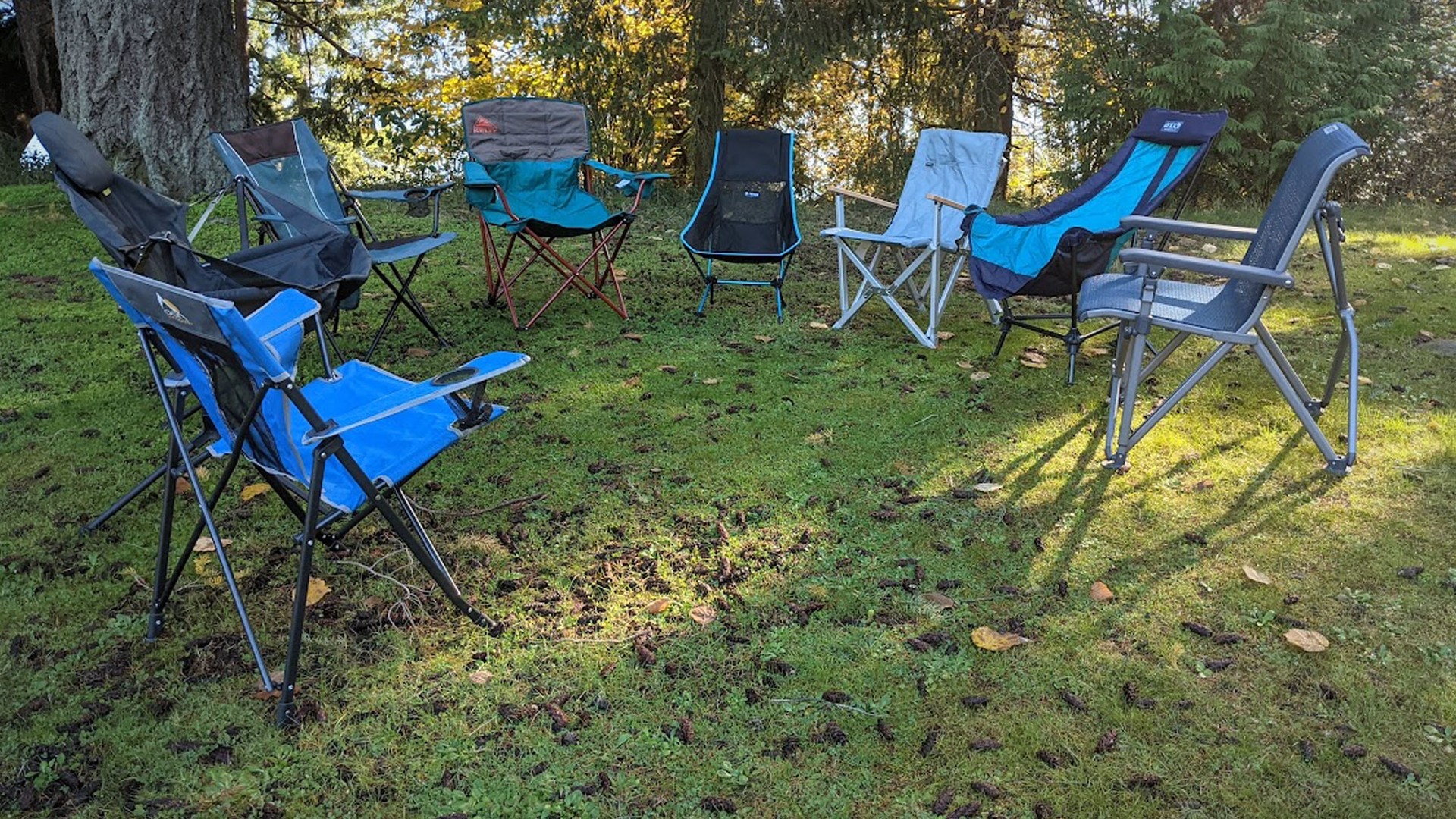
Spring Outdoor Gear Essentials 2026: Fishing, Camping & Turkey Season
Complete spring outdoor gear guide covering coolers, tackle boxes, fishing lures, camping chairs, bug protection, and turkey season essentials. YETI, RTIC, Plano, Thermacell, and more reviewed with prices.
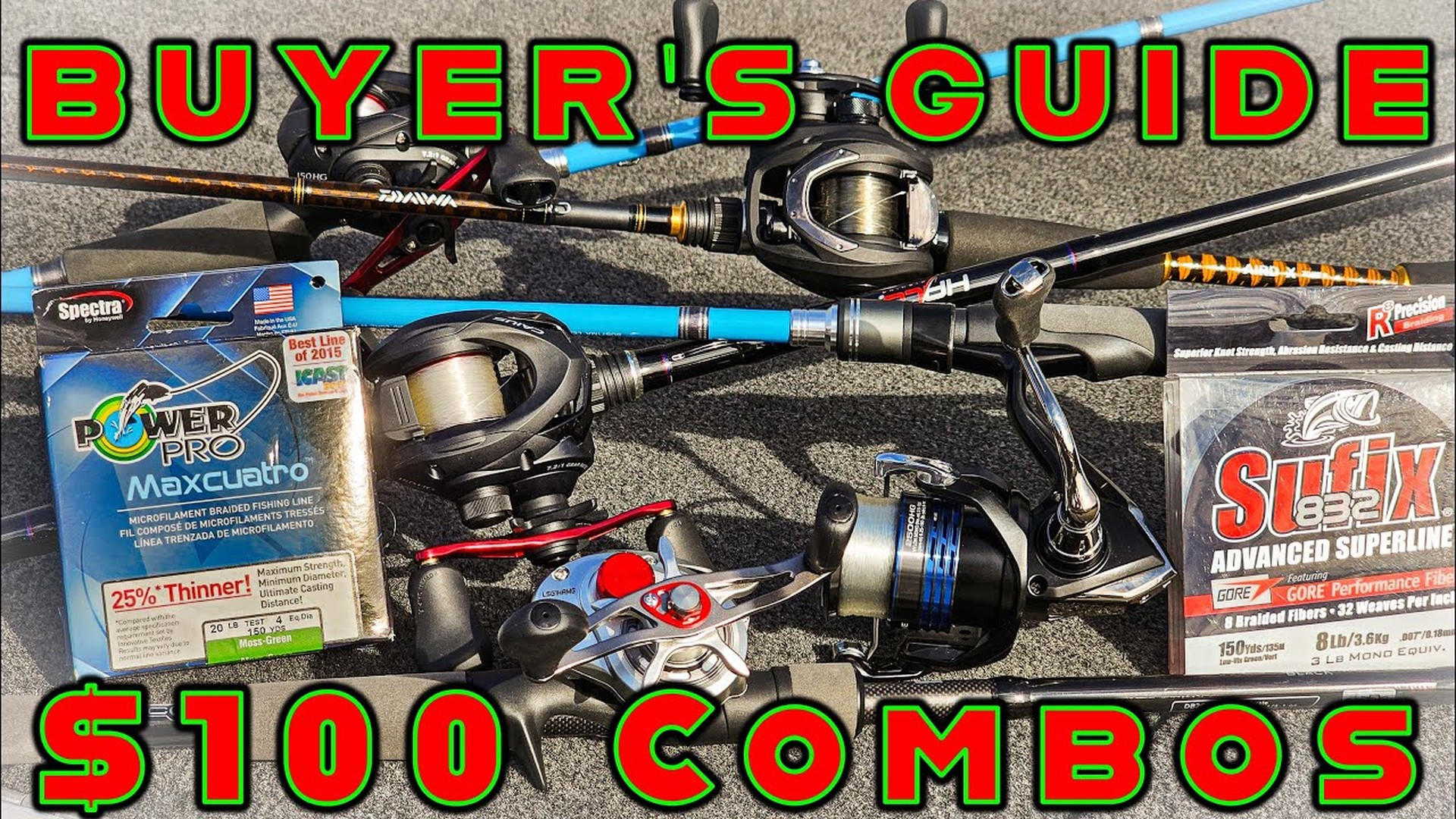
Best Fishing Rod & Reel Combos 2026: Bass, Walleye & Panfish Picks
Expert-tested rod and reel combos from $60 to $500. Shimano, Abu Garcia, St. Croix, Lew's and Daiwa compared. Spinning vs baitcasting, power/action guide, and best combo for every species and technique.
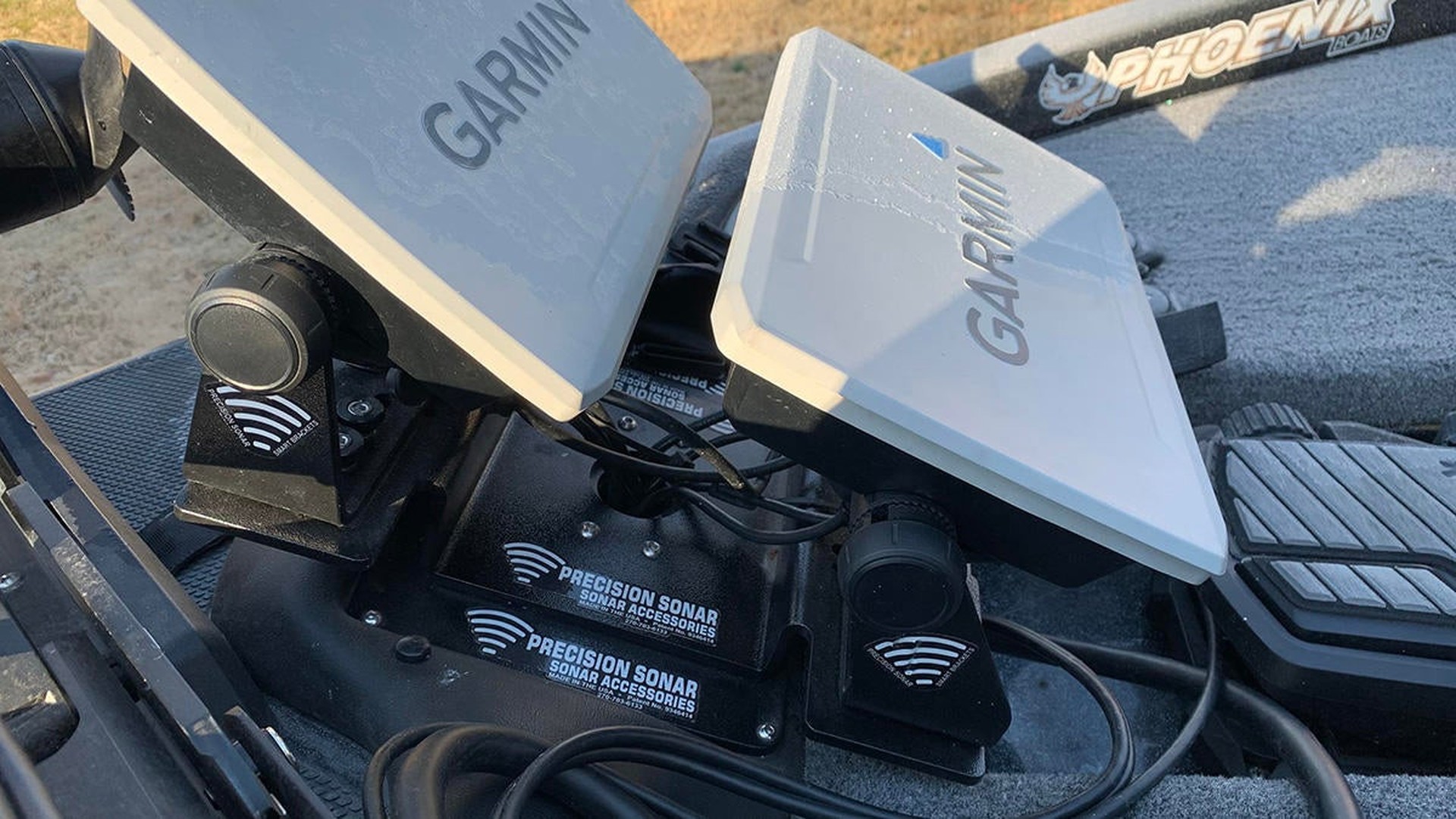
Best Fish Finders for 2026: Sonar, GPS & Live Imaging Compared
Expert-tested fish finder reviews from $200 to $2,000+. Garmin ECHOMAP, Lowrance HOOK, Humminbird HELIX compared. Sonar types explained, GPS mapping, live imaging technology & installation guide for kayak, bass boat & ice fishing.