Best Hunting Blinds 2026: Ground Blind Buyer's Guide
Affiliate Disclosure: This article contains affiliate links. If you purchase through these links, we may earn a commission at no extra cost to you. This helps support our site and allows us to continue creating in-depth gear reviews. Our recommendations are based on independent testing and research.
Ground blinds have transformed how we hunt. Whether you're introducing a kid to deer hunting, sitting over a turkey decoy spread, or hunting property where tree stands aren't an option, a quality ground blind puts you in the game with full concealment and weather protection. After testing 7 ground blinds across three seasons of deer and turkey hunting, here are the best hunting blinds for 2026.
Why Hunt from a Ground Blind?
Ground blinds solve problems that tree stands can't. They provide complete concealment of your movement — critical for bowhunters who need to draw without being detected. They block wind, rain, and snow, keeping you comfortable during all-day sits. They're accessible for hunters with mobility limitations, young hunters, and anyone who prefers not to be 20 feet up a tree in the dark.
The scent-control advantage is often overlooked. A properly set up ground blind contains your scent better than an open tree stand because the enclosed walls limit scent dispersal. Combined with a scent-elimination routine, a ground blind can make you nearly invisible to a deer's nose at short range.
The main disadvantage is reduced sight distance. From a tree stand, you can see 360 degrees over brush and terrain. From a ground blind, your view is limited to your shooting windows. This makes blind placement and preparation critical — more on that below.
Our Top Picks
Quick Recommendations
- Best Overall: Primos Double Bull SurroundView — Revolutionary see-through walls
- Best Value: Ameristep Care Taker — Proven performer at a budget price
- Best for Turkey: Primos Double Bull SurroundView 360 — Full visibility for gobbler hunting
- Best Hub Blind: Barronett Big Mike — Maximum interior space for 2-3 hunters
- Best Portable: Rhino Blinds R-75 — Quick setup, lightweight, versatile
Detailed Reviews
1. Primos Double Bull SurroundView — Best Overall
Price: ~$400-500 | Weight: 22 lbs | Dimensions: 60"x60"x70" | Setup: Hub-style, 60 seconds
The SurroundView changed ground blind hunting. Instead of standard black mesh windows that limit visibility, the SurroundView uses a one-way see-through material on the walls that lets you see out in every direction while remaining concealed from the outside. It's like hunting in a two-way mirror — you can see everything around you, but game sees only a dark, opaque wall.
In the field, this technology is as good as it sounds. During a November whitetail sit, I watched a doe approach from my left, feed for 10 minutes, and pass behind the blind — all without opening a single window or adjusting my position. With a traditional blind, I would have lost sight of her the moment she moved beyond my window and likely spooked her trying to reposition.
For turkey hunting, SurroundView is a genuine game-changer. Turkeys approach from unpredictable directions, and being able to see 360 degrees means you can track a gobbler from first appearance to shooting range without fumbling with windows.
The blind itself is well-built: the hub frame sets up in under 60 seconds, the fabric is durable and quiet, and the blackout interior (critical for concealment) is effective. Multiple shooting windows with silent closures let you choose your shot direction based on where game approaches.
Cons: The premium price ($400-500) puts it out of reach for casual hunters. The SurroundView material can be harder to see through in very low light — in the last 10 minutes of legal shooting, traditional mesh windows actually provide slightly better visibility. Interior space is adequate for one hunter with gear but tight for two adults.
2. Ameristep Care Taker — Best Value
Price: ~$80-120 | Weight: 11 lbs | Dimensions: 66"x66"x69" | Setup: Hub-style, 90 seconds
The Care Taker has been a bestselling ground blind for years, and the current generation maintains the formula that made it popular: adequate size, easy setup, effective concealment, and a price that doesn't require a second mortgage.
At $80-120, the Care Taker costs less than many tree stand setups. It sets up in 90 seconds with the spring-loaded hub frame, packs down to a manageable carry bag, and provides comfortable space for one adult hunter with gear. The Durashell Plus fabric resists water and wind adequately (it's not fully waterproof, but it handles rain showers), and the shoot-through mesh on the windows is dark enough for effective concealment.
We used the Care Taker for two full turkey seasons and one deer season. It survived 30+ setups without frame failure, kept us dry through several rain events, and concealed our movement well enough to arrow two turkeys and observe whitetails at distances under 20 yards. For a sub-$100 blind, that's excellent performance.
Cons: The fabric is noticeably thinner than premium blinds — strong wind gusts flex the walls, and the blind provides less warmth retention in cold weather. The zippers are the weakest link; one zipper pull broke on our test unit after about 20 uses. And the interior lacks the full blackout coating of premium blinds, meaning your silhouette is slightly more visible against the walls in bright conditions.
3. Barronett Big Mike — Best Hub Blind for Multiple Hunters
Price: ~$250-350 | Weight: 28 lbs | Dimensions: 80"x80"x82" | Setup: Hub-style, 90 seconds
If you hunt with a partner, a young hunter, or a cameraman, the Big Mike's 80x80-inch footprint provides enough space for two adults to sit, move, and shoot comfortably without interference. The 82-inch peak height means most hunters can stand upright, which reduces fatigue during long sits and makes drawing a bow significantly easier.
The Big Mike's Bloodtrail camo pattern is one of the most effective ground blind patterns we've seen — it blends into brushy edges and timber remarkably well. The full blackout interior coating keeps you invisible even when windows are open, and the reinforced hub frame handles wind better than lighter competitors.
We tested the Big Mike primarily as a youth hunting blind, pairing an adult mentor with a young hunter. The extra space was invaluable — the young hunter could move, fidget, snack, and get comfortable without bumping into the adult or creating visible movement through the blind walls. For introducing new hunters to the sport, a spacious blind like the Big Mike removes one of the biggest barriers: the requirement to sit perfectly still.
Cons: At 28 pounds and with an 80-inch footprint, the Big Mike is not a mobile blind. Setting it up requires clearing a large area, and transporting it any distance from a vehicle requires a cart or a strong back. The large silhouette also takes longer for deer to accept — plan to set it up at least 2 weeks before hunting.
4. Rhino Blinds R-75 — Best Portable
Price: ~$100-130 | Weight: 9 lbs | Dimensions: 75"x75"x66" | Setup: Pop-up, 30 seconds
The R-75 is the blind you throw in the truck "just in case." At 9 pounds, it's light enough to carry to a field edge on short notice. The pop-up design deploys in 30 seconds flat — pull it from the bag, pop it open, and stake it down. For turkey hunting where you might reposition multiple times in a morning, this speed is a real advantage.
The trade-off for portability is durability and features. The R-75's fabric is thinner than hub-style blinds, the frame has more flex in wind, and the interior lacks full blackout coating. But for a grab-and-go blind that deploys in seconds and weighs nothing, these compromises are acceptable.
Cons: Less durable than hub-style blinds. Not ideal for all-day sits in cold weather due to thinner fabric. The pop-up design can be finicky to repack until you learn the folding technique. Interior height (66 inches) means most adults can't stand fully upright.
Ground Blind Setup Tips
Set Up Early
The single most important factor in ground blind success is time. Deer treat a new blind as a foreign object and will avoid it for days or weeks. Set your blind up at least 2 weeks before you plan to hunt from it. Brush it in with natural vegetation, leave the windows open to allow airflow (reducing trapped human scent), and let wildlife acclimate.
Brushing In
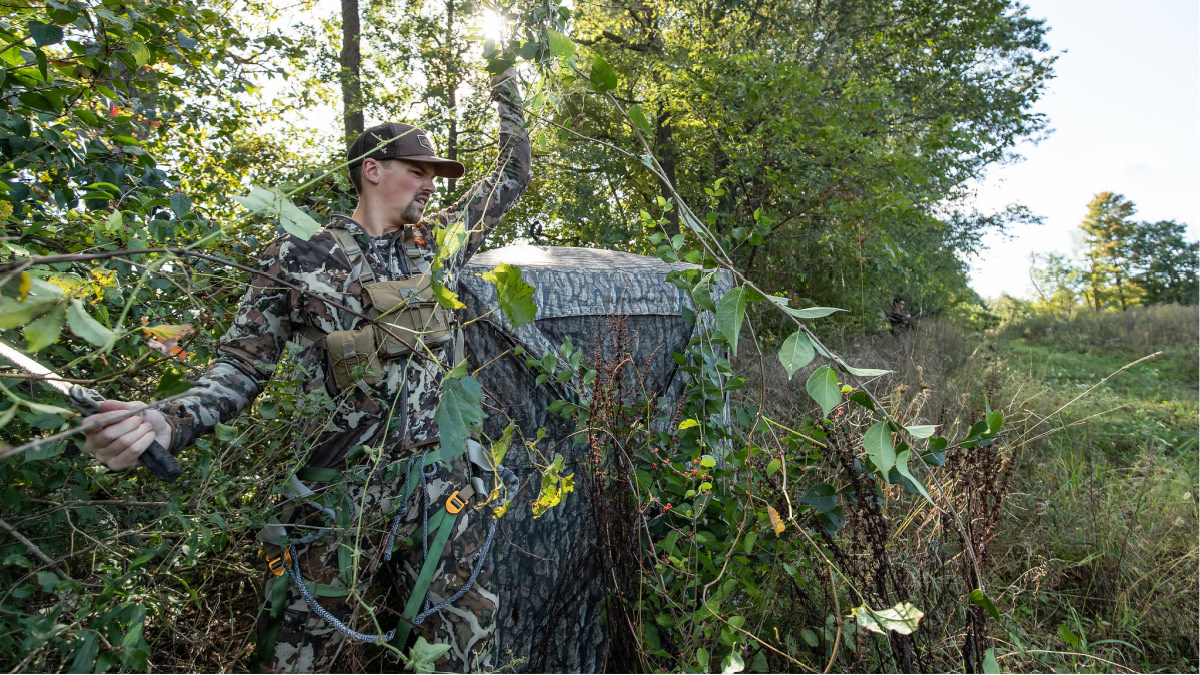
A ground blind sitting in an open field looks like a ground blind sitting in an open field. You must break up the outline with natural vegetation. Cut branches and weave them through the blind's brush loops. Pile brush around the base. Make the blind look like a natural pile of vegetation rather than a geometric box. This step takes 30-60 minutes and doubles the blind's effectiveness.
Wind and Scent Management
Ground blinds concentrate your scent inside the enclosure, but every open window is a scent highway. Position the blind so prevailing wind carries your scent away from expected game approach routes. Open only the windows you need for shooting, and consider hanging a scent-killing bag inside the blind.
Interior Darkness
This is where hunters fail most often. If the interior of your blind is lit up by sunlight, game can see your silhouette and movement through the mesh. Ensure maximum darkness inside by keeping non-essential windows closed, wearing dark clothing (all black is ideal), and choosing blinds with blackout interior coatings.
Shooting Practice
Practice shooting from inside your blind before hunting season. Drawing a bow inside a blind is different from open air — you need to know clearance limitations, optimal chair height, and how far you can rotate. For gun hunters, ensure your barrel clears the windows and your muzzle blast won't damage the blind fabric.
The Bottom Line
A quality ground blind expands your hunting options dramatically. The Primos Double Bull SurroundView is the best overall blind we've tested — the see-through wall technology is genuinely revolutionary for situational awareness. But the Ameristep Care Taker at $80-120 proves you don't need to spend $400+ for effective ground blind hunting.
Ground Blind Accessories Worth Buying
A few accessories transform a basic ground blind into a comfortable, effective hunting setup:
- Quality hunting chair: You'll spend 4-12 hours sitting in this blind. A comfortable, silent swivel chair with adjustable height ($40-80) is not optional — it's essential. The Alps King Kong chair and Millennium G-100 are proven options that provide stable, quiet rotation for tracking game movement.
- Bow hanger or gun rest: Holding a weapon for hours causes fatigue that degrades your shot when the moment arrives. A simple hook, hanger, or rest keeps your weapon accessible without hand fatigue.
- Scent elimination system: The enclosed space of a ground blind concentrates human odor. Use an ozone generator (like the Ozonics HR-500) or scent-elimination spray liberally inside the blind before each sit. Treat the blind fabric itself with scent-killer spray.
- Shooting sticks or bipod: For rifle hunters, shooting sticks positioned at window height provide a stable rest for precision shots. For crossbow hunters, a window-mounted rail reduces fatigue during long waits.
DIY Ground Blind Improvements
Simple modifications can dramatically improve any ground blind. Adding aftermarket stake-down kits with heavy-duty stakes prevents the blind from blowing over in strong winds — a common problem with hub-style blinds on exposed field edges. Installing a small piece of dark carpet or foam mat on the floor eliminates foot noise from shifting weight on frozen ground. Attaching brush clips to the exterior allows natural vegetation to be woven into the blind's fabric, accelerating the brushing-in process and making the blind disappear into its surroundings faster than natural aging alone.
When Ground Blinds Beat Treestands
Ground blinds outperform treestands in several specific scenarios: hunting with children or mobility-impaired partners (no climbing required), flat terrain with no suitable trees, extreme cold (the enclosed blind blocks wind and can be heated with hand warmers), hunting open agricultural fields where treelines are too far from feeding areas, and turkey hunting (blinds allow full-body concealment while calling). If you hunt multiple situations, owning both a ground blind and a treestand gives you maximum flexibility to match the setup to the terrain.
Whichever blind you choose, remember: setup timing and brushing-in matter more than the blind itself. A $80 blind set up 3 weeks early and brushed in properly will outperform a $500 blind set up the morning of the hunt. Plan ahead, prepare your site, and let the blind become part of the landscape. Your next buck won't know you're there.
Where to Buy Ground Blinds
Check Price on Amazon →
Check Price on Amazon →
Check Price on Amazon →
Get More Gear Guides
Join 10,000+ hunters and get our free Ultimate Gear Checklist plus weekly reviews delivered to your inbox.
Share this guide:
Related Articles
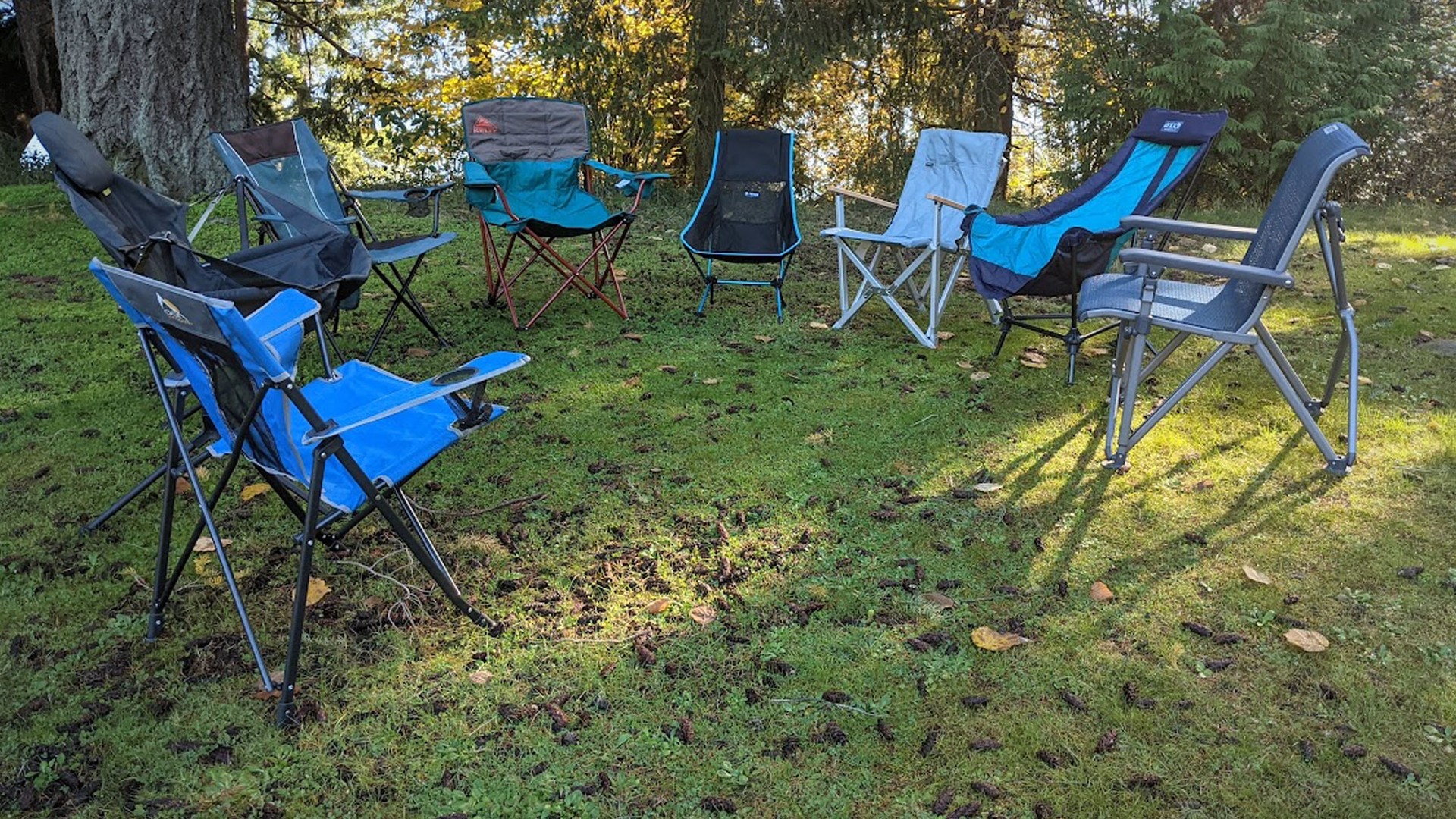
Spring Outdoor Gear Essentials 2026: Fishing, Camping & Turkey Season
Complete spring outdoor gear guide covering coolers, tackle boxes, fishing lures, camping chairs, bug protection, and turkey season essentials. YETI, RTIC, Plano, Thermacell, and more reviewed with prices.
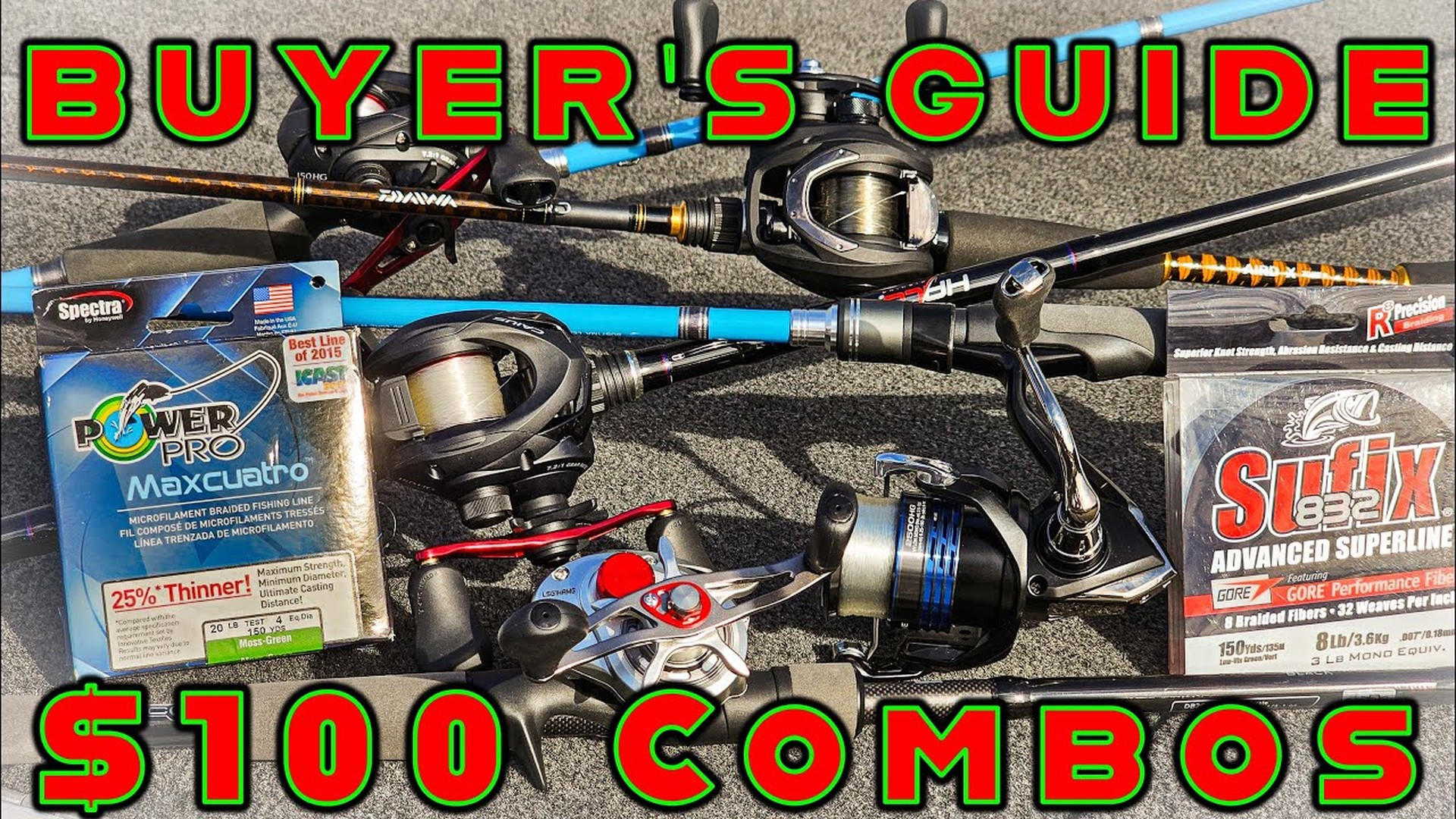
Best Fishing Rod & Reel Combos 2026: Bass, Walleye & Panfish Picks
Expert-tested rod and reel combos from $60 to $500. Shimano, Abu Garcia, St. Croix, Lew's and Daiwa compared. Spinning vs baitcasting, power/action guide, and best combo for every species and technique.
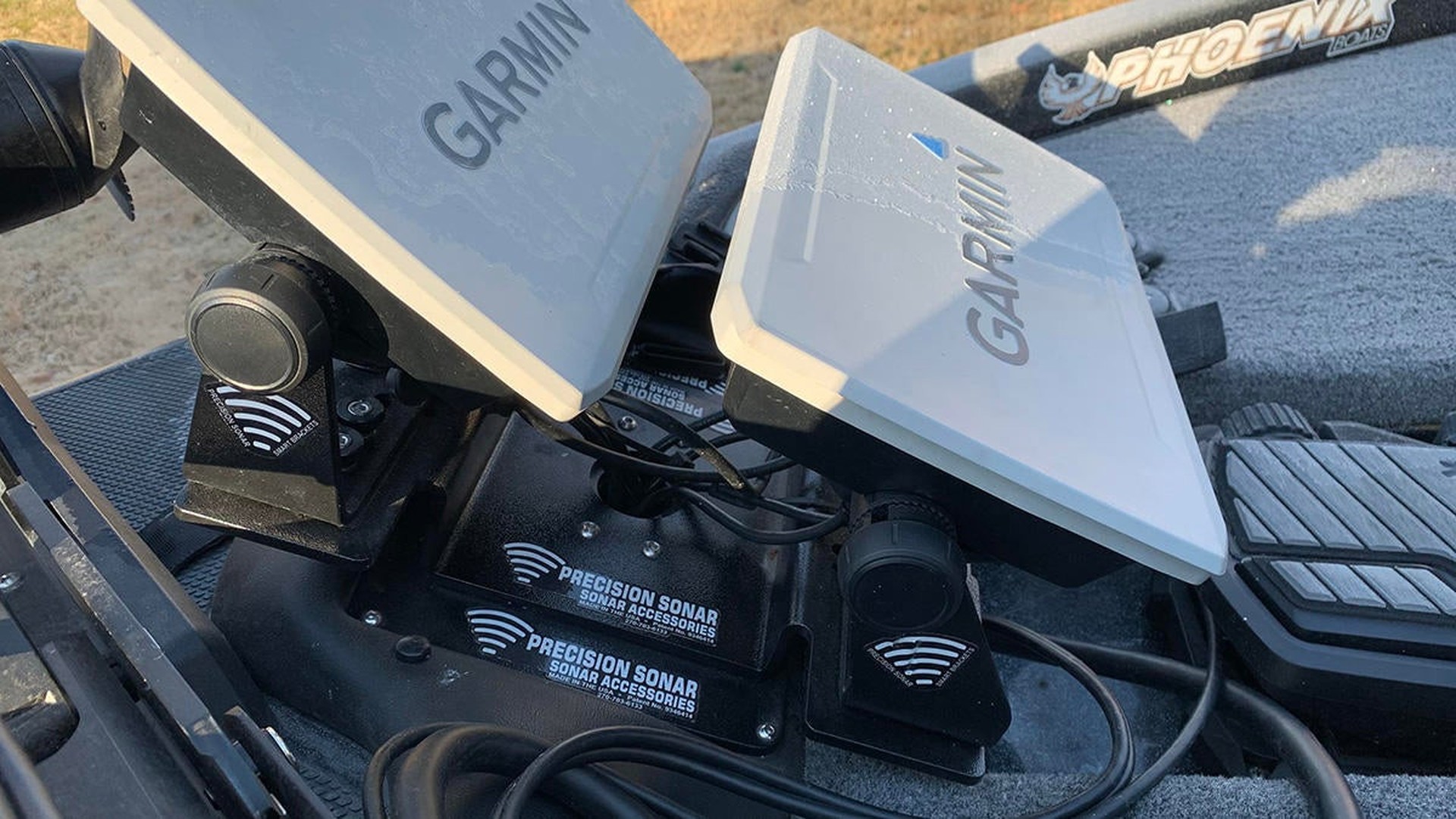
Best Fish Finders for 2026: Sonar, GPS & Live Imaging Compared
Expert-tested fish finder reviews from $200 to $2,000+. Garmin ECHOMAP, Lowrance HOOK, Humminbird HELIX compared. Sonar types explained, GPS mapping, live imaging technology & installation guide for kayak, bass boat & ice fishing.