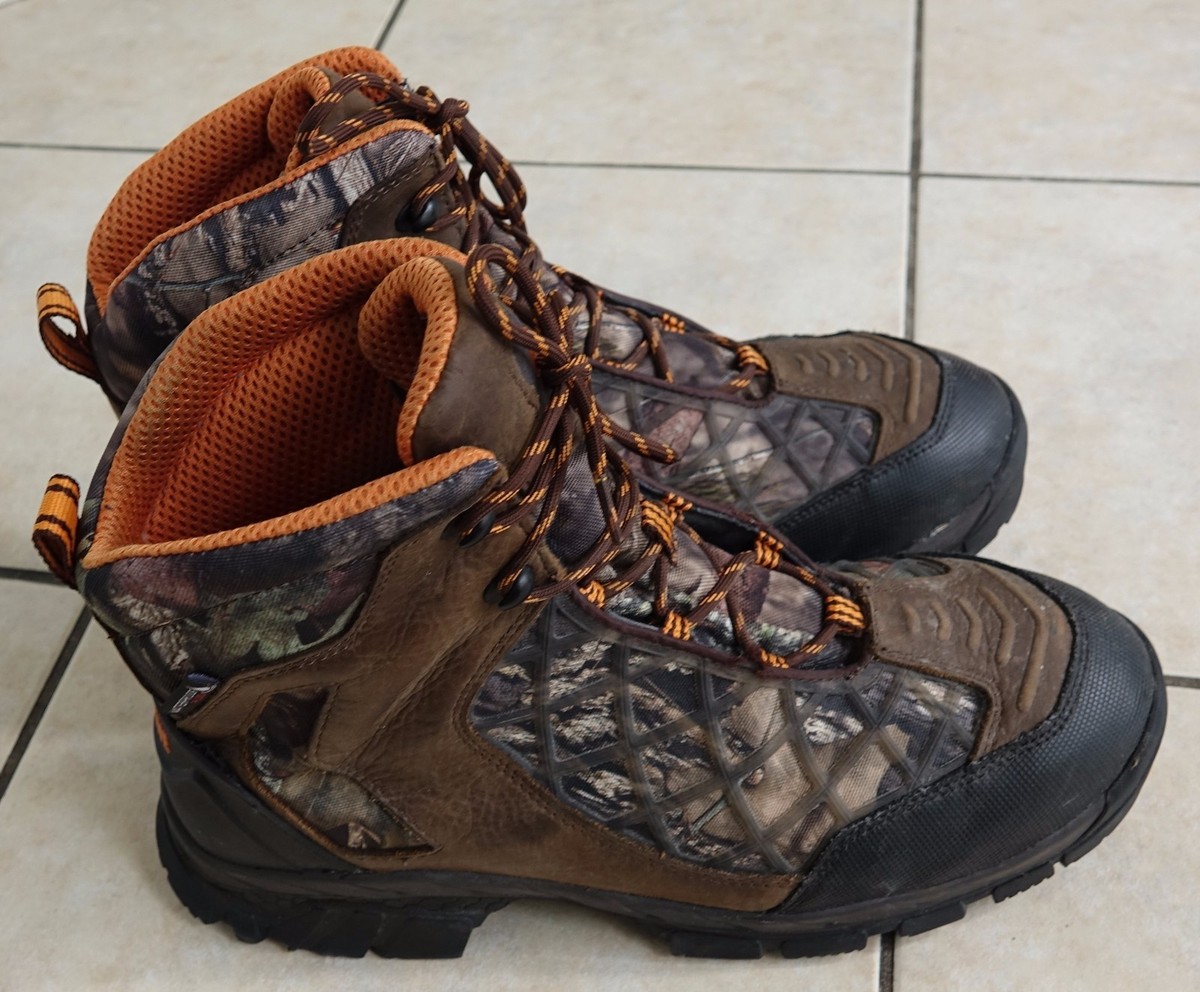
Top 10 Hunting Boots for 2026: Reviews & Comparison
Affiliate Disclosure: This article contains affiliate links. If you purchase through these links, we may earn a commission at no extra cost to you. This helps support our site and allows us to continue creating in-depth gear reviews. Our recommendations are based on independent testing and research.
Your hunting boots are the foundation of every successful hunt. Cold, wet, or blistered feet can end a hunt faster than an empty tag pocket. After testing dozens of boots across multiple seasons, we've identified the top 10 hunting boots that deliver on comfort, durability, and performance.
I've worn out more hunting boots than I care to count over 52 years of chasing game. What I've learned is that no single boot works for every situation. The insulated pac boot that keeps your feet warm in a December treestand will blister you raw on a September mountain hunt. The lightweight hiker that's perfect for early-season spot-and-stalk will leave you frostbitten during late-season sits.
This guide breaks down the best boots for specific hunting scenarios, explains what features actually matter, and helps you avoid the expensive mistakes most hunters make.
Understanding Hunting Boot Categories
Uninsulated Hiking Boots (0g Insulation)
These are lightweight, breathable boots for active hunting in moderate to warm temperatures. They excel during early bow season, spot-and-stalk hunts, and any situation where you're covering significant ground. Your feet generate enough heat through walking to stay comfortable down to about 40°F with good socks.
Best for: Early season, spot-and-stalk, mountain hunting, all-day walks
Lightly Insulated Boots (200-400g)
The most versatile category. Enough insulation for moderately cold sits, not so much that your feet overheat while walking. This is the boot most hunters should buy first if they can only own one pair.
Best for: All-around hunting from October through November, moderate climates
Heavily Insulated Boots (800-1200g)
Designed for stationary hunting in cold weather — treestands, ground blinds, late-season sits. The thick insulation traps body heat during hours of inactivity. Walking more than a mile in these will overheat your feet, creating sweat that actually makes you colder later.
Best for: Late season treestand/blind hunting, extreme cold, minimal walking
Rubber Boots
Rubber is waterproof, scent-proof, and easy to clean. Hip-height rubber boots are essential for waterfowl and swamp access. Ankle-height rubber boots are popular for whitetail hunting because they leave minimal ground scent on your walk to the stand.
Best for: Waterfowl, swamp access, scent-conscious whitetail hunting
Top Hunting Boots for 2026
Best Overall: Crispi Thor II GTX
The Thor II is the boot I reach for on 60% of my hunts. The 200g Thinsulate insulation hits the versatility sweet spot — warm enough for November sits, light enough for mile-long walks to remote stands. The Gore-Tex membrane has kept my feet dry through creek crossings, all-day rain hunts, and dew-soaked morning approaches.
What sets Crispi apart is their boot-fitting system. The ankle support wraps your heel in a way that eliminates the micro-movements that cause blisters. After breaking in (about 15 miles of walking), the Thor II fits like a custom boot. The Vibram sole grips wet rock and steep hillsides confidently — critical when you're descending a ridge in the dark.
Insulation: 200g Thinsulate
Waterproofing: Gore-Tex
Weight: 2 lbs 14 oz per boot
Price: $340-380
Best Budget: Irish Setter Vaprtrek 8"
Irish Setter has been making hunting boots since 1950, and the Vaprtrek represents decades of refined design at an accessible price. At under 2 pounds per boot, it's one of the lightest insulated hunting boots available. The RPM composite sole provides solid traction, and the UltraDry waterproofing system has proven reliable across multiple seasons of testing.
The 400g Thinsulate insulation is slightly warmer than the Crispi, making the Vaprtrek a better choice for hunters who sit more than they walk. The only weakness is durability of the synthetic upper — expect 2-3 seasons of regular use before the material starts breaking down at flex points.
Insulation: 400g Thinsulate
Waterproofing: UltraDry
Weight: 1 lb 15 oz per boot
Price: $160-190
Best for Mountain Hunting: Schnee's Granite
Mountain hunting demands boots that grip on loose shale, support heavy loads on downhill traverses, and survive miles of rocky terrain without falling apart. The Schnee's Granite was built for exactly this — a stiff, supportive mountain boot with a Vibram Megagrip sole that clings to technical terrain.
These boots are heavy (3 lbs 8 oz per boot) and stiff, which makes them poor choices for flat-ground hunting but exceptional in steep, technical terrain where ankle support and precise foot placement matter. The full-grain leather upper is nearly indestructible with proper conditioning.
Insulation: Uninsulated (pair with heavy socks for cold)
Waterproofing: Gore-Tex
Weight: 3 lbs 8 oz per boot
Price: $400-450
Best Rubber Boot: LaCrosse Alphaburly Pro
The Alphaburly Pro is the gold standard for insulated rubber hunting boots. Available in multiple insulation weights (400g, 800g, 1600g), you can match warmth to your conditions. The neoprene core provides natural insulation beyond the Thinsulate rating, and the hand-laid rubber construction gives these boots a fit and flexibility that cheaper rubber boots can't match.
For whitetail hunters concerned about scent, rubber boots leave virtually no ground scent on your walk to the stand. The 800g version handles most treestand situations down to about 15°F with good socks. The 1600g version is a warm-weather boot for your feet — I've sat comfortably in single-digit temperatures.
Insulation: 400g/800g/1600g Thinsulate
Waterproofing: 100% rubber
Weight: 4 lbs 2 oz per boot (800g version)
Price: $170-220
Best Cold Weather: Kenetrek Northern 13"
When temperatures drop below zero and you're sitting motionless in a treestand for four hours, the Kenetrek Northern is the boot you want. The 1000g of Thinsulate combined with a thick felt liner and insulated midsole creates a warm cocoon around your foot that handles the most extreme conditions North American hunting dishes out.
The 13-inch height provides deep snow coverage and calf warmth. The full-grain leather upper with rubber toe rand handles the abuse of frozen terrain. These are heavy, specialized boots — not for hiking miles — but for pure cold-weather sit hunting, nothing I've tested keeps feet warmer.
Insulation: 1000g Thinsulate + felt liner
Waterproofing: Full-grain leather with waterproof membrane
Weight: 4 lbs 6 oz per boot
Price: $380-430
How to Choose the Right Boot
Match Insulation to Activity Level
The biggest mistake hunters make is buying too much insulation. An 800g boot worn while walking a mile to your stand traps sweat that then makes your feet colder during the sit than 400g boots would have. The rule of thumb: if you walk more than half a mile to your hunting spot, drop one insulation level and compensate with better socks and boot blankets during stationary hunting.
Fit Is Everything
Always try boots on with your hunting socks — the same socks you'll actually wear in the field. Your hunting boot should be snug in the heel (no lift when walking) with enough toe room to wiggle your toes freely. Toes crammed against the front of the boot lose circulation and get cold regardless of insulation level.
Shop for boots in the afternoon when your feet are slightly swollen from the day's activity. This better simulates how your feet will feel after walking to your stand.
Break-In Period
Never hunt in brand-new boots. Leather boots need 15-25 miles of walking to break in properly. Even synthetic boots need 5-10 miles to conform to your foot. Start wearing new boots on short walks months before hunting season, gradually increasing distance. A blister on day one of a hunt can ruin an entire season.
Boot Care and Longevity
Proper boot care doubles the lifespan of quality hunting footwear:
- After every hunt: Remove insoles and open the boot fully. Stuff with newspaper to absorb moisture. Air dry at room temperature — never use a heat source that can damage waterproof membranes and adhesives.
- Leather maintenance: Apply leather conditioner or mink oil every 30-40 hours of field use. This keeps leather supple and maintains waterproofing. Dry, cracked leather is the leading cause of premature boot failure.
- Sole inspection: Check sole tread and heel edges for wear. A re-sole ($80-120) is far cheaper than a new boot if the upper is still sound. Quality boots from Crispi, Schnee's, and Kenetrek are all resolable.
- Storage: Store boots in a cool, dry place with boot trees or stuffed with newspaper to maintain shape. Avoid storing in hot garages or vehicles where heat degrades adhesives and rubber.
The Two-Boot System
The most practical approach for serious hunters is a two-boot system: one lightweight, lightly insulated boot for active hunting and warm conditions (September through mid-November), and one heavily insulated boot for cold-weather sits (late November through January). This covers 95% of hunting scenarios without compromise.
My personal two-boot system: Crispi Thor II for early and mid-season, LaCrosse Alphaburly Pro 800g for late-season treestand hunting. This combination has served me flawlessly for years across multiple states and conditions. Invest in quality boots, care for them properly, and your feet will thank you on every hunt.
Common Hunting Boot Mistakes
Buying Based on Insulation Alone
More insulation is not always better. A 1200g boot worn while walking a mile to your stand generates sweat that then chills your feet during a stationary sit. The sweat negates the insulation advantage. Match insulation weight to your activity level and the temperature at the time you'll be stationary — not the walk-in temperature.
Ignoring Sole Compatibility
Climbing stand users need boots with a flat, grippy sole that interfaces cleanly with the stand's climbing bars. Heavily lugged soles can catch on stand edges and create dangerous footing. Saddle hunters need a sole that grips narrow platform edges under body weight. Test your boots with your specific stand system before hunting season.
Lacing Too Tight
Tight laces compress foot insulation and restrict blood flow — both of which make feet colder, not warmer. Lace your boots snugly enough to prevent heel lift but loosely enough that you can wiggle your toes freely. On treestand days, consider loosening laces once you're settled to maximize blood flow during the sit.
Neglecting Sock Selection
The best hunting boot in the world will underperform with a cheap cotton sock. Merino wool socks are the foundation of foot warmth and comfort. They wick moisture, insulate when damp, and resist odor through multi-day hunts. A quality merino hunting sock paired with a budget boot will outperform a premium boot with a cotton sock every time.
Consider a two-sock system for cold weather: a thin merino liner sock under a heavier merino hunting sock. The liner wicks sweat away from skin to the outer sock, keeping your feet drier. The air space between layers adds insulation. This system has kept my feet warm to -10°F in 1000g boots.
When to Replace Your Hunting Boots
Quality hunting boots last 3-10 years depending on use intensity. Replace them when:
- Sole tread is worn flat in high-wear areas (heel, ball of foot)
- Waterproof membrane fails and boots consistently wet through
- Insulation has compressed and no longer provides warmth (usually after 3-5 seasons)
- Sole separation begins at the toe or heel
- Ankle support feels loose despite proper lacing
Boot Storage Between Seasons
How you store boots during the off-season matters as much as how you use them. Clean boots thoroughly before storage, apply a leather conditioner if applicable, and stuff them with newspaper or cedar boot trees to absorb residual moisture and maintain shape. Store in a cool, dry location away from direct sunlight — UV exposure degrades rubber compounds and dries out leather. Never store boots in a hot garage or attic where temperatures fluctuate dramatically, as heat cycles crack leather and degrade adhesives. A dedicated shelf in a climate-controlled closet is ideal.
Insole Upgrades That Transform Comfort
The factory insoles in most hunting boots are adequate but not exceptional. Upgrading to aftermarket insoles from Superfeet (Green or Orange models) or Currex HuntPro adds arch support, heel cushioning, and moisture management that the originals lack. For boots with 400g+ insulation, a thin insole works best to preserve toe room. For uninsulated boots, a thicker cushioned insole adds comfort on long walks over hard terrain. Budget $30-50 annually for insole replacement — they compress and lose support after a season of hard use.
Before discarding, check if your boots are resolable. Premium leather boots from Crispi, Schnee's, Kenetrek, and Danner can be resoled for $80-150, extending their life by several more seasons. The leather upper often outlasts multiple soles if properly maintained.
Where to Buy These Boots
Check Price on Amazon →
Check Price on Amazon →
Check Price on Amazon →
Check Price on Amazon →
Get More Gear Guides
Join 10,000+ hunters and get our free Ultimate Gear Checklist plus weekly reviews delivered to your inbox.
Share this guide:
Related Articles
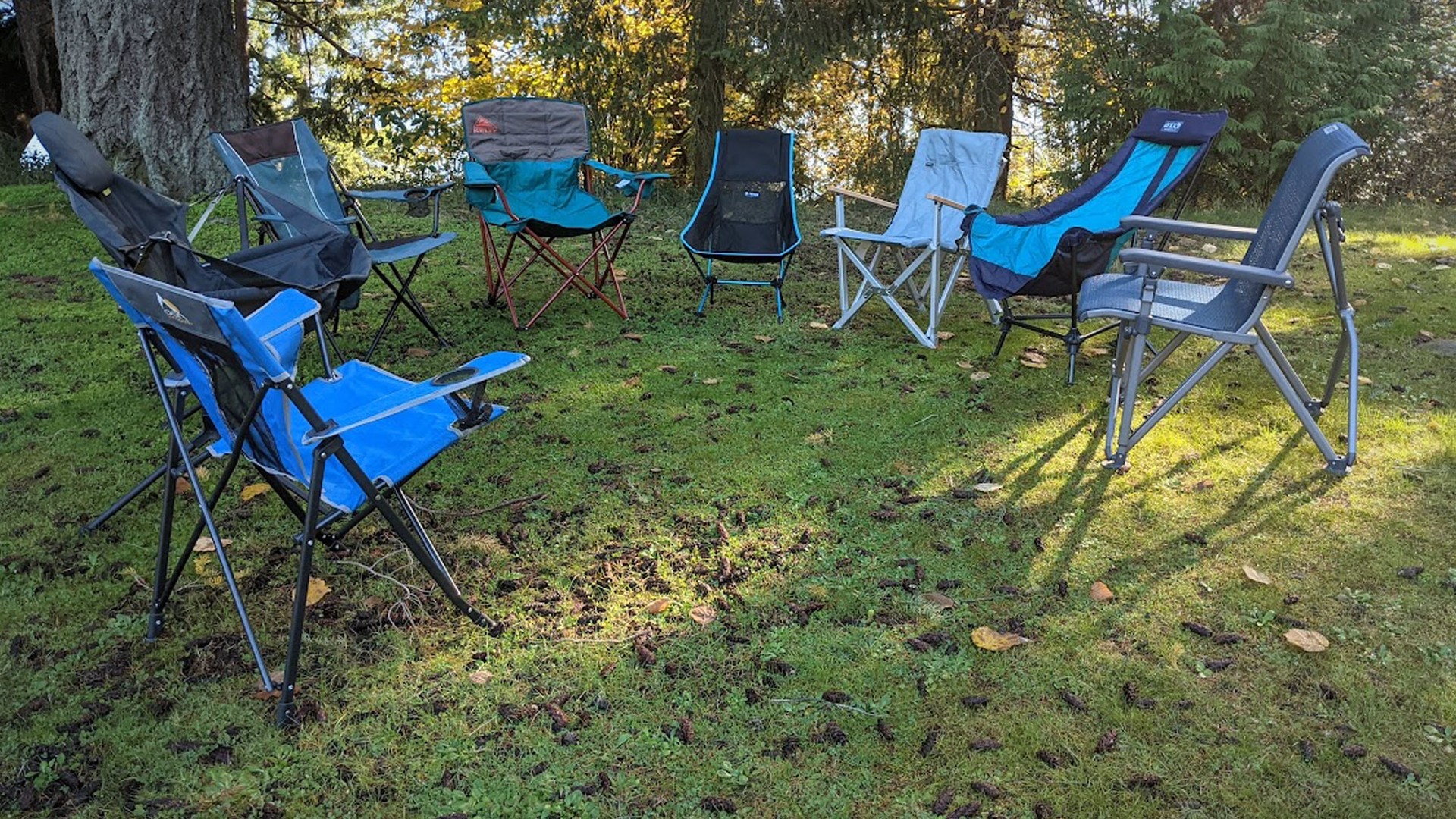
Spring Outdoor Gear Essentials 2026: Fishing, Camping & Turkey Season
Complete spring outdoor gear guide covering coolers, tackle boxes, fishing lures, camping chairs, bug protection, and turkey season essentials. YETI, RTIC, Plano, Thermacell, and more reviewed with prices.
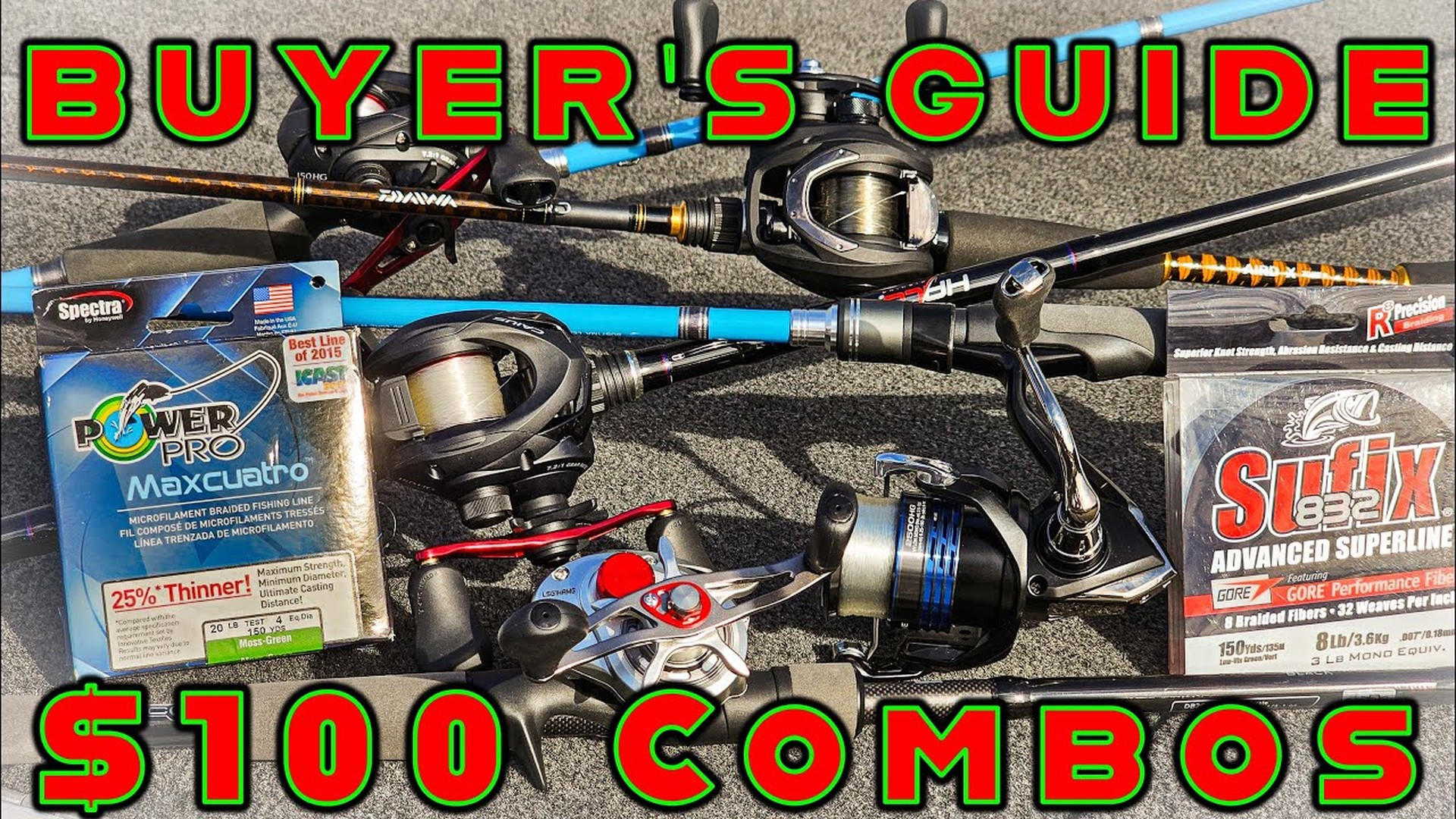
Best Fishing Rod & Reel Combos 2026: Bass, Walleye & Panfish Picks
Expert-tested rod and reel combos from $60 to $500. Shimano, Abu Garcia, St. Croix, Lew's and Daiwa compared. Spinning vs baitcasting, power/action guide, and best combo for every species and technique.
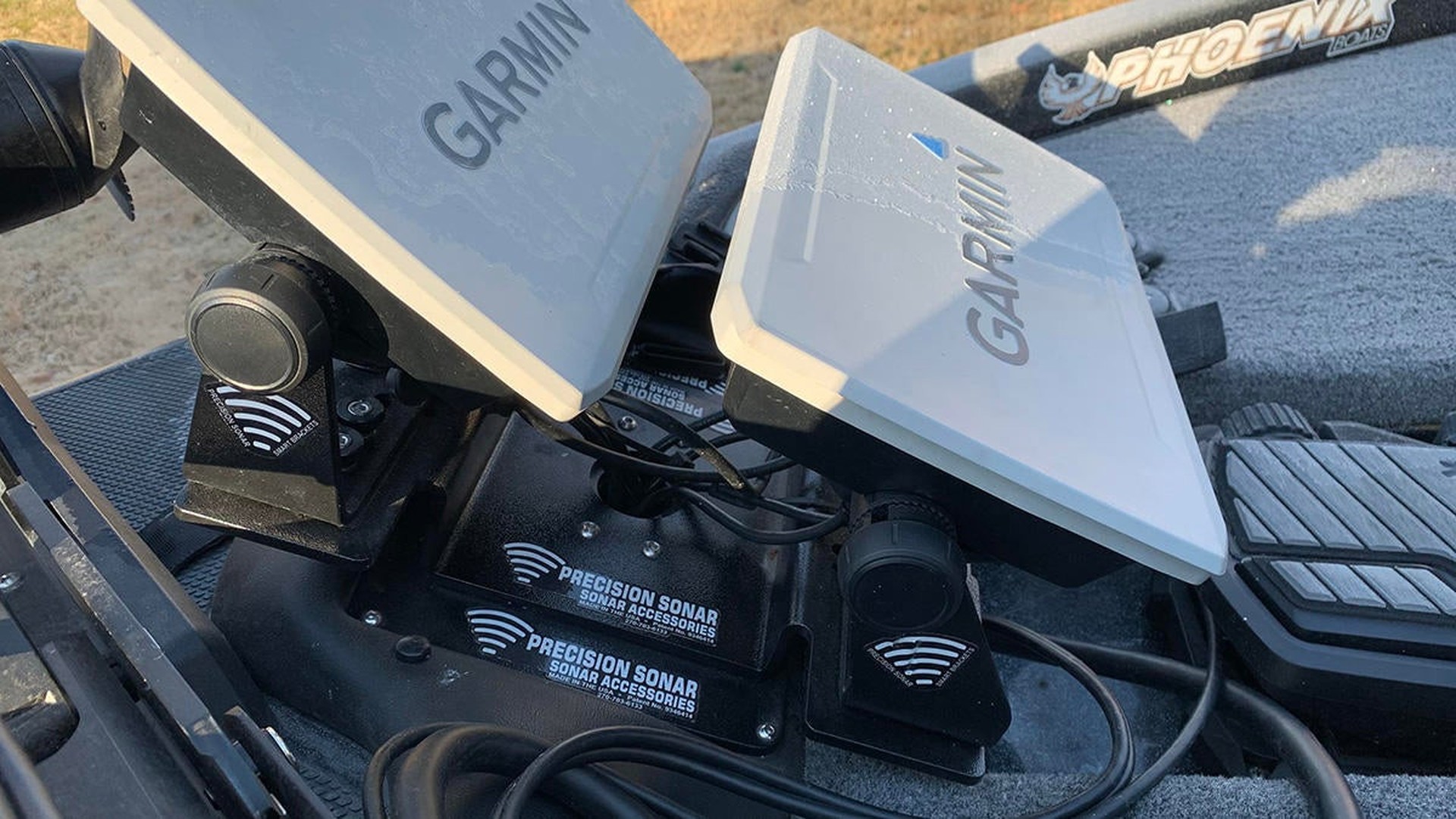
Best Fish Finders for 2026: Sonar, GPS & Live Imaging Compared
Expert-tested fish finder reviews from $200 to $2,000+. Garmin ECHOMAP, Lowrance HOOK, Humminbird HELIX compared. Sonar types explained, GPS mapping, live imaging technology & installation guide for kayak, bass boat & ice fishing.