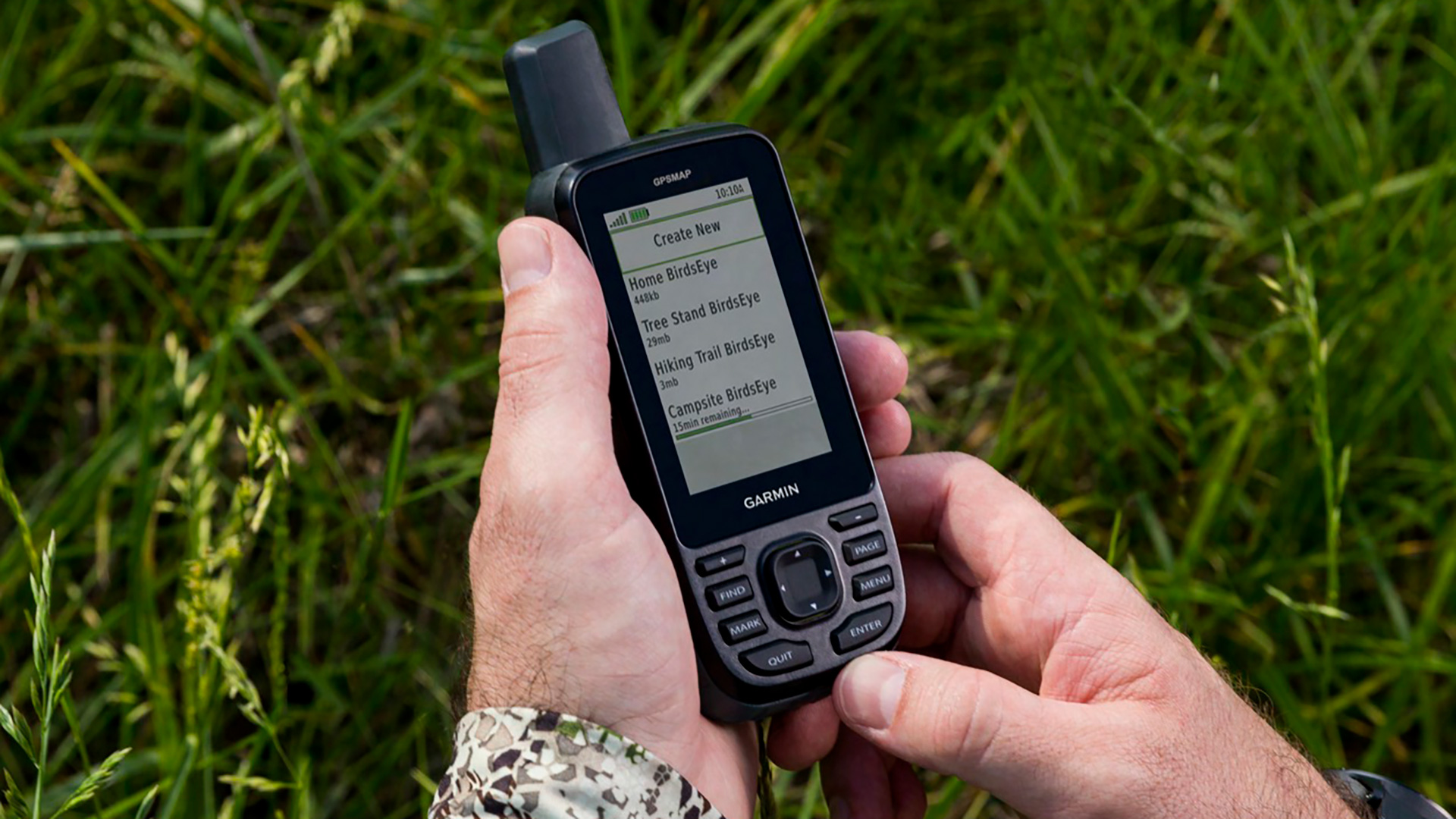
Best Hunting GPS Units 2026: Complete Comparison
Affiliate Disclosure: This article contains affiliate links. If you purchase through these links, we may earn a commission at no extra cost to you. This helps support our site and allows us to continue creating in-depth gear reviews. Our recommendations are based on independent testing and research.
Getting lost in the backcountry is no joke — and dropping a pin on your phone isn't a hunting GPS strategy. A dedicated hunting GPS or a premium mapping app gives you the confidence to push deeper into unfamiliar territory, mark stands and game trails, track blood trails in the dark, and navigate back to your truck when your legs are screaming and daylight is gone. Here's our complete comparison of the best hunting GPS units and apps for 2026.
| GPS Unit | Best For | Price | Battery | Display | Weight | Rating |
|---|---|---|---|---|---|---|
| Garmin GPSMAP 67i | Best Overall | ~$500 | 35+ hrs | 3" color | 8.2 oz | ⭐ 9.4/10 |
| Garmin Montana 700 | Best Touchscreen | ~$600 | 18 hrs | 5" touch | 14 oz | ⭐ 9.1/10 |
| Garmin eTrex 32x | Best Budget | ~$200 | 25 hrs | 2.2" color | 5 oz | ⭐ 8.5/10 |
| onX Hunt App | Best Mapping App | $30-100/yr | Phone dep. | Phone | — | ⭐ 9.2/10 |
| Garmin inReach Explorer+ | Best Backcountry | ~$400+sub | 100 hrs | 2.31" color | 7.5 oz | ⭐ 9.0/10 |
🔗 Compare GPS Prices on Amazon
Dedicated GPS vs. Phone Apps: The Real Debate
Before we dive into specific units, let's address the elephant in the room: do you even need a dedicated GPS when your phone can run onX or HuntStand?
The honest answer depends on how and where you hunt. Phone-based GPS apps have gotten remarkably good — onX Hunt and GOHUNT maps are genuinely excellent. But phones have critical weaknesses that dedicated GPS units solve:
- Battery life: A phone running GPS and screen continuously lasts 4-6 hours. A dedicated Garmin runs 16-20+ hours on a single charge.
- Durability: Phones break when dropped on rocks. Hunting GPS units are built MIL-STD-810 tough.
- Cold weather: Phone batteries die rapidly below 20°F. Dedicated GPS units use lithium batteries rated to -4°F.
- No signal required: Dedicated GPS units work via satellite — no cell signal needed. Phone apps require pre-downloaded maps.
- Emergency communication: Units with inReach technology let you send SOS messages from anywhere on Earth.
My recommendation: use BOTH. Run onX on your phone for pre-hunt planning and in-field waypoint sharing. Carry a dedicated GPS as your primary navigation tool, especially on backcountry hunts. Belt and suspenders — because getting lost 8 miles from the trailhead at dark is not the time to discover your phone battery is at 3%.
Our Top Picks
Quick Recommendations
- Best Overall: Garmin GPSMAP 67i — Best GPS + satellite communicator combo
- Best Value: Garmin Montana 700 — Large touchscreen, long battery, proven reliability
- Best Budget: Garmin eTrex 32x — Affordable, reliable, gets the job done
- Best App: onX Hunt — The industry standard for hunting mapping apps
- Best for Backcountry: Garmin inReach Explorer+ — When satellite SOS is non-negotiable
Detailed Reviews
1. Garmin GPSMAP 67i — Best Overall
Price: ~$500 | Weight: 8.2 oz | Battery: 35+ hours GPS mode | Display: 3" color
The GPSMAP 67i is our top pick because it combines excellent GPS navigation with inReach satellite communication in a single device. The dual-band GPS provides accuracy to within 10 feet — even under heavy tree canopy where cheaper units struggle. And the built-in inReach means you can text your hunting partners, share your location, and send an SOS from anywhere with a clear view of the sky.
In the field, the 67i excelled during a 5-day backcountry elk hunt in Idaho. I marked 23 waypoints (wallows, rubs, trails, glassing spots), tracked my route for 47 miles of hiking, and texted my wife our camp location each evening via satellite. Battery lasted three full days with GPS tracking running continuously — I carried a small power bank as backup but didn't need it.
The 3-inch display is adequate but not huge — fine for navigation and waypoint management but you'll prefer your phone for detailed map analysis. The button interface is more reliable than touchscreen in wet/cold conditions. The ABC sensors (altimeter, barometer, compass) are accurate and useful for weather prediction and elevation tracking.
2. Garmin Montana 700 — Best Value Handheld
Price: ~$600 | Weight: 14 oz | Battery: 18 hours | Display: 5" touchscreen
If you want the largest, most feature-rich handheld GPS without the satellite communicator, the Montana 700 is hard to beat. The 5-inch touchscreen is glove-friendly and displays topo maps with excellent detail. It runs Garmin's full suite of mapping software, accepts external maps, and has enough internal storage for every map you'd ever need.
The Montana 700 is heavier at 14 ounces — noticeable when you're counting grams on a backcountry hunt, but irrelevant for truck hunting, tree stand hunting, or day hunts. Battery life runs about 18 hours with GPS tracking, which gets most hunters through a long day. The built-in flashlight is surprisingly useful for those pre-dawn walks to your stand.
Where the Montana really shines is its large screen. Reading topo lines, identifying terrain features, and scrolling through waypoints is significantly easier than on smaller-screened units. For hunters over 40 whose eyes appreciate larger displays, this matters more than spec sheets suggest.
3. Garmin eTrex 32x — Best Budget
Price: ~$200 | Weight: 5 oz | Battery: 25 hours (AA) | Display: 2.2" color
The eTrex 32x proves you don't need to spend $500+ for reliable GPS navigation. At $200, it delivers solid GPS accuracy, pre-loaded TopoActive maps, and 25 hours of battery life on two AA batteries — which you can buy at any gas station if you're caught short.
The trade-offs are real: the 2.2-inch screen is tiny, the button-only interface is slower than touchscreen, and there's no satellite communicator. But for basic navigation — marking stand locations, following a blood trail, finding your truck in the dark — the eTrex 32x is a perfectly reliable tool that's been a hunting staple for years.
I recommend this unit for hunters who primarily hunt familiar territory but want a GPS safety net. It's also an excellent choice as a backup unit that lives in your pack permanently.
4. onX Hunt App — Best Mapping App
Price: $30/year (single state) or $100/year (all states) | Platform: iOS/Android
If you're only going to use one hunting app, onX Hunt is the answer. The public/private land layers are the most accurate in the industry — I've ground-truthed their boundaries against county records and found them accurate to within one property line in every case. The Offline Maps feature lets you download entire hunting units for use without cell service.
Key hunting features include:
- Land ownership layers: See exactly who owns every parcel. Tap a parcel to get the owner's name and mailing address (invaluable for permission access)
- Public land boundaries: BLM, National Forest, State Land, Walk-In Access areas — color-coded and precise
- Waypoint management: Create custom markers for stands, cameras, scrapes, food plots, parking spots
- Hunt Activity tracking: GPS tracks your movement and overlays it on the map — incredibly useful for analyzing your hunting patterns
- Weather and wind: Real-time wind direction overlay helps with stand selection
The primary weakness of onX (and all phone apps) is that they depend on your phone. Cold drains batteries, screens crack, and you lose your navigation when you need it most. Always carry a paper map as backup, or better yet, pair onX with a dedicated GPS unit.
5. Garmin inReach Explorer+ — Best for Remote Backcountry
Price: ~$400 + subscription | Weight: 7.5 oz | Battery: 100 hours tracking mode
For hunters venturing into truly remote areas — Alaska, deep backcountry western hunts, or international trips — the inReach Explorer+ provides satellite communication that could literally save your life. Features include two-way text messaging via Iridium satellites, SOS with 24/7 monitoring by GEOS, GPS tracking that shares your location with family in real time, and weather forecasting.
The GPS navigation is adequate but less refined than the GPSMAP series. The screen is small and basic. But none of that matters when you're pinned down by weather 15 miles from the trailhead and can text a rescue team your exact coordinates. The inReach pays for itself the first time you need it — and you'll never know when that is.
The subscription model ($12-50/month depending on plan) is an ongoing cost that frustrates some buyers. But satellite communication networks are expensive to operate, and even the basic $12/month plan gives you unlimited SOS, 10 text messages, and location tracking.
What to Look for in a Hunting GPS
GPS Accuracy
Look for multi-band (dual-band) GPS receivers. They use signals from multiple satellite constellations (GPS, GLONASS, Galileo) on different frequencies to achieve accuracy within 10 feet — even under tree canopy. Single-band receivers can drift 30-50 feet under cover, which matters when you're following a blood trail or returning to a precise waypoint.
Battery Life
This is the most critical spec for hunting. You need a GPS that lasts a full day of active use — minimum 16 hours with GPS tracking running. For multi-day backcountry hunts, consider units with replaceable AA batteries (carry spares) or long-lasting rechargeable batteries with a power bank backup.
Mapping Quality
Pre-loaded topographic maps are standard, but quality varies. Look for maps that show terrain contours, water features, roads, trails, and ideally land ownership boundaries. Many Garmin units accept additional maps via microSD card, and onX offers downloadable Garmin-compatible maps.
Durability
Your GPS will be dropped, rained on, frozen, and shoved into packs with sharp objects. Look for IPX7 water resistance (submersible to 1 meter) and MIL-STD-810 shock resistance. A GPS that dies in the rain is worse than no GPS at all.
Screen Size and Readability
Bigger screens are easier to read but add weight and drain battery faster. For backcountry hunting, a 3-inch screen strikes the best balance. For truck hunting or day hunts where weight is less critical, a 5-inch touchscreen improves the experience significantly.
Field Tips for Hunting GPS Use
Pre-Hunt Setup
- Download offline maps for your entire hunting area before you leave home — don't rely on cell service in the field
- Mark your truck as the first waypoint every time. Do this before you even shut the door.
- Pre-mark key waypoints: Stand locations, trail camera positions, water sources, known bedding areas, access points
- Update firmware: Run any firmware updates at home where you have Wi-Fi and power
- Test fresh batteries: Never start a hunt with unknown battery status
In-Field Best Practices
- Mark the shot location: Immediately mark a waypoint where your arrow or bullet hit. You'll think you'll remember the exact spot — you won't.
- Track blood trails: If a trail goes cold, your GPS track shows exactly where you've already searched
- Use breadcrumb tracking: On backcountry hunts, run track recording constantly. Following your track back is the safest way out after dark.
- Note elevation: Big game animals often use specific elevation bands. Marking elevation at sightings and sign helps identify patterns over multiple hunts.
The Bottom Line
A reliable hunting GPS isn't a luxury — it's a safety tool that also makes you a more effective hunter. The Garmin GPSMAP 67i is our top overall pick for its combination of accuracy, satellite communication, and battery life. But even a $200 eTrex 32x paired with a free onX trial will transform how you navigate and hunt unfamiliar territory.
GPS Battery Management in Cold Weather
Cold temperatures dramatically reduce battery performance in all GPS devices. Lithium batteries outperform alkalines below 20°F — keep a spare set of lithium AA or AAA batteries in an inside pocket where body heat maintains their temperature. For rechargeable GPS units, carry an external battery pack and a short charging cable. Start every hunt with a fully charged device and enable battery-saving features (reduced screen brightness, shorter auto-off timer, GPS recording at longer intervals) during long sits when you don't need continuous tracking.
Backing Up Your Waypoint Data
Years of carefully marked stand locations, trail camera sites, scrape lines, and access routes represent an enormous investment of scouting time. Back up your waypoint data regularly — export to your computer, sync with the manufacturer's cloud service, or maintain a written log of your most critical coordinates. GPS units can be lost, stolen, damaged, or simply fail. Losing your waypoint database without a backup means rebuilding seasons worth of scouting intelligence from scratch.
The best GPS is the one you carry every single hunt. Pick a unit that fits your budget and hunting style, learn it thoroughly before season, and make it as essential as your weapon. After 52 years of hunting, I can tell you: the hunters who know their terrain intimately are the ones who consistently fill tags. A GPS helps you become that hunter faster. The technology exists — use it wisely, and the woods will reveal movement patterns and terrain secrets you never knew existed. Your tag success rate will reflect the investment.
Where to Buy GPS Units
Check Price on Amazon →
Check Price on Amazon →
Check Price on Amazon →
Get More Gear Guides
Join 10,000+ hunters and get our free Ultimate Gear Checklist plus weekly reviews delivered to your inbox.
Share this guide:
Related Articles
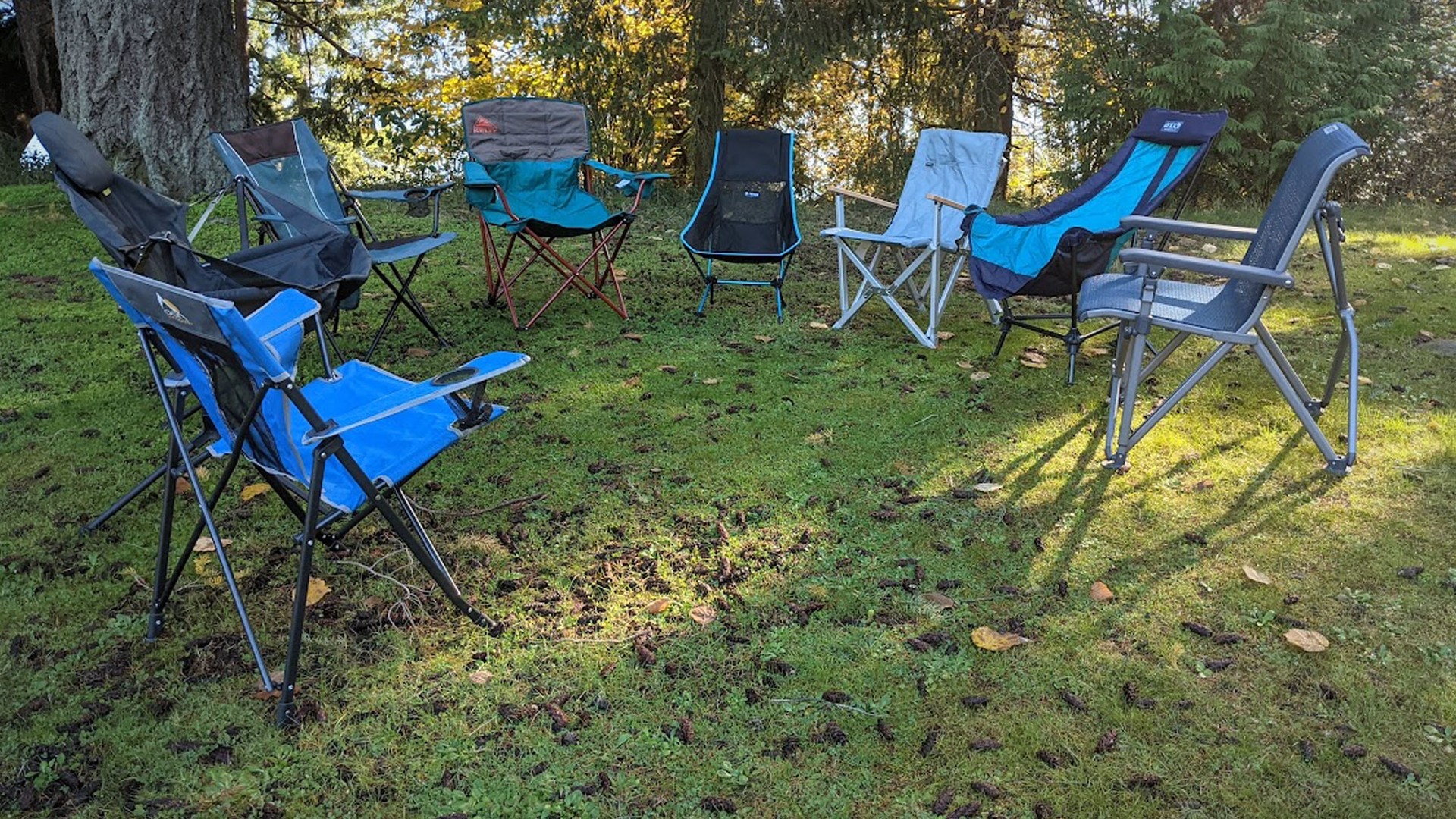
Spring Outdoor Gear Essentials 2026: Fishing, Camping & Turkey Season
Complete spring outdoor gear guide covering coolers, tackle boxes, fishing lures, camping chairs, bug protection, and turkey season essentials. YETI, RTIC, Plano, Thermacell, and more reviewed with prices.
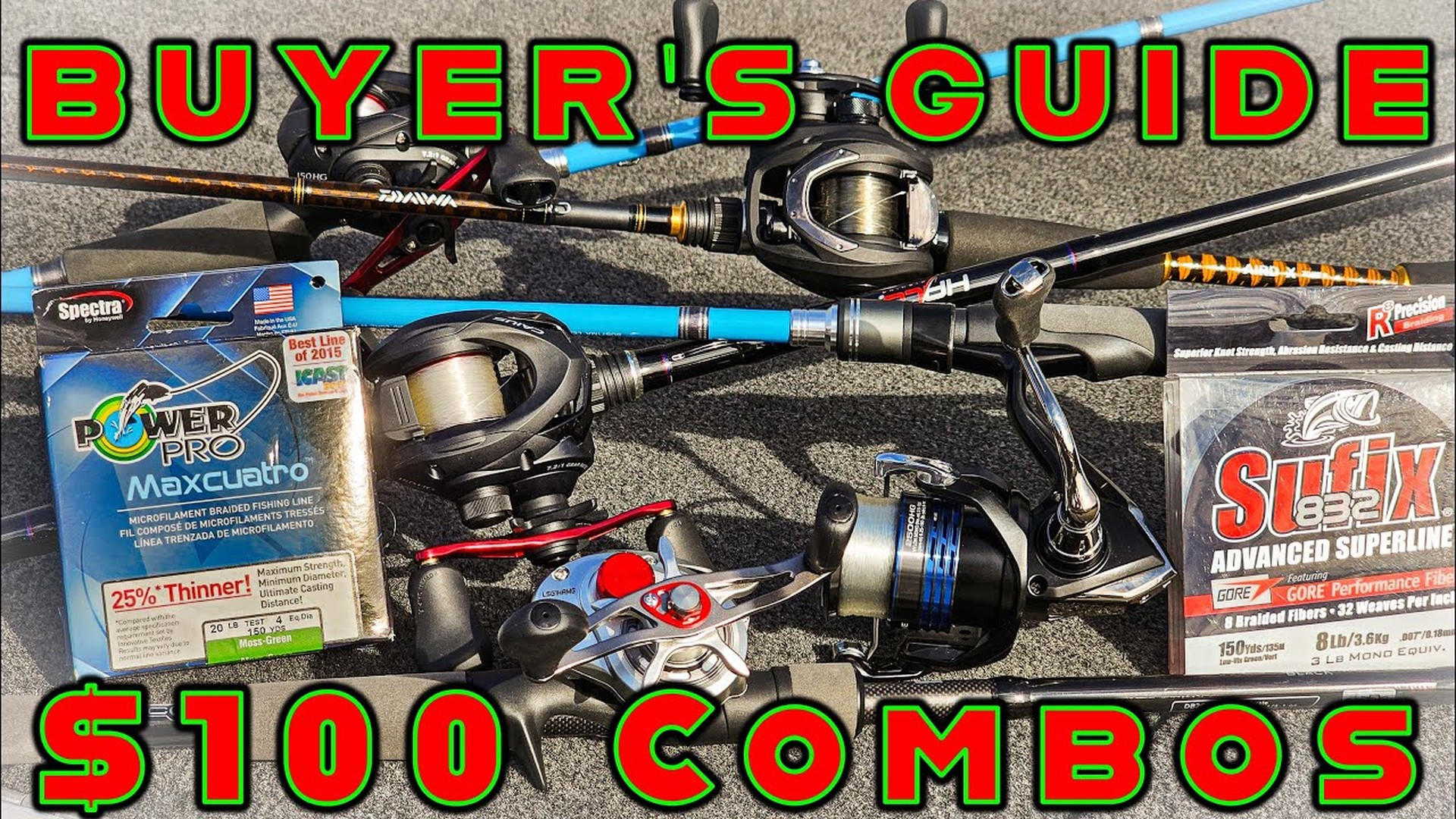
Best Fishing Rod & Reel Combos 2026: Bass, Walleye & Panfish Picks
Expert-tested rod and reel combos from $60 to $500. Shimano, Abu Garcia, St. Croix, Lew's and Daiwa compared. Spinning vs baitcasting, power/action guide, and best combo for every species and technique.
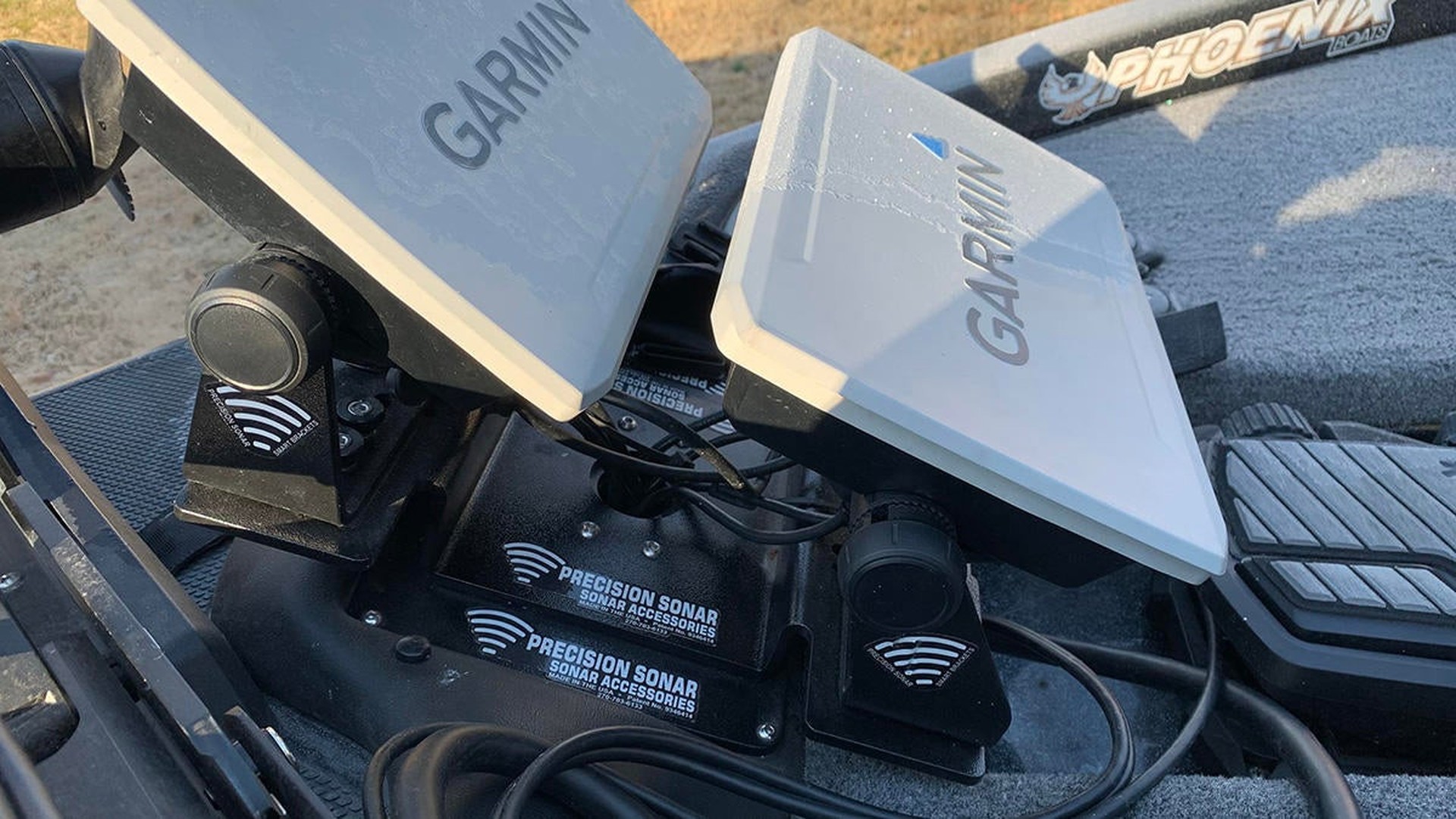
Best Fish Finders for 2026: Sonar, GPS & Live Imaging Compared
Expert-tested fish finder reviews from $200 to $2,000+. Garmin ECHOMAP, Lowrance HOOK, Humminbird HELIX compared. Sonar types explained, GPS mapping, live imaging technology & installation guide for kayak, bass boat & ice fishing.