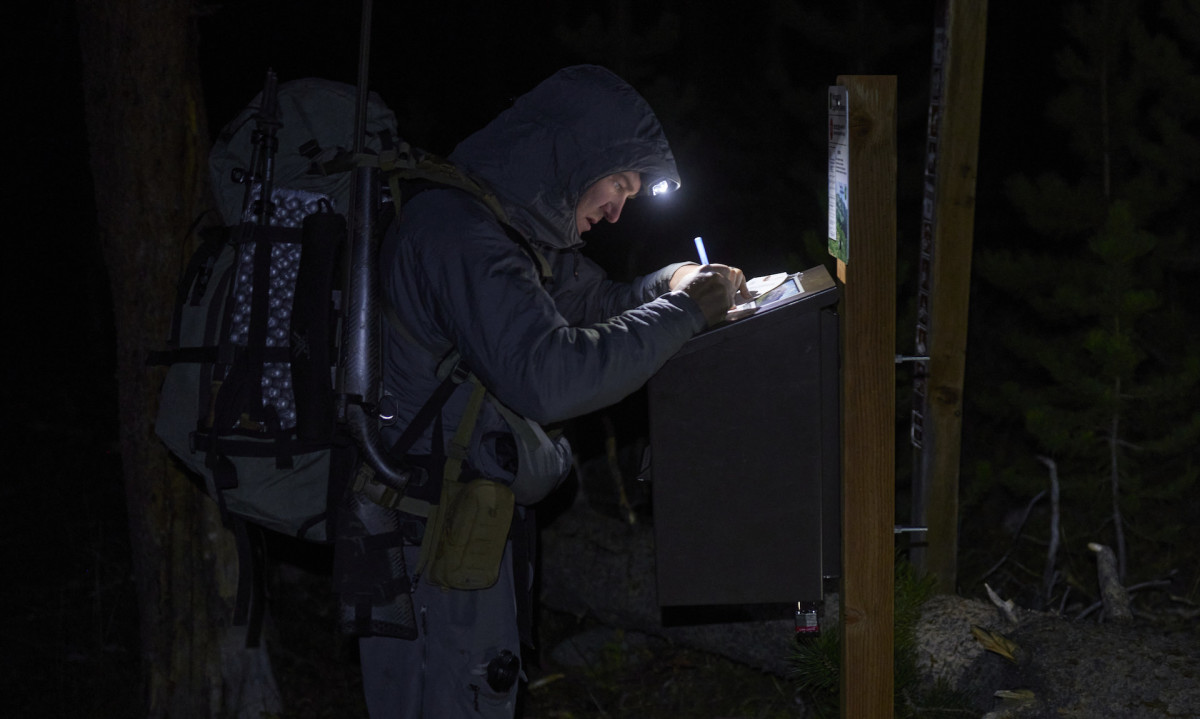
Best Hunting Headlamps 2026: Hands-On Reviews
Affiliate Disclosure: This article contains affiliate links. If you purchase through these links, we may earn a commission at no extra cost to you. This helps support our site and allows us to continue creating in-depth gear reviews. Our recommendations are based on independent testing and research.
Every hunt starts and ends in the dark. Whether you're navigating to your tree stand before dawn, blood trailing after an evening shot, or processing game in the field, a reliable headlamp is non-negotiable hunting gear. Here are the best hunting headlamps for 2026, tested in the conditions that matter.
What Makes a Good Hunting Headlamp
A hunting headlamp has different requirements than a general outdoor headlamp:
- Red/green light modes: White light destroys your night vision and can spook game. Red and green light modes preserve your night adaptation and are less visible to deer (which see poorly in the red spectrum).
- Low-light mode: You need a dim setting for quiet navigation. A headlamp that only blasts 500 lumens is useless for walking to a stand without alerting every deer in the county.
- High-output mode: For blood trailing and emergency situations, you need a powerful white light mode.
- Simple controls: Cold, gloved hands need to operate the headlamp by feel. Complicated multi-button interfaces are a liability in the field.
- Battery life: At minimum, your headlamp should last a full hunting day (16+ hours) on low mode. Replaceable batteries are preferred over rechargeable-only models—you can carry spares in the field.
- Weight and comfort: You'll wear it on your head or hat for hours. Heavy, poorly balanced headlamps cause headaches and fatigue.
Our Top Picks
Quick Recommendations
- Best Overall: Petzl Tactikka+ – Perfect balance of features and weight
- Best Premium: Princeton Tec Vizz II – Brightest output with hunting-specific modes
- Best Budget: Energizer Vision HD+ Focus – Reliable and affordable
- Best for Blood Trailing: Primos Bloodhunter HD – Purpose-built for tracking
- Best Ultralight: Nitecore NU25 – Featherlight at just 1 oz
1. Petzl Tactikka+ – Best Overall
The Tactikka+ was designed for military and tactical use, which translates perfectly to hunting applications. It features a red light mode for stealth, a phosphorescent reflector for locating it in the dark, and simple single-button operation that works flawlessly with gloves.
Key Features
- Max Output: 350 lumens (white)
- Red Light: Yes, with constant and strobe modes
- Weight: 3.0 oz (with batteries)
- Battery: 3 AAA (replaceable) or CORE rechargeable
- Burn Time: 130 hours (low white), 60 hours (red)
- Water Resistance: IPX4
Field Performance
The Tactikka+ has been our go-to hunting headlamp for three seasons. The red light mode is genuinely useful for predawn navigation without disturbing game. The mixed beam (flood + spot) on white mode provides enough throw for blood trailing while maintaining peripheral vision. Battery life is outstanding—we've gone entire weeklong hunts on a single set of AAAs.
2. Princeton Tec Vizz II – Best Premium
The Vizz II packs serious output into a compact package. With 450 lumens of output and multiple color options (white, red, green, blue), it covers every possible hunting scenario. The regulated output maintains consistent brightness throughout the battery life rather than dimming gradually.
Key Features
- Max Output: 450 lumens
- Light Colors: White, red, green, blue LEDs
- Weight: 3.6 oz
- Battery: 3 AAA
- Burn Time: 150 hours (low), 3 hours (max)
- Water Resistance: IPX7 (submersible)
3. Primos Bloodhunter HD – Best for Blood Trailing
The Bloodhunter HD is purpose-built for the specific task of following blood trails. Its specialized light spectrum makes blood appear to glow against the background—dried blood on leaves, faint drops on grass, and smears on bark all pop under this light. If you've ever lost a blood trail in the dark, this headlamp pays for itself on the first recovery.
Key Features
- Blood Tracking Mode: Specialized spectrum highlights blood
- White Light: Yes, standard white mode included
- Weight: 4.2 oz
- Battery: 3 AAA
- Beam Distance: 100+ yards
4. Energizer Vision HD+ Focus – Best Budget
At under $25, the Vision HD+ Focus delivers remarkable performance. The adjustable focus beam switches from wide flood to tight spot, the IPX4 water resistance handles rain, and the 350-lumen output is plenty bright for any hunting task.
Key Features
- Max Output: 350 lumens
- Red Light: Yes, red night vision mode
- Weight: 5.4 oz
- Battery: 3 AAA
- Burn Time: 50 hours (low)
- Adjustable Focus: Flood to spot beam
Headlamp Tips for Hunters
- Use red light walking to your stand: Red light preserves your night vision and is far less visible to deer than white light.
- Mount it on your hat brim: Most headlamp straps fit over baseball-style caps, which keeps the light off your forehead and angled where you're looking.
- Carry backup batteries: Always. No exceptions. Store them in a waterproof bag in your pack.
- Lock the beam direction: Some headlamps have tilt mechanisms that shift under their own weight. Use a small piece of tape or rubber band to lock the tilt angle.
- Practice in daylight: Learn to operate every mode of your headlamp by feel before you need it in the dark with cold, gloved hands.
Final Verdict
The Petzl Tactikka+ is our top recommendation for most hunters—it's lightweight, has the red light mode you need, and the battery life is exceptional. For blood trailing specifically, add a Primos Bloodhunter HD to your kit—it's a specialized tool that has literally saved us from losing deer. And for hunters on a tight budget, the Energizer Vision HD+ Focus proves you don't need to spend big money for reliable illumination.
How to Use a Headlamp Without Spooking Deer
A headlamp is essential for walking to and from your stand in the dark, but misuse can alert every deer on the property to your presence. Here's how to use your headlamp effectively while minimizing impact on deer behavior.
Red/Green Light for Walk-In
Always use red or green light mode when walking to your stand. White light is visible to deer at long distances and triggers alarm responses. Red and green wavelengths are less alarming to wildlife and preserve your night vision, allowing you to navigate with a lower lumen output that's less likely to broadcast your approach.
Some research suggests that deer perceive red light less distinctly than white or blue light due to their eye structure. While no artificial light is truly invisible to deer, red light at low intensity causes significantly less alarm than the full-spectrum white beam most hunters use by default.
Timing Your Light Use
Turn your headlamp off well before reaching your stand area — at least 100 yards out if possible. Navigate the final approach by moonlight, starlight, or memorized landmarks. The closer you are to where deer are likely bedded or feeding, the more critical it is to minimize light exposure.
When leaving your stand after dark, resist the temptation to illuminate the entire woods at maximum brightness. Use the minimum light necessary to navigate safely. Deer that see bright lights moving through the woods at predictable times (evening after evening) will pattern your activity and adjust their movement accordingly.
Blood Trailing Light Protocol
Blood trailing after a shot is the one scenario where bright white light is justified — recovering your deer ethically takes priority over minimizing disturbance. However, if you've determined that you need to wait before trailing (gut shot, poor blood trail), mark the last blood location and leave the area in darkness. Return to trail when appropriate with the full suite of tracking lights.
Headlamp Features for Hunters
Lock Mode
A headlamp that turns on inside your pack wastes battery and can create unwanted light at critical moments. Choose a headlamp with a mechanical lock or electronic lock mode that prevents accidental activation. This small feature prevents the frustration of reaching for your headlamp and finding dead batteries because it's been running inside your pack all day.
Battery Indicator
Nothing ruins a dark walk out of the woods faster than a headlamp dying unexpectedly. Models with battery level indicators — even a simple LED that changes color from green to red — give you advance warning to swap batteries before you're stranded in the dark. Always carry spare batteries in your pack, stored in a waterproof bag separate from the headlamp.
Beam Pattern
Flood beams illuminate a wide area at short range — ideal for general navigation on trails and in camp. Spot beams throw a focused beam at distance — useful for following a blood trail or identifying landmarks at range. Many hunting headlamps offer both flood and spot modes. For all-around hunting use, a headlamp with adjustable beam pattern (or a combined flood/spot beam) provides the most versatility.
Headlamp Maintenance
- Remove batteries during storage: Batteries left in headlamps during the off-season can corrode and damage contacts. Remove batteries before storing and keep them in a separate, dry container.
- Clean contacts periodically: Use a pencil eraser or fine sandpaper to clean battery contacts if you notice intermittent operation or dimming. Corrosion on contacts is the leading cause of headlamp failure.
- Replace O-rings: Waterproof headlamps use rubber O-rings to seal the battery compartment. These degrade over time and with temperature extremes. Replace annually or whenever you notice water ingress.
- Test before every hunt: A 10-second test the night before your hunt costs nothing. Finding out your headlamp doesn't work while standing in a dark parking lot at 5 AM costs you time, composure, and potentially the hunt.
Red vs. Green vs. White Light: When to Use Each
Most quality hunting headlamps offer multiple light color modes. Understanding when to use each maximizes your effectiveness and minimizes disturbance:
- Red light: Best for preserving your night vision. Use red mode when walking to your stand in the dark, checking your phone, or any task where you'll need to see in the dark again soon after turning the light off. Red light is also less visible to deer at distance, making it the safest choice when near your hunting area.
- Green light: Offers a compromise between visibility and stealth. Green light illuminates blood exceptionally well, making it the preferred choice for nighttime blood trailing. Many experienced trackers use green exclusively when following a blood trail because it makes even small drops stand out against soil and leaves.
- White light: Maximum illumination for situations where brightness matters more than stealth. Use white light for navigating treacherous terrain, field dressing, packing out meat, or any task well away from where you'll be hunting. White light provides the truest color rendering, essential when you need to accurately assess a blood trail's color (bright red arterial vs. dark liver/gut blood).
Battery Types: Rechargeable vs. Disposable
Rechargeable headlamps save money long-term and provide consistent brightness as the battery drains (LED drivers maintain output until the battery is nearly depleted, then shut off abruptly). Disposable battery headlamps dim gradually as batteries drain, providing warning before failure. For safety, carry a backup with the opposite battery type — if your primary is rechargeable, keep a disposable-battery backup. Lithium disposable batteries (Energizer Ultimate Lithium) outperform alkalines dramatically in cold weather and weigh less. They cost more per battery but last 3-4x longer, making them cheaper per hour of use in demanding conditions.
Headlamp Positioning Tips
Most hunters default to wearing their headlamp on their head, but alternative mounting positions solve common problems. When blood trailing, wearing the headlamp around your neck aimed downward keeps the beam at ground level where you need it. Mounting the headlamp on a hat brim rather than a strap provides a narrower, more focused beam. For treestand use, clip the headlamp to your stand's shooting rail or safety bar to provide hands-free light for organizing gear or preparing equipment at first light without the beam bouncing with every head movement.
Backup Light Strategy
Never rely on a single light source in the woods. Carry a compact backup light — a small keychain flashlight ($10-15) or a second headlamp weighing just 2-3 ounces provides critical redundancy. Primary headlamp batteries die, switches fail, and drops happen. Being stranded in complete darkness miles from your truck with no light is a genuine safety emergency. The backup light doesn't need to be powerful or feature-rich — it just needs to work when your primary fails. Clip it to your pack strap or vest where you can find it by feel in total darkness.
A headlamp is the unsung hero of your hunting gear kit. You'll use it more hours per season than your rangefinder, more mornings than your grunt tube, and more evenings than your binoculars. Invest in quality, maintain it properly, and never leave for a hunt without it. The woods are no place to be caught in the dark unprepared.
Where to Buy Headlamps
Check Price on Amazon →
Check Price on Amazon →
Check Price on Amazon →
Check Price on Amazon →
Get More Gear Guides
Join 10,000+ hunters and get our free Ultimate Gear Checklist plus weekly reviews delivered to your inbox.
Share this guide:
Related Articles
Spring Outdoor Gear Essentials 2026: Fishing, Camping & Turkey Season
Complete spring outdoor gear guide covering coolers, tackle boxes, fishing lures, camping chairs, bug protection, and turkey season essentials. YETI, RTIC, Plano, Thermacell, and more reviewed with prices.
Best Fishing Rod & Reel Combos 2026: Bass, Walleye & Panfish Picks
Expert-tested rod and reel combos from $60 to $500. Shimano, Abu Garcia, St. Croix, Lew's and Daiwa compared. Spinning vs baitcasting, power/action guide, and best combo for every species and technique.
Best Fish Finders for 2026: Sonar, GPS & Live Imaging Compared
Expert-tested fish finder reviews from $200 to $2,000+. Garmin ECHOMAP, Lowrance HOOK, Humminbird HELIX compared. Sonar types explained, GPS mapping, live imaging technology & installation guide for kayak, bass boat & ice fishing.