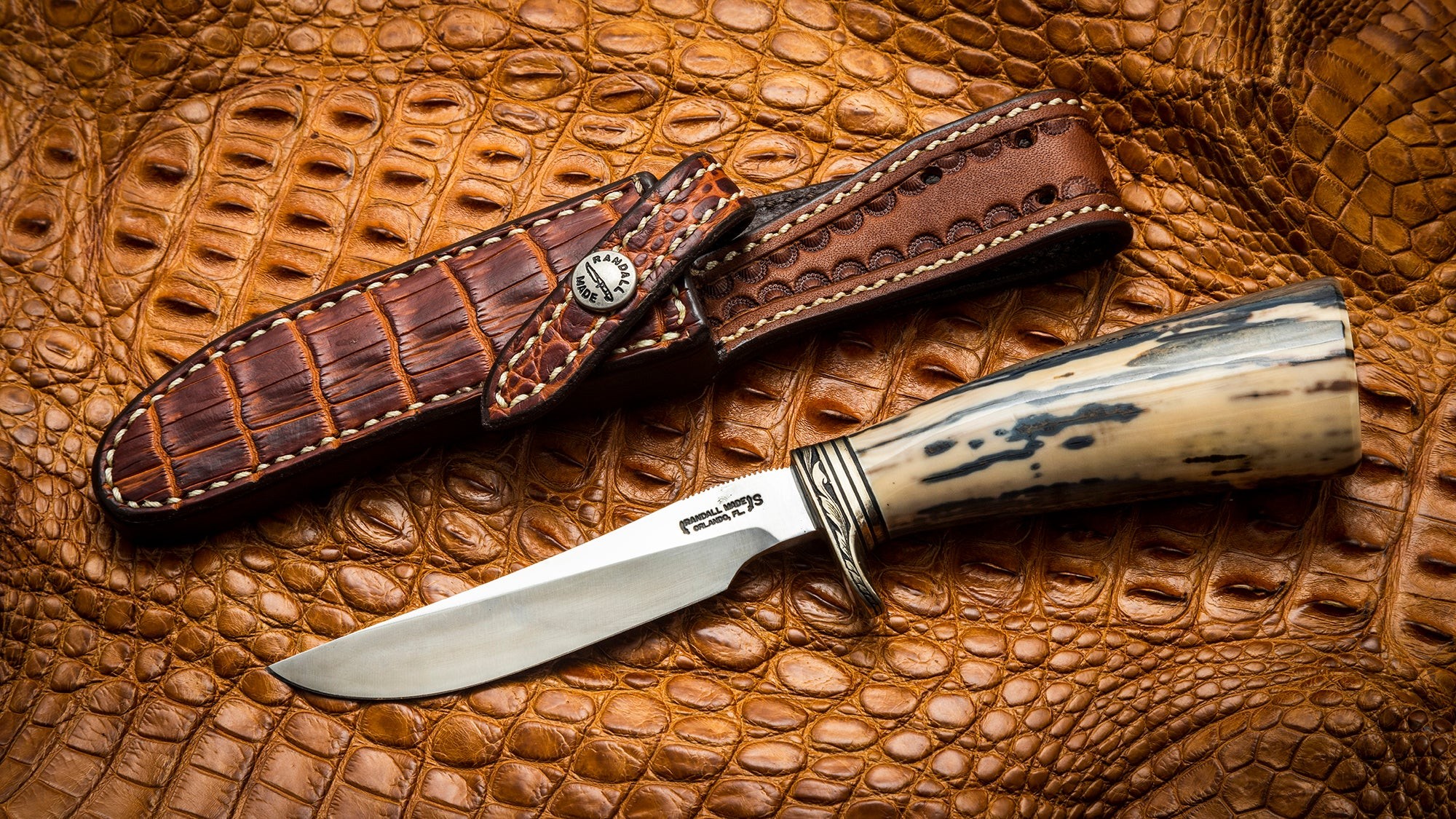
Best Hunting Knives Under $100: Budget Champions
Affiliate Disclosure: This article contains affiliate links. If you purchase through these links, we may earn a commission at no extra cost to you. This helps support our site and allows us to continue creating in-depth gear reviews. Our recommendations are based on independent testing and research.
A quality hunting knife is the one tool you'll use on every single hunt — from field dressing to splitting kindling to cutting rope. But you don't need to spend $300 on a custom blade to get exceptional performance. After testing 12 knives under $100 across two hunting seasons, here are the budget champions that perform like knives costing twice their price.
What Makes a Great Hunting Knife?
Before we get to the picks, let's establish what separates a good hunting knife from a gas station special. The four pillars of hunting knife quality are blade steel, edge geometry, handle ergonomics, and sheath design. Get all four right, and you have a knife that will serve you for decades. Get any one wrong, and you'll be cursing your blade choice at the worst possible moment — elbow-deep in a deer carcass.
Blade Steel
Steel determines how well your knife holds an edge, how easy it is to sharpen, and how resistant it is to corrosion. For hunting knives under $100, you'll encounter these steels most often:
- 440C Stainless: Good corrosion resistance, decent edge retention, easy to sharpen. The workhorse of budget hunting knives. Not the longest-lasting edge, but it's easy to touch up in the field with a pocket stone.
- 154CM: A step up from 440C. Better edge retention while maintaining reasonable corrosion resistance. Found in upper-budget knives from Benchmade and Buck.
- D2 Tool Steel: Excellent edge retention — the best you'll find under $100. Semi-stainless, so it requires slightly more care to prevent rust spots. Worth the trade-off for hunters who want an edge that lasts through multiple field dressings.
- S30V: Premium steel that occasionally appears in the $80-100 range. Outstanding edge retention and corrosion resistance. If you find an S30V knife under $100, buy it.
Edge Geometry
The shape of the blade edge matters as much as the steel. For hunting, you want a blade geometry that slices cleanly through hide and connective tissue without requiring excessive force. A convex or Scandinavian grind excels at this — they create a strong edge that slices rather than pushes through material. Hollow grinds are razor-sharp but more fragile, best for delicate skinning work rather than general-purpose hunting use.
Handle Ergonomics
Your grip is everything when your hands are cold, wet, and covered in blood and fat. A hunting knife handle must provide positive grip in the worst conditions. Look for textured rubber or Micarta handles with finger guards or choils that prevent your hand from sliding onto the blade. Smooth wood handles look beautiful in photos but become dangerously slick in field conditions.
Sheath Quality
A knife is only as good as the sheath that carries it. The sheath must retain the knife securely during physical activity (climbing, crawling, bending), allow one-handed extraction, and protect the blade. Kydex and molded polymer sheaths generally outperform leather for hunting because they don't absorb blood and moisture, maintain their shape permanently, and allow positive snap-in retention.
Our Top Picks
Quick Recommendations
- Best Overall: Benchmade Steep Country — Best all-around performance under $100
- Best Value: Buck 119 Special — Classic design, legendary warranty, under $60
- Best Skinning Knife: Havalon Piranta-Edge — Replaceable surgical blades, ultimate sharpness
- Best Fixed Blade: Morakniv Companion Heavy Duty — Incredible quality for under $20
- Best Folder: Buck 110 Folding Hunter — The icon, perfected over 60 years
Detailed Reviews
1. Benchmade Steep Country — Best Overall
Price: ~$95 | Steel: S30V | Blade: 3.5" drop point | Weight: 2.6 oz | Handle: Santoprene
The Steep Country is the knife I reach for most often. At just 2.6 ounces, it disappears on your belt or in your pack. The S30V steel is the best blade steel you'll find anywhere near this price — it holds an edge through multiple field dressings and has enough corrosion resistance for wet conditions. The 3.5-inch drop point blade is the ideal size for big game field dressing — long enough for opening cuts, short enough for detail work around joints.
The Santoprene handle provides excellent grip even when wet with blood. The ergonomics are outstanding — the handle fills your palm naturally, and the finger choil prevents forward slipping. The included sheath is basic but functional.
I field dressed four whitetail deer and two antelope with the Steep Country before needing to touch up the edge. That's exceptional performance for any knife, let alone one under $100. The edge stropped back to shaving-sharp in about 30 seconds on a ceramic rod.
Cons: The sheath is adequate but not great — serious users will want to upgrade to an aftermarket Kydex sheath. The blade is thin, which is great for slicing but means it shouldn't be used for batoning or heavy prying tasks.
2. Buck 119 Special — Best Value
Price: ~$55 | Steel: 420HC | Blade: 6" clip point | Weight: 7.5 oz | Handle: Phenolic
The Buck 119 has been in continuous production since 1902, and there's a reason: it works. The 6-inch clip point blade handles everything from field dressing to campsite chores. The 420HC steel won't win any edge retention competitions, but Buck's proprietary heat treatment makes it perform above its steel class, and it sharpens easily in the field with a pocket stone.
The 119 is heavier than modern alternatives at 7.5 ounces, but that weight translates to a substantial, confident feel in hand. The phenolic handle is grippy and durable, and the included leather sheath is genuinely well-made — unusual for a factory sheath at this price point.
Buck's "Forever Warranty" is the closer. If anything ever goes wrong, Buck repairs or replaces the knife. I've personally sent in a 119 that was 15 years old with a chipped tip, and Buck re-profiled the blade and returned it within two weeks at no charge.
Cons: Heavy by modern standards. The 420HC steel requires more frequent sharpening than premium steels. The clip point tip is thinner than a drop point, making it slightly more prone to tip breakage if used for prying.
3. Havalon Piranta-Edge — Best Skinning Knife
Price: ~$40 | Steel: Surgical steel (replaceable) | Blade: 2.75" | Weight: 3 oz | Handle: ABS
The Havalon Piranta takes a completely different approach: instead of sharpening a blade, you replace it. The scalpel-sharp surgical steel blades are sharper than anything you can achieve with a traditional knife — they cut through hide, connective tissue, and silver skin with almost zero effort. When a blade dulls (after 1-2 field dressings), you pop it off and snap on a fresh one. Total time: 10 seconds.
For hunters who cape their own trophies, the Piranta is invaluable. The surgical sharpness allows you to make precision cuts around eyes, ears, and lips without the risk of cutting through the hide. Taxidermists consistently report receiving better capes from hunters who use replaceable-blade knives.
Each knife comes with 12 replacement blades, and additional blades cost about $1 each. Over a season, you'll spend $10-15 on blades — far less than the time and equipment needed to maintain a traditional knife at the same sharpness level.
Cons: The thin blades are fragile — they'll snap if you hit bone or try to use them for tasks beyond cutting. You need a traditional knife alongside the Havalon for splitting the pelvis and ribcage. The folding mechanism requires two hands to deploy safely.
4. Morakniv Companion Heavy Duty — Best Budget Fixed Blade
Price: ~$16 | Steel: Carbon Steel or Stainless | Blade: 4.1" | Weight: 4.1 oz | Handle: Rubber
The Morakniv Companion might be the best value in all of hunting gear. At $16, it costs less than a decent lunch, and it performs like a knife costing five times as much. The Scandinavian grind creates an edge that slices through hide and meat with startling efficiency. The rubber handle provides excellent grip in all conditions. The blade geometry is ideal for both field dressing and general camp tasks.
The carbon steel version takes a sharper edge and is easier to sharpen than the stainless version, but it requires more care to prevent rust (wipe dry after use, apply a light oil coat for storage). The stainless version sacrifices a small amount of edge performance for maintenance-free corrosion resistance. For hunting, I recommend the carbon steel version — the edge difference matters more than the convenience difference in practical use.
I've used Morakniv knives as my backup field dressing knife for years. They're sharp enough to do the job, cheap enough that losing one doesn't ruin your day, and reliable enough to trust with important tasks. Every hunter should have one in their pack as a backup regardless of what primary knife they carry.
Cons: The plastic sheath is adequate but not great — it lacks a positive retention click. The handle is comfortable but plain. It doesn't look or feel premium. But for $16, the performance-to-price ratio is unmatched in the entire knife market.
5. Buck 110 Folding Hunter — Best Folder
Price: ~$55 | Steel: 420HC | Blade: 3.75" clip point | Weight: 7.2 oz | Handle: Ebony wood + brass
The Buck 110 is the most iconic folding hunting knife ever made. First introduced in 1964, it essentially created the modern lockback folder category. The 3.75-inch blade is long enough for field dressing, the lockback mechanism is tank-solid, and the classic ebony wood and brass handle has a warmth and character that synthetic handles can't match.
Modern 110s benefit from Buck's improved heat treatment of 420HC steel, giving them better edge retention than vintage models. The blade comes factory-sharp and maintains a working edge through moderate use before needing a touchup. The lockback mechanism is one of the strongest in any folding knife — it's essentially impossible for the blade to close on your hand during use.
The 110's primary advantage as a hunting knife is portability. It rides in a belt sheath that's barely noticeable, and it transitions seamlessly from hunting to daily carry to truck knife. Many hunters who carry a fixed blade for primary field dressing keep a 110 as a versatile backup that handles everything else.
Cons: Heavy for a folder at 7.2 ounces. The smooth wood handle can be slippery when wet — consider the rubber-handled Buck 112 Ranger if grip is a priority. Two-handed opening (no thumb stud or flipper) is slower than modern folders.
How to Choose Your Hunting Knife
Fixed Blade vs. Folder
For primary field dressing, a fixed blade is always stronger, easier to clean, and more reliable. There's no pivot mechanism to fail, no hinge to accumulate blood and grime, and the full-tang construction handles lateral forces that would stress a folder's lock. If you only carry one knife, make it a fixed blade.
Folders excel as secondary knives for lighter tasks: cutting rope, opening packages, whittling, food prep. They're also better for daily carry and transition between hunting and non-hunting contexts. The ideal setup is a fixed blade primary plus a folder backup.
Blade Length
For big game field dressing, 3-4 inches is the sweet spot. Shorter blades lack the reach for opening cuts on large animals. Longer blades (5-6 inches) add versatility for camp tasks but increase weight and reduce precision for detail work. The 3.5-inch blade on the Benchmade Steep Country is our Goldilocks recommendation.
Blade Shape
- Drop Point: The best all-around hunting blade shape. The convex curve provides a strong tip that resists breakage while offering a long belly for slicing. Our top recommendation for most hunters.
- Clip Point: A thinner, more pointed tip that excels at piercing and detail work. Good for caping and precision cutting, but the thin tip is more fragile.
- Gut Hook: A hook-shaped cutout near the spine designed for opening animal hide without puncturing organs. Useful for field dressing but makes the knife a single-purpose tool. Harder to sharpen than standard blade shapes.
Knife Care Basics
- Clean after every use: Blood is acidic and will corrode any steel if left in contact. Wash with soap and water, dry thoroughly.
- Oil the blade: A light coat of mineral oil or Tuf-Glide prevents corrosion during storage. Essential for carbon steel, recommended for stainless.
- Sharpen regularly: A sharp knife is safer than a dull one. Learn to maintain your edge with a field stone or ceramic rod.
- Store dry: Never store a knife in a leather sheath long-term — leather retains moisture and promotes corrosion. Store the knife separately in a dry location.
The Bottom Line
You don't need a $300 knife to field dress a deer effectively. The Benchmade Steep Country at $95 offers premium S30V steel performance that rivals knives costing twice as much. The Morakniv Companion at $16 proves that outstanding cutting performance doesn't require outstanding prices. And the Havalon Piranta's replaceable-blade system delivers surgical sharpness that no traditional knife can match at any price.
After 52 years of carrying knives in the field, I've learned this: the best hunting knife is the sharp one on your belt when you need it. Buy quality within your budget, keep it sharp, and it will serve you for a lifetime of hunts.
Where to Buy Hunting Knives Under $100
Check Price on Amazon →
Check Price on Amazon →
Check Price on Amazon →
Check Price on Amazon →
Get More Gear Guides
Join 10,000+ hunters and get our free Ultimate Gear Checklist plus weekly reviews delivered to your inbox.
Share this guide:
Related Articles
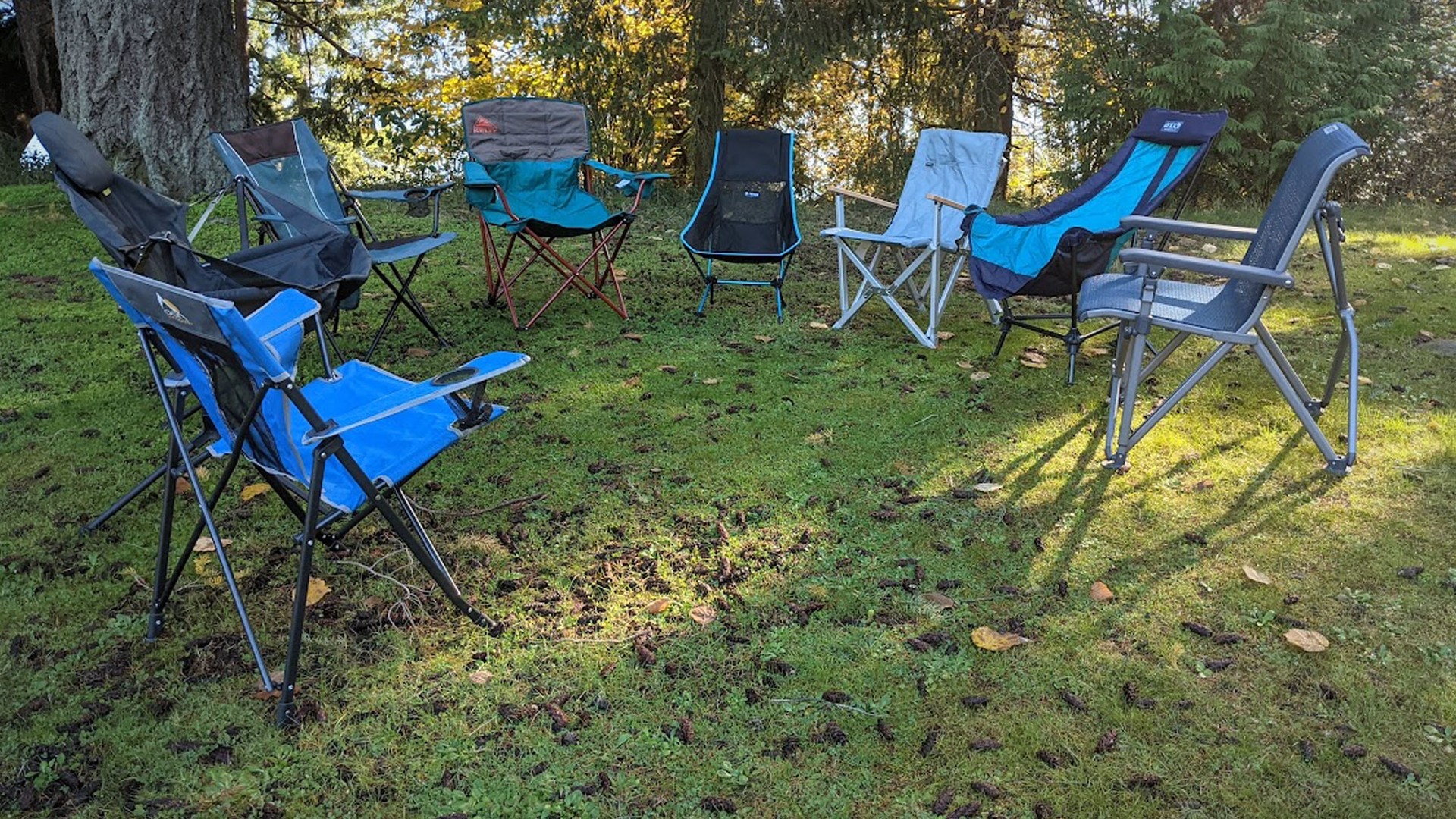
Spring Outdoor Gear Essentials 2026: Fishing, Camping & Turkey Season
Complete spring outdoor gear guide covering coolers, tackle boxes, fishing lures, camping chairs, bug protection, and turkey season essentials. YETI, RTIC, Plano, Thermacell, and more reviewed with prices.
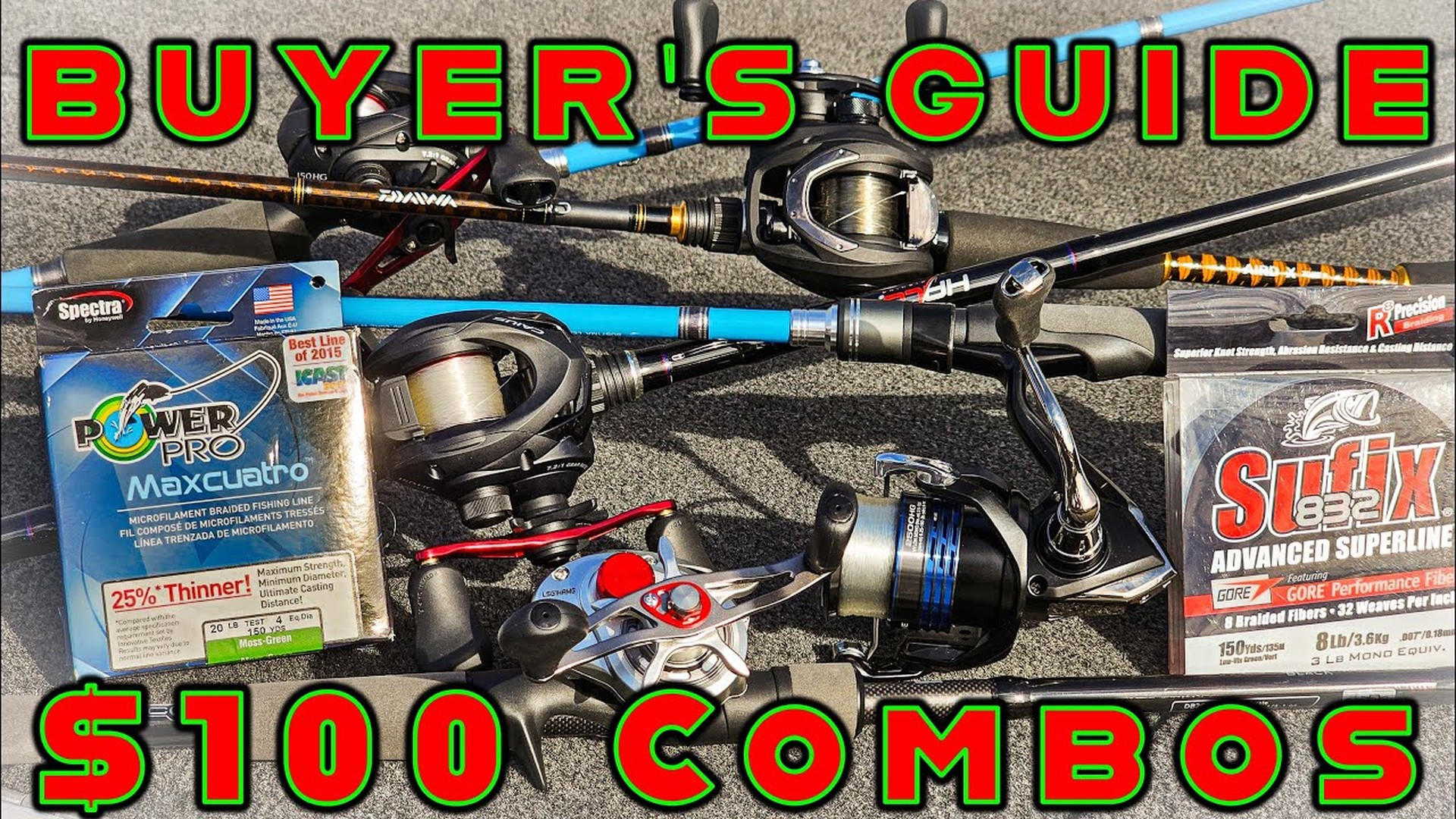
Best Fishing Rod & Reel Combos 2026: Bass, Walleye & Panfish Picks
Expert-tested rod and reel combos from $60 to $500. Shimano, Abu Garcia, St. Croix, Lew's and Daiwa compared. Spinning vs baitcasting, power/action guide, and best combo for every species and technique.
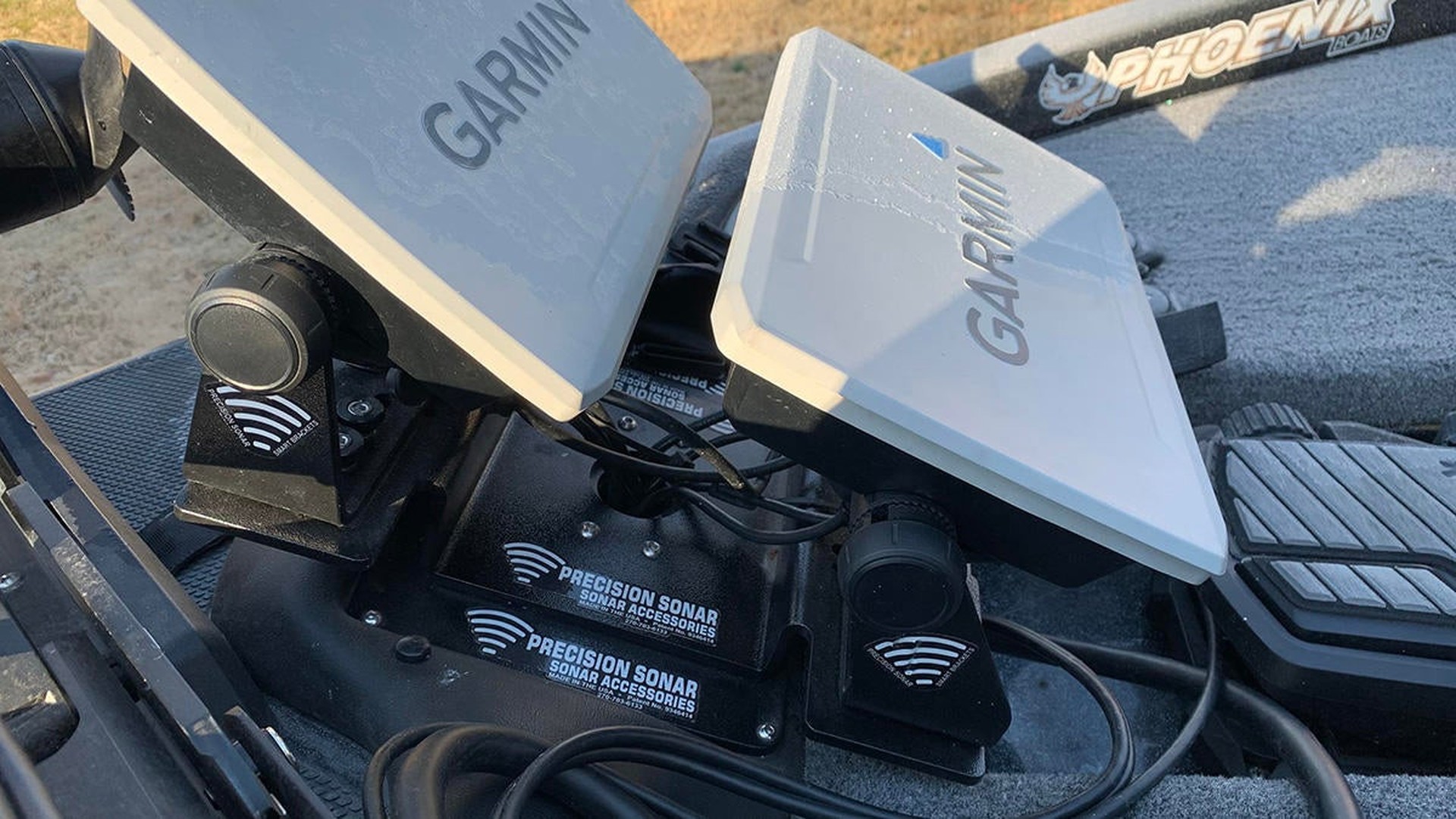
Best Fish Finders for 2026: Sonar, GPS & Live Imaging Compared
Expert-tested fish finder reviews from $200 to $2,000+. Garmin ECHOMAP, Lowrance HOOK, Humminbird HELIX compared. Sonar types explained, GPS mapping, live imaging technology & installation guide for kayak, bass boat & ice fishing.