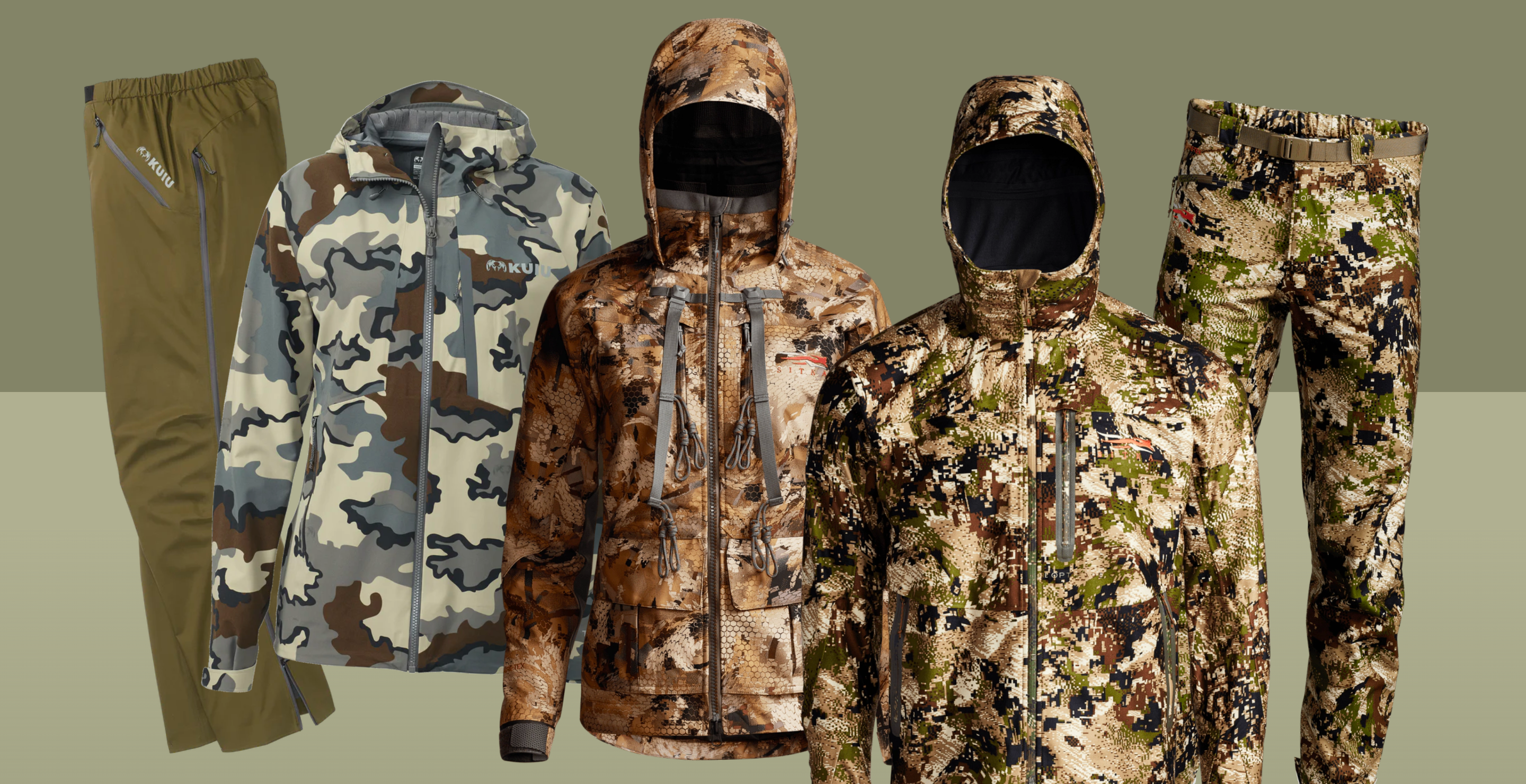
Best Hunting Rain Gear: Waterproof Jacket Reviews
Affiliate Disclosure: This article contains affiliate links. If you purchase through these links, we may earn a commission at no extra cost to you. This helps support our site and allows us to continue creating in-depth gear reviews. Our recommendations are based on independent testing and research.
Rain doesn't stop deer from moving—in fact, light rain can improve deer movement by dampening sound, reducing scent dispersal, and making deer feel more secure. But wet, cold, and miserable hunters make poor decisions and leave the woods early. Quality rain gear keeps you hunting when conditions turn, and often those are the days when the biggest bucks move. Here's our guide to the best hunting rain gear for 2026.
Why Hunting Rain Gear Is Different
You can't just throw on a standard rain jacket and call it good. Hunting demands specific performance from rain gear that general outdoor apparel doesn't always deliver:
- Silence: Many waterproof materials are noisy—the crinkle of a hardshell jacket will spook game at 100 yards. Hunting rain gear must be quiet enough for close encounters.
- Breathability: You need waterproofing that lets body moisture escape. Getting wet from the inside (sweat) is just as bad as getting wet from the outside (rain).
- Camouflage: Bright colors and reflective logos are non-starters. Hunting rain gear needs to disappear into the landscape.
- Fit over layers: Rain gear goes over your existing layering system, so it needs to accommodate bulk without restricting movement or draw.
Understanding Waterproof-Breathable Technology
Gore-Tex
The industry standard. Gore-Tex membranes are reliably waterproof and breathable. Different versions offer varying levels of performance: Gore-Tex Active for high-output activities, Gore-Tex Pro for maximum durability and protection, and standard Gore-Tex for general use.
Proprietary Membranes
Many hunting brands have developed their own waterproof-breathable technologies. First Lite uses Toray membrane, Sitka uses Gore-Tex in premium lines and proprietary tech in mid-range, and Kuiu uses their VIAS Shield technology. Performance varies, but the best proprietary membranes rival Gore-Tex at lower price points.
DWR (Durable Water Repellent) Coatings
Every waterproof jacket has a DWR coating on the face fabric that causes water to bead and roll off rather than soaking into the outer layer. DWR degrades over time with use and washing. Reapply DWR treatments (like Nikwax TX.Direct) every season to maintain performance.
Our Top Picks
Quick Recommendations
- Best Overall: Sitka Cloudburst Jacket – Quiet, breathable, bomb-proof waterproofing
- Best Value: First Lite Uncompahgre Puffy 2.0 – Versatile insulated waterproof
- Best Budget: Frogg Toggs Pro Action – Ultra-lightweight, ultra-affordable
- Best Ultralight: Kuiu Kutana Storm Shell – Packs tiny, performs big
- Best for Cold Rain: Sitka Stratus Jacket – Insulated and waterproof
1. Sitka Cloudburst Jacket – Best Overall
The Cloudburst represents Sitka's best rain protection technology in a quiet, hunting-specific package. Built with Gore-Tex 3L, it's completely waterproof while remaining remarkably breathable during active hunts.
Key Features
- Waterproofing: Gore-Tex 3-Layer
- Weight: 18 oz (Medium)
- Pockets: 4 zippered (2 chest, 2 hand)
- Hood: Helmet-compatible, adjustable
- Camo Patterns: Optifade Subalpine, Optifade Open Country, Optifade Elevated II
Field Performance
We wore the Cloudburst through three full days of rain during an elk hunt in Montana. Not a drop of water penetrated, and the Gore-Tex 3L construction allowed sweat to escape during steep climbs. The quiet face fabric didn't alert elk at close range—critical for spot-and-stalk hunting in rain.
2. Frogg Toggs Pro Action – Best Budget
At under $40, Frogg Toggs are the value champions of the rain gear world. They're not pretty, they're not durable, but they're completely waterproof and incredibly lightweight. Every hunter should keep a set in their pack as emergency rain protection.
Key Features
- Waterproofing: Polypropylene nonwoven fabric
- Weight: 12 oz (jacket + pants)
- Packability: Fits in a quart-sized bag
- Available Colors: Mossy Oak camo, Realtree camo, solid colors
Honest Assessment
Frogg Toggs won't win any fashion awards, and they'll tear if you push through thick brush. But for the price, nothing else comes close to their waterproof-to-cost ratio. They're the rain gear equivalent of a spare tire—always have them, hope you don't need them, grateful when you do.
Rain Gear Maintenance
- Wash with tech wash: Regular detergent leaves residue that degrades DWR and waterproof membranes. Use Nikwax Tech Wash or Grangers Performance Wash.
- Reapply DWR: After washing, apply a DWR treatment. Spray-on products work well for hunting gear since you can target specific areas.
- Dry completely: Never store rain gear while damp. Mold and mildew can permanently damage waterproof membranes.
- Avoid campfire smoke: Smoke particles clog membrane pores and degrade DWR. Keep rain gear away from campfires and wood stoves.
- Check seam tape: Seam tape can delaminate over time. Inspect taped seams annually and apply seam sealer if peeling starts.
Final Verdict
The best rain gear is the rain gear you actually have with you when the sky opens up. At minimum, carry a lightweight emergency set like Frogg Toggs in your pack at all times. If budget allows, invest in a quality hunting-specific rain jacket like the Sitka Cloudburst or First Lite Uncompahgre—they'll keep you hunting comfortably when fair-weather hunters head home, and those extra hours in the field are when trophies are earned.
Understanding Waterproof Ratings
Waterproof performance is measured in millimeters of water column (mm) — how much water pressure the fabric can withstand before leaking. Here's what the numbers mean in practical terms:
- 5,000mm: Light rain and brief exposure. Adequate for emergency rain gear but will wet out in sustained downpour.
- 10,000mm: Moderate rain for extended periods. Sufficient for most hunting conditions that don't involve sitting in heavy rain for hours.
- 20,000mm+: Heavy, sustained rain. Premium Gore-Tex and similar membranes. These handle the worst conditions hunting throws at you — all-day rain hunts, wet brush, and sitting in soaked treestands.
Breathability: The Other Half
A waterproof jacket that doesn't breathe traps your body moisture inside, soaking you from sweat instead of rain. Breathability is measured in grams of moisture vapor per square meter per 24 hours (g/m²/24h). Look for ratings of 10,000g or higher for active hunting. Higher breathability means less internal condensation during walks to the stand and midday temperature swings.
Gore-Tex and eVent membranes provide the best balance of waterproofing and breathability. Budget alternatives like polyurethane (PU) coatings are waterproof but less breathable — fine for stationary hunting, problematic for active pursuits where you generate significant body heat.
Rain Gear Strategy: Matching Gear to Conditions
Light Rain / Drizzle
A DWR-treated soft shell handles light rain without the need for dedicated rain gear. Most quality hunting jackets have enough water resistance for brief showers. If you carry a packable rain jacket as backup, you're covered for unexpected drizzle that turns into real rain.
Moderate Rain
Dedicated rain jacket over your hunting layers. Keep it in your pack and add it when rain starts — wearing rain gear in dry conditions wastes its DWR treatment and causes unnecessary sweating. A rain jacket should be sized to fit over your heaviest hunting layers without restricting movement.
All-Day Heavy Rain
Full rain suit — jacket and pants — with sealed seams. Sit on a waterproof pad in your treestand or blind. Accept that some moisture will eventually penetrate after hours of exposure, and dress your underlayers in wool or synthetic that maintains warmth when damp. A quality rain suit extends your effective hunting time in heavy rain from miserable minutes to productive hours.
Rain Gear Maintenance
Restoring DWR
DWR (Durable Water Repellent) is a treatment applied to the outer fabric that makes water bead and roll off. Over time, dirt, body oils, and washing degrade DWR performance. When water stops beading and starts soaking into the outer fabric (wetting out), the jacket feels damp even though the waterproof membrane underneath is still blocking water.
Restore DWR by:
- Washing the jacket in sport-specific detergent (standard detergent leaves residue that kills DWR).
- Running through a low-heat dryer cycle — heat reactivates factory DWR treatment.
- If heat doesn't restore beading, apply spray-on DWR treatment (Nikwax TX.Direct or similar) and heat-set according to product instructions.
Seam Maintenance
Seam tape prevents water from entering through needle holes along stitched seams. Over time and use, seam tape can peel or crack. Inspect seams annually and apply seam sealer to any areas where tape has failed. A single failed seam along the shoulder or hood can let water pour directly onto your back.
Why Rain Hunting Produces Results
Here's the tactical reason to invest in quality rain gear: rain moves deer. Light to moderate rain provides noise cover that makes deer feel secure moving during daylight hours. The sound of rain on leaves masks footsteps and stand noise, while the reduced scent-carrying ability of humid air gives deer confidence to venture into more open areas.
Research from multiple universities confirms that deer movement increases during light to moderate rain events, particularly during the rut when bucks are already motivated to travel. Heavy rain suppresses movement, but the window immediately after a front passes — when rain transitions to drizzle and then clearing — triggers some of the most intense deer movement of the season.
Rain Gear Layering Systems
Rain gear works best as part of a complete system, not as a standalone solution. The ideal rain-hunting setup layers specifically for wet conditions:
- Base layer: Synthetic or merino wool — never cotton. Cotton absorbs moisture, loses insulation, and takes forever to dry. A wet cotton base layer under rain gear creates a cold, clammy nightmare.
- Insulation layer: Fleece or synthetic puffy. Choose a midlayer that retains warmth when damp. Down collapses when wet and is a poor choice for rain-prone hunts.
- Rain shell (jacket): Your waterproof barrier. Ensure pit zips are available for ventilation during the walk in — overheating under rain gear creates as much internal moisture as the rain itself.
- Rain pants: Full-length side zips allow you to put pants on over boots without removing footwear. This seems minor until you're standing in a downpour trying to pull rain pants over muddy boots.
- Waterproof boots: Your feet are the most rain-vulnerable point. Even excellent rain pants can't prevent water from running down your legs into non-waterproof boots. Ensure your boots are rated and recently treated for waterproofing.
Choosing Between 2-Layer and 3-Layer Construction
Rain gear construction dramatically affects performance and longevity. Two-layer construction bonds the waterproof membrane to the outer fabric, with a hanging liner protecting the membrane from body contact. These jackets are typically lighter and more affordable ($80-150) but the exposed membrane wears faster from friction. Three-layer construction bonds the membrane between the outer fabric and an inner scrim fabric, creating a single unified laminate. This construction is more durable, better at moisture transfer, and handles sustained downpours more reliably — but costs $200-400. For hunters who sit through entire rain events regularly, the 3-layer construction pays for itself in longevity. For hunters who encounter rain occasionally, quality 2-layer gear provides excellent protection at a lower price point.
Pit Zips and Ventilation
The biggest complaint about rain gear is overheating during the walk to your stand. Pit zips — zippered ventilation openings under each arm — solve this problem by allowing heat and moisture to escape without compromising waterproof protection. If your rain jacket doesn't have pit zips, you'll either arrive at your stand soaked in sweat (defeating the purpose of waterproof gear) or strip the jacket off during the walk and risk getting wet. Consider pit zips a must-have feature for any hunting rain jacket, especially if your access route involves more than a quarter-mile walk.
Rain Gear Storage Tips
Stuffing wet rain gear into a bag after a hunt degrades waterproof coatings and promotes mildew growth. After every wet hunt, hang rain gear to air dry in a ventilated area. Once dry, store loosely hung — never tightly packed. Restore DWR coatings with a spray-on treatment (Nikwax TX.Direct or Gear Aid ReviveX) at least once per season, or immediately when you notice water no longer beading on the fabric surface. A rain jacket that wets out is just a fancy windbreaker.
Budget Rain Gear That Actually Works
You don't need to spend $400 on Gore-Tex to stay dry in the deer woods. Frogg Toggs Pro Action ($40-60) has been a hunter favorite for decades because it works — period. It's not the quietest or most durable, but for the price of a box of premium ammunition, you get a fully waterproof suit that handles everything short of a tropical storm. For hunters who encounter rain occasionally rather than hunting through it routinely, Frogg Toggs provides all the protection needed without the premium price tag.
Hunters who can comfortably sit through rain events see more deer than fair-weather hunters. Quality rain gear turns a disadvantage (bad weather) into a competitive advantage (more deer movement, fewer competing hunters). That's worth the investment at every price point.
Where to Buy Rain Gear
Check Price on Amazon →
Check Price on Amazon →
Check Price on Amazon →
Get More Gear Guides
Join 10,000+ hunters and get our free Ultimate Gear Checklist plus weekly reviews delivered to your inbox.
Share this guide:
Related Articles
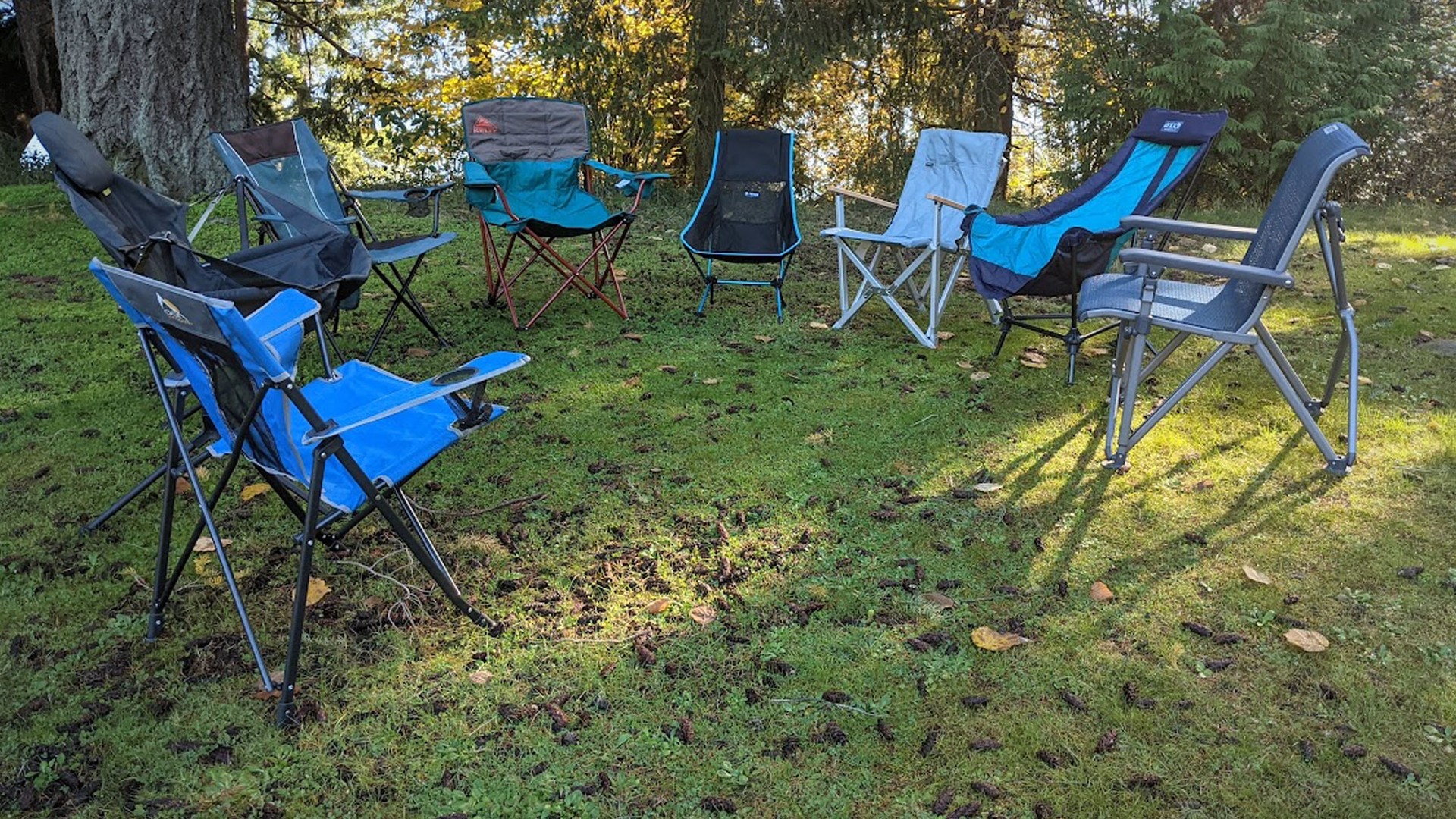
Spring Outdoor Gear Essentials 2026: Fishing, Camping & Turkey Season
Complete spring outdoor gear guide covering coolers, tackle boxes, fishing lures, camping chairs, bug protection, and turkey season essentials. YETI, RTIC, Plano, Thermacell, and more reviewed with prices.
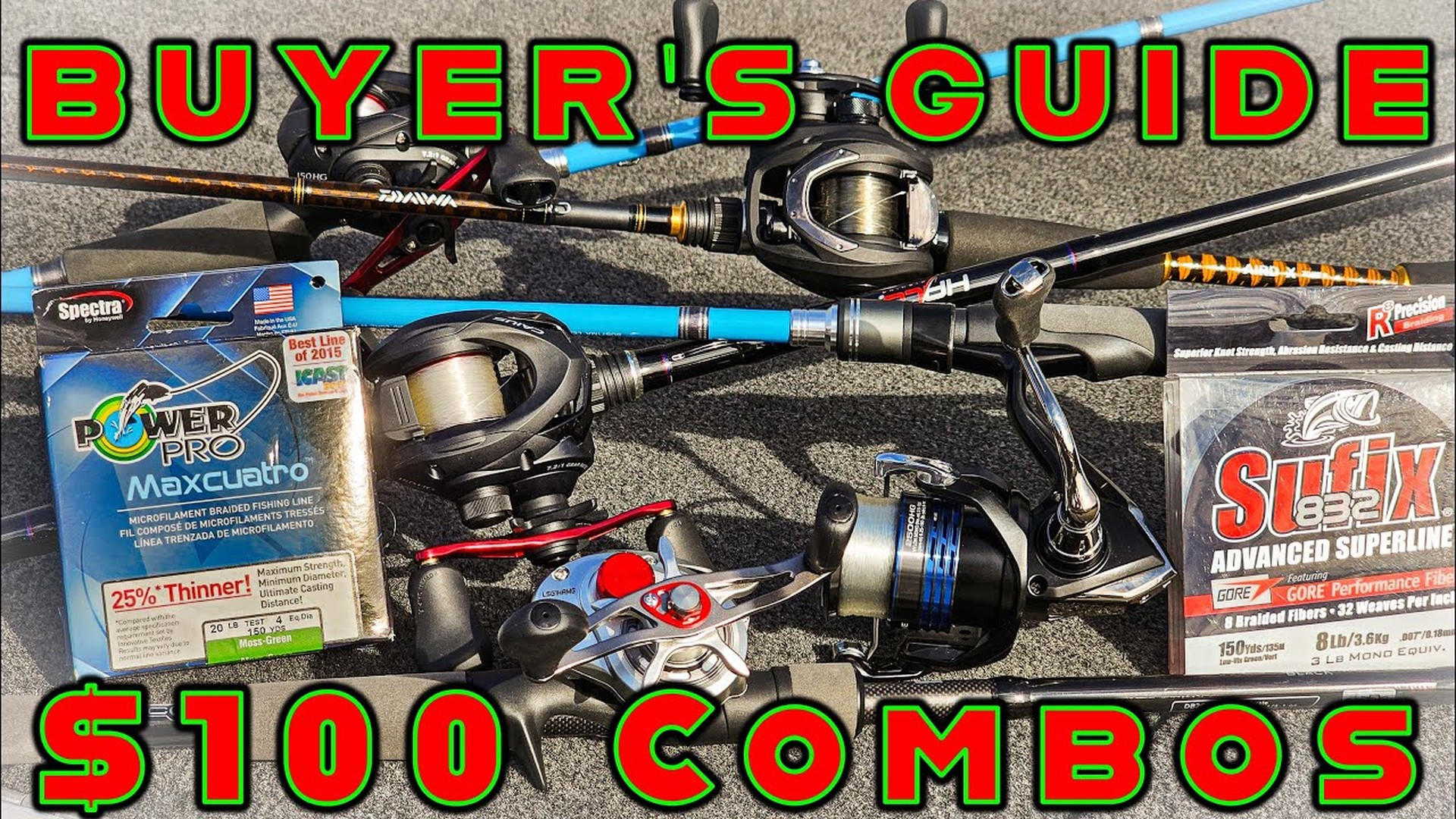
Best Fishing Rod & Reel Combos 2026: Bass, Walleye & Panfish Picks
Expert-tested rod and reel combos from $60 to $500. Shimano, Abu Garcia, St. Croix, Lew's and Daiwa compared. Spinning vs baitcasting, power/action guide, and best combo for every species and technique.
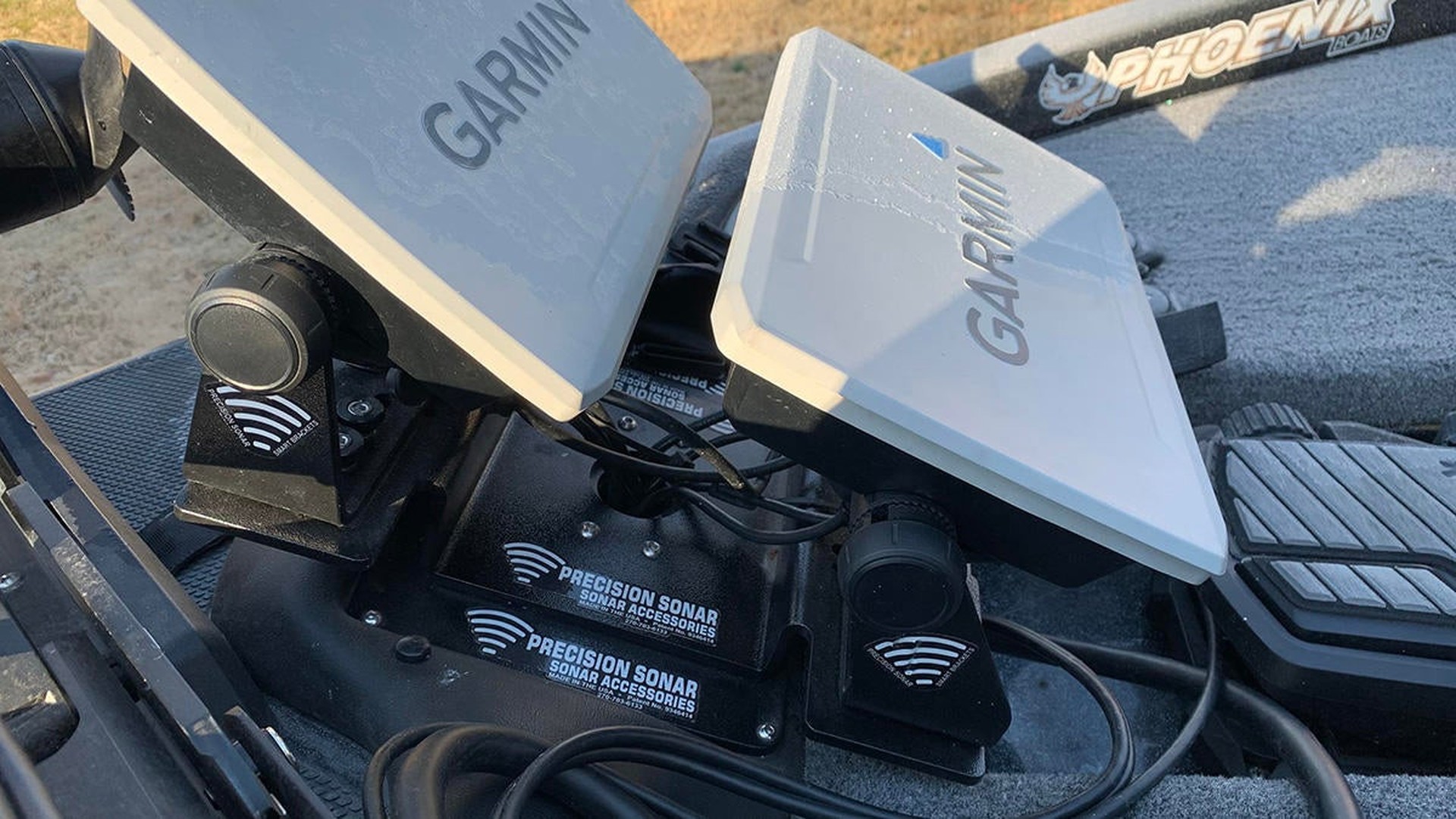
Best Fish Finders for 2026: Sonar, GPS & Live Imaging Compared
Expert-tested fish finder reviews from $200 to $2,000+. Garmin ECHOMAP, Lowrance HOOK, Humminbird HELIX compared. Sonar types explained, GPS mapping, live imaging technology & installation guide for kayak, bass boat & ice fishing.