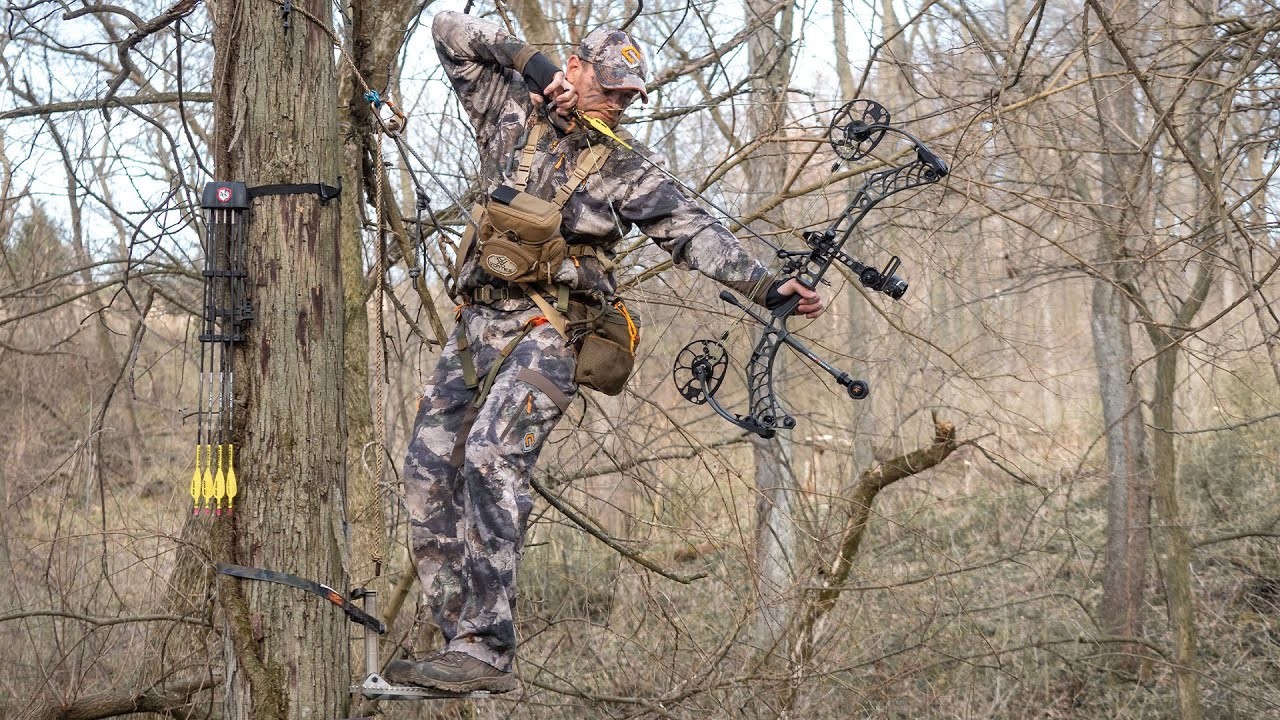
Best Saddle Hunting Setups 2026: Complete Buyer's Guide
Affiliate Disclosure: This article contains affiliate links. If you purchase through these links, we may earn a commission at no extra cost to you. This helps support our site and allows us to continue creating in-depth gear reviews. Our recommendations are based on independent testing and research.
Five years ago, I strapped into a tree saddle for the first time and wondered what I'd gotten myself into. Today, my traditional hang-on stands collect dust in the garage. Saddle hunting has fundamentally changed how I approach whitetail hunting, especially on public land where mobility and stealth are everything.
The saddle hunting market has matured significantly since those early days of DIY setups and limited options. In 2026, you can choose from dozens of purpose-built saddle platforms, bridges, and accessories designed for comfort, safety, and packability. This guide breaks down the best options across every price point, explains the core components you need, and helps you avoid the learning-curve mistakes I made.
Why Saddle Hunting Has Exploded
Traditional treestands have a fundamental limitation: they commit you to a specific tree with specific diameter and branch structure requirements. A saddle system lets you hunt virtually any tree with a trunk diameter between 6 and 30 inches, at any height you're comfortable with, from any angle around the trunk.
For mobile hunters—especially public land hunters—this flexibility is game-changing. You can set up on a tree that no hang-on stand could accommodate, adjust your shooting position 360 degrees around the trunk, and pack everything in and out without leaving equipment in the woods.
Weight Advantage
A complete saddle setup—saddle, platform, tether, lineman's belt, and three climbing sticks—typically weighs 12-18 pounds depending on components. Compare that to a quality hang-on stand (15-20 pounds) plus four climbing sticks (another 15-20 pounds), and you're saving 15-25 pounds on every walk-in. Over a mile-long hike to a public land honey hole, that weight savings is enormous.
Stealth Factor
Saddle hunters present a much smaller profile than someone standing on a traditional platform. You're tight against the trunk, blending into the tree's silhouette. This matters enormously for mature bucks that have learned to look up for hunter outlines on stand platforms.
Safety Improvement
With a properly configured saddle system, you're attached to the tree from the moment your feet leave the ground until they touch it again. The tether and lineman's belt create a redundant connection system. Traditional stand hunting's most dangerous moments—transitioning from ladder to platform—are eliminated.
Core Components Explained
A complete saddle hunting setup consists of five essential components. Understanding each one helps you make informed purchasing decisions.
The Saddle
The saddle itself is a sewn harness that wraps around your waist and thighs, similar to a rock climbing harness but designed specifically for extended periods of leaning back against a tree. Key features to evaluate:
- Bridge type: The bridge connects your saddle's hip attachment points and is where your tether clips in. Fixed bridges are simpler; adjustable bridges let you fine-tune your lean angle and shooting position.
- Padding: You'll be sitting/leaning in this harness for hours. Thick hip and leg padding isn't luxury—it's functional. Inadequate padding leads to discomfort that causes fidgeting, which spooks deer.
- Weight rating: Most saddles are rated 300-350 pounds. Factor in your body weight plus all gear (bow, pack, clothing) when evaluating.
- Breathability: Early-season saddle hunting in warm weather demands mesh backing and breathable fabrics. All-season saddles use denser materials that are warmer but less ventilated.
The Platform
Your platform is what you stand on while hunting from the saddle. It attaches to the tree with a ratchet strap or Amsteel ring and supports your feet while you lean back into the saddle's tether. Platform options include:
- Ring-of-steps style: Lightweight Amsteel loops that wrap the tree and provide a small foot perch. Ultralight (4-8 ounces) but require practice to use comfortably.
- One-piece platforms: Stamped aluminum or carbon fiber platforms measuring roughly 14x20 inches. More standing room and stability, weighing 1.5-3 pounds.
- Folding platforms: Two-piece designs that fold for packing. Slightly heavier than one-piece but pack flatter in your bag.
The Tether
Your tether runs from the tree to your bridge, supporting your weight as you lean back. Length matters: too short and you can't lean back comfortably; too long and you feel unstable. Most hunters end up with 6-8 feet of usable tether length after wrapping the tree. Quality tethers use rated Amsteel or nylon webbing with a micro-adjustable buckle.
Climbing Sticks
You need a way to get up the tree. Saddle-specific climbing sticks are designed for lightweight packing and quick, quiet installation. Most hunters use three to four sticks to reach hunting height (18-22 feet). Key considerations:
- Weight: Ranges from 1.5 pounds per stick (ultralight aluminum/Amsteel) to 4 pounds per stick (heavy-duty steel). Three ultralight sticks total less than 5 pounds.
- Step spacing: Sticks typically provide 20-32 inches of climbing per section. Three sticks with 28-inch steps get you about 7 feet of climbing each, reaching 20+ feet with a platform at top.
- Noise: Aluminum sticks with rubber-coated contact points are quieter than bare metal. Aider-style steps on Amsteel are the quietest option but the least stable underfoot.
- Attachment method: Ratchet straps are fastest and most secure. Cam buckles are lighter but require more adjustment. Amsteel lashing is lightest but slowest.
Lineman's Belt
The lineman's belt wraps around the tree and clips to your saddle, keeping you attached while you install climbing sticks and move up the tree. This is your primary safety connection during the climbing phase. Use a purpose-built lineman's belt rated for fall arrest—never substitute paracord or non-rated rope.
Top Saddle Hunting Setups for 2026
Best Overall: Tethrd Phantom Elite
The Tethrd Phantom Elite represents the current gold standard in saddle design. At 2.1 pounds with the bridge included, it's remarkably light while delivering all-day comfort that rivals much heavier options. The updated mesh backing breathes well in warm weather, and the redesigned leg straps eliminate the pinching that plagued earlier versions.
The Phantom Elite's adjustable bridge system lets you dial in your exact lean angle, which matters more than most beginners realize. A properly adjusted bridge transforms shooting comfort—you can draw your bow from a near-standing position without fighting the harness.
Pros: Exceptional comfort-to-weight ratio, versatile adjustable bridge, breathable mesh backing, proven durability across thousands of user-hours.
Cons: Premium price point, limited color options, can run warm in late-season layering situations.
Price: $299-349
Best Value: Latitude Outdoors Method 2
The Method 2 delivers 90% of premium saddle performance at 60% of the price. The build quality has improved dramatically from their first generation, with reinforced stitching at stress points and a comfortable padded waistband that distributes weight well.
The included bridge is fixed-length, which is simpler to set up but less adjustable than the Tethrd system. For most hunting scenarios, the fixed bridge works perfectly fine once you determine your preferred length during practice sessions.
Pros: Outstanding value, comfortable for extended sits, straightforward setup, good customer support.
Cons: Fixed bridge limits adjustment, slightly heavier than premium options, less breathable in warm weather.
Price: $179-219
Best Ultralight: Cruzr Xbow
For the ounce-counting public land hunter who hikes deep, the Cruzr Xbow strips everything to bare minimums. At 1.4 pounds including bridge, it's the lightest full-featured saddle on the market. The trade-off is comfort: the minimal padding is adequate for morning or evening hunts but challenging for all-day sits.
Pros: Incredibly light, packs tiny, excellent for run-and-gun hunters who change locations frequently.
Cons: Comfort drops off sharply after 3-4 hours, minimal adjustment options, requires supplemental padding for cold weather.
Price: $249-289
Best for Beginners: Tethrd Mantis
The Mantis is specifically designed for hunters transitioning from traditional stands to saddle hunting. It features wider hip padding, a more intuitive bridge system, and a forgiving fit that accommodates the positioning mistakes new saddle hunters make.
Tethrd designed the Mantis with a slightly wider stance angle that feels more natural to hunters accustomed to standing on a platform. As you develop your technique, you can adjust the bridge to a more aggressive lean angle.
Pros: Most comfortable for new saddle hunters, forgiving setup tolerances, excellent instructional materials included.
Cons: Heavier than other Tethrd options (2.8 lbs), may feel bulky to experienced saddle hunters, less packable.
Price: $229-259
Recommended Climbing Stick Systems
Best Overall Sticks: Tethrd One Sticks V2
At 1.8 pounds per stick with 28-inch step spacing, Three One Sticks get you to 20 feet efficiently. The ratchet strap attachment is fast and secure, and the folding step reduces pack profile. The rubber-coated tree contact points keep noise minimal during setup.
Best Ultralight Sticks: Aero Hunter Rapid Sticks
These hybrid aluminum-Amsteel sticks weigh just 1.1 pounds each. The rigid aluminum step provides better footing than pure Amsteel aiders while keeping weight incredibly low. Three sticks and a platform under 6 pounds total is achievable with this system.
Best Budget Sticks: Hawk Helium
The Helium sticks offer solid performance at a fraction of premium prices. At 2.4 pounds each, they're not ultralight, but the build quality and stability are excellent. The wider step platform provides confident footing for heavier hunters or those carrying heavy packs.
Platform Recommendations
Best All-Around: Tethrd Predator Platform
The Predator provides a generous standing surface (approximately 14x20 inches) with a textured aluminum deck that grips boot soles confidently. At 2.2 pounds, it's not the lightest option but offers the best balance of weight and standing comfort for long hunts. The included ratchet strap installs in seconds.
Best Ultralight: Ring of Steps
For minimum weight, Amsteel ring-of-steps platforms weigh just 4-8 ounces. They provide a narrow ledge for your feet using rated Amsteel wrapped around the tree. The learning curve is steeper—you need to develop foot placement confidence—but the weight savings are dramatic.
Setting Up Your First Saddle System
Practice at Ground Level
Before climbing any tree, practice your entire setup sequence at ground level. Find a tree in your yard and run through the process dozens of times: installing sticks, attaching your lineman's belt, climbing, setting the platform, transitioning to your tether, and getting into shooting position.
Time yourself. Your first attempt might take 20 minutes. After 50 practice reps, you should be set up and hunting-ready in 5-7 minutes. This speed matters when you're setting up in the dark on public land.
Dialing Your Bridge Length
Bridge length determines your lean angle and shooting comfort. Start with a longer bridge (more upright position) and gradually shorten it as you gain confidence. For bowhunting, most hunters end up with a bridge length that puts their body at roughly a 15-20 degree lean from vertical—enough to comfortably draw without the harness interfering.
Finding Your Height
Saddle hunters often hunt slightly higher than traditional stand hunters because their smaller profile makes height less critical for detection. Most saddle hunters find their sweet spot between 18 and 25 feet. Higher isn't always better—beyond 25 feet, arrow angle becomes steep enough to affect shot placement, and setup difficulty increases.
Shooting From a Saddle
The biggest adjustment for new saddle hunters is learning to shoot while connected to the tree. For bowhunters, practice these scenarios at ground level before hunting season:
- Strong-side shots: Your natural shooting side (right side for right-handed shooters). These feel most natural and require minimal adjustment.
- Weak-side shots: Shots to your non-dominant side require rotating your body around the tree. Practice transitioning your feet on the platform to open up weak-side shooting lanes.
- Straight-down shots: Steep-angle shots at deer directly below your tree. Your anchor point and sight picture change at extreme downward angles.
Common Mistakes New Saddle Hunters Make
Tether Too Long
A tether that's too long makes you feel insecure and forces you to grip the tree for balance. Shorten your tether until you can comfortably lean back with your hands free. You should be able to relax into the tether with your weight fully supported.
Platform Too Low
Many beginners set their platform too close to the ground or too close to their highest climbing stick. Your platform should be at the height where you want your feet while hunting. Your tether attaches above you—typically at face to forehead height—creating the lean angle that supports your weight.
Skipping the Lineman's Belt
Some hunters try to climb without a lineman's belt to save weight or time. This is dangerous and unnecessary. A lineman's belt weighs ounces, installs in seconds, and prevents the falls that injure or kill treestand hunters every year. Use it every single climb.
Not Practicing Enough
Saddle hunting has a real learning curve. Hunters who try it once in the field without extensive ground-level practice often have a miserable experience and quit. Invest twenty practice sessions before your first hunt and the system will feel natural.
Saddle Hunting Budget Breakdown
Here's what a complete saddle hunting setup costs at three price tiers:
Budget Setup ($400-550)
- Latitude Method 2 saddle: $179
- Hawk Helium sticks (3): $150
- Basic aluminum platform: $60-80
- Amsteel tether and lineman's belt: $40-60
Mid-Range Setup ($650-850)
- Tethrd Mantis or Phantom: $229-299
- Tethrd One Sticks (3): $270
- Tethrd Predator platform: $100
- Quality tether and lineman's belt: $60-80
Premium Setup ($900-1,200)
- Tethrd Phantom Elite: $349
- Aero Hunter Rapid Sticks (3): $350
- Carbon fiber platform: $150-200
- Micro-adjustable tether system: $80-100
Final Verdict
Saddle hunting isn't a fad—it's a genuine advancement in mobile hunting efficiency. The learning curve is real but surmountable with practice. Start with a mid-range setup, practice extensively at ground level, and give yourself five hunts before judging the system. Most hunters who commit to the learning process never go back to traditional stands. The mobility, stealth, and safety advantages are simply too compelling to ignore.
Where to Buy Saddle Hunting Gear
Check Price on Amazon →
Check Price on Amazon →
Check Price on Amazon →
Check Price on Amazon →
Get More Gear Guides
Join 10,000+ hunters and get our free Ultimate Gear Checklist plus weekly reviews delivered to your inbox.
Share this guide:
Related Articles
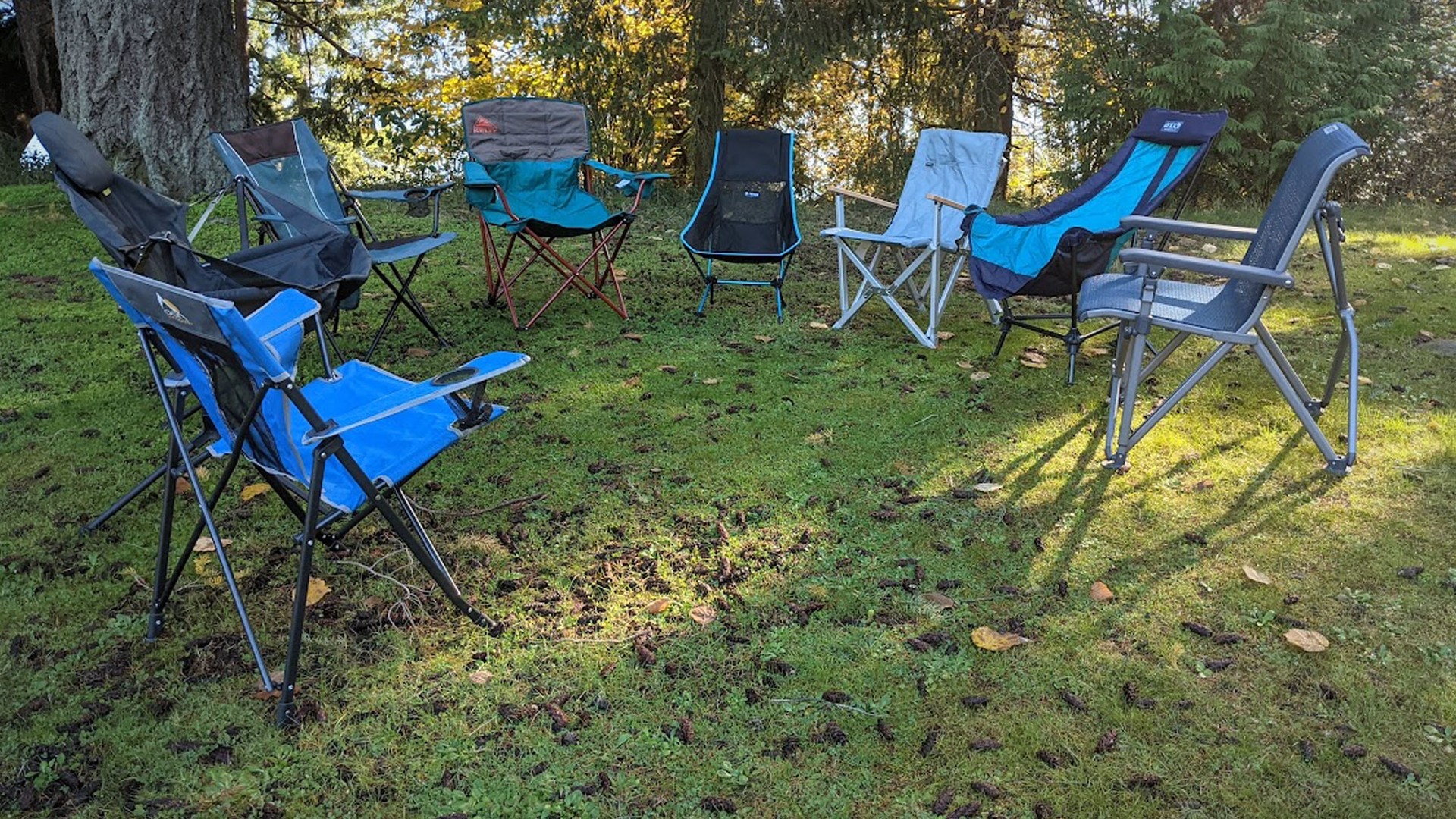
Spring Outdoor Gear Essentials 2026: Fishing, Camping & Turkey Season
Complete spring outdoor gear guide covering coolers, tackle boxes, fishing lures, camping chairs, bug protection, and turkey season essentials. YETI, RTIC, Plano, Thermacell, and more reviewed with prices.
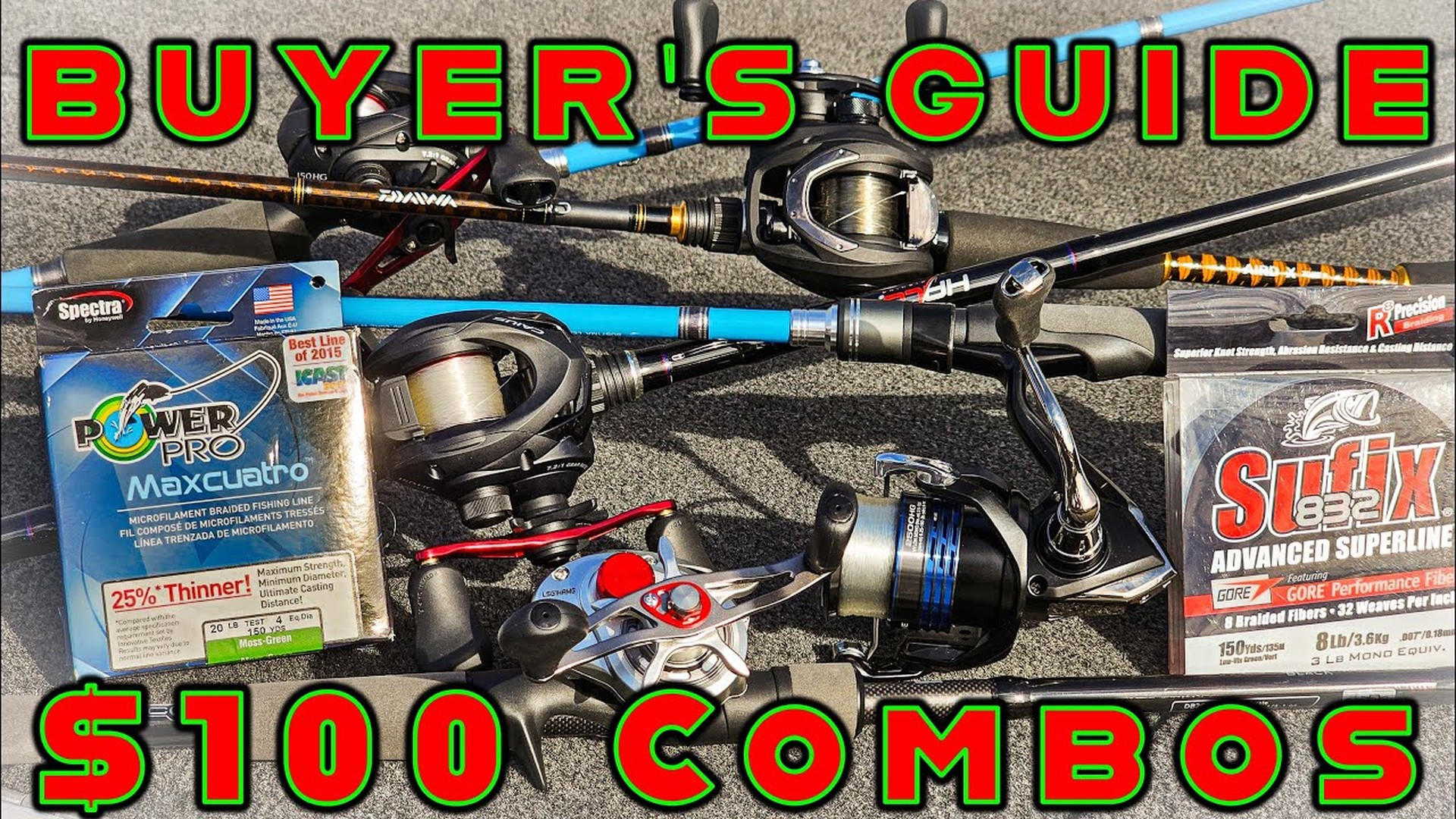
Best Fishing Rod & Reel Combos 2026: Bass, Walleye & Panfish Picks
Expert-tested rod and reel combos from $60 to $500. Shimano, Abu Garcia, St. Croix, Lew's and Daiwa compared. Spinning vs baitcasting, power/action guide, and best combo for every species and technique.
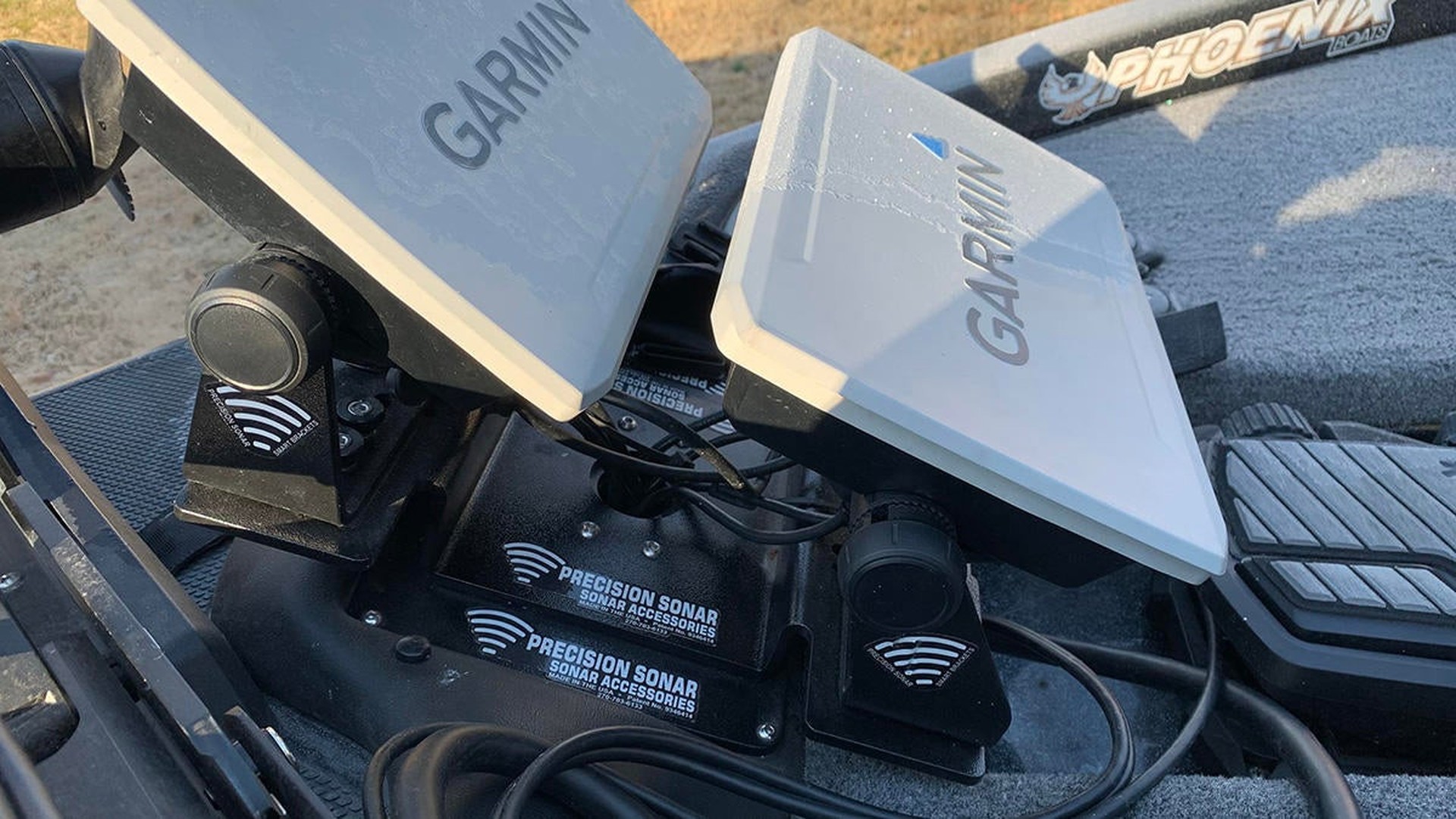
Best Fish Finders for 2026: Sonar, GPS & Live Imaging Compared
Expert-tested fish finder reviews from $200 to $2,000+. Garmin ECHOMAP, Lowrance HOOK, Humminbird HELIX compared. Sonar types explained, GPS mapping, live imaging technology & installation guide for kayak, bass boat & ice fishing.