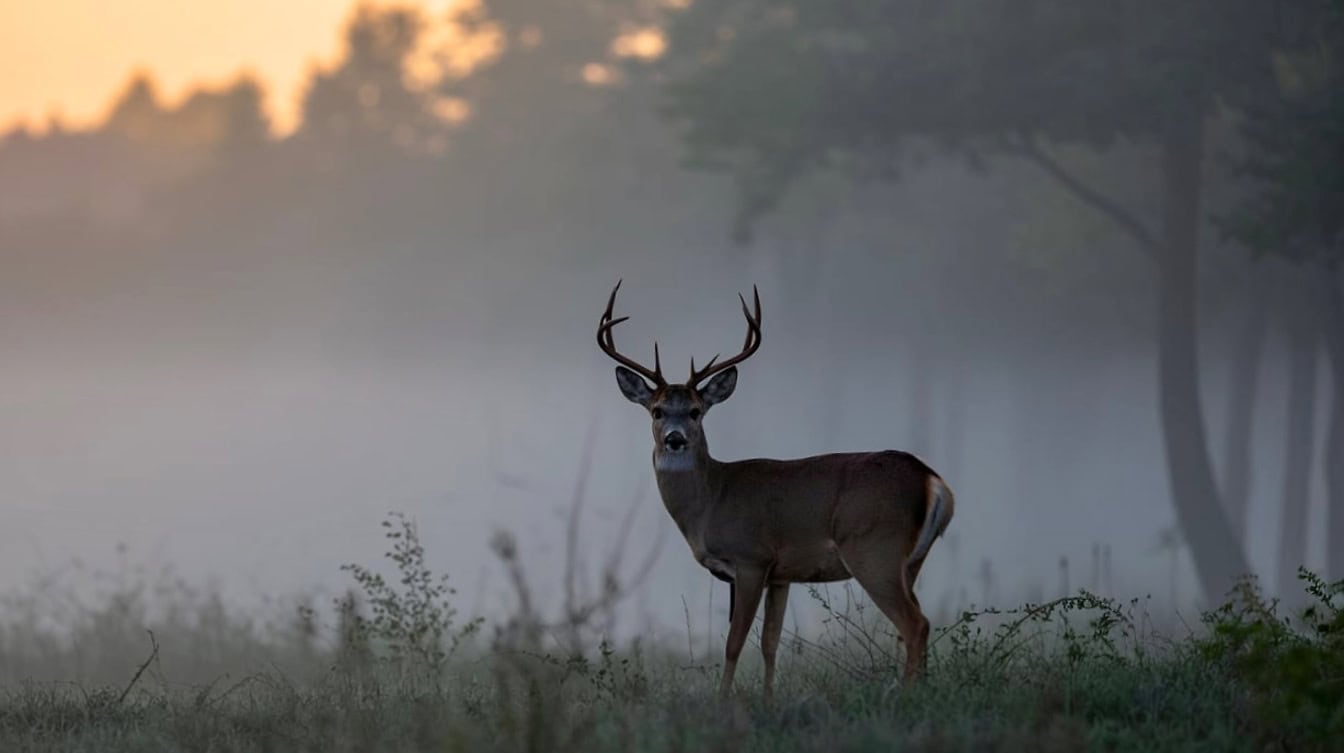
Essential Deer Hunting Gear Checklist for Beginners
Affiliate Disclosure: This article contains affiliate links. If you purchase through these links, we may earn a commission at no extra cost to you. This helps support our site and allows us to continue creating in-depth gear reviews. Our recommendations are based on independent testing and research.
Whether you're a first-time deer hunter or a seasoned veteran, having a comprehensive gear checklist ensures you never forget essential equipment. This guide covers everything you need for a successful deer hunting season, organized by category and priority.
I've been building gear lists for deer hunts since the early 1970s, and I still use a checklist before every single hunt. The morning I forgot my release aid on a three-hour drive to my best stand — and had to finger-shoot a borrowed recurve all day — cured me of ever trusting my memory again. A good checklist prevents disasters and, over time, evolves into a system that gets you into the woods faster and better prepared.
This master checklist covers everything for a full deer season. Not every item applies to every hunt — a morning treestand sit has different requirements than a week-long backcountry trip. Use this as your master reference and create hunt-specific checklists from it.
Tier 1: Absolute Essentials
Forget anything in this tier and your hunt is either over or seriously compromised. These items get loaded first, verified twice.
Weapon System
- Rifle/shotgun/bow: Sounds obvious, but verify it's in the vehicle. I know at least three hunters who drove hours only to realize they left their weapon at home.
- Ammunition/arrows: Enough for the hunt plus extras. For rifles, 20 rounds minimum. For bows, 6 arrows minimum with broadheads installed.
- Release aid (bowhunters): Strap it to your wrist or clip it to your pack strap. A release left on the kitchen counter is worthless at 20 feet.
- Broadheads/bullets: Verify they're the same weight and type you sighted in with. Mixing broadhead weights with field tips guarantees different points of impact.
Hunting License and Tags
- Valid hunting license: Check expiration date and state requirements. Many states now offer digital licenses, but carry a printed backup.
- Deer tags: In the correct management unit. Some states require separate tags for antlered and antlerless deer.
- Hunter safety card: Required in most states, especially for hunters under a certain age.
- Landowner permission documentation: If hunting private land, carry written permission or your lease agreement.
Safety Equipment
- Treestand harness: Non-negotiable for any elevated hunting. A full-body harness — not a belt-style — rated for your weight plus gear. Attach to the tree before your feet leave the ground.
- Blaze orange: Amount varies by state and weapon season. Know your state's requirements — violations carry stiff fines and, more importantly, not wearing orange risks your life.
- First aid kit: At minimum: tourniquet, pressure bandages, antibiotic ointment, pain reliever, blister treatment, and any personal medications. A fall from a treestand can cause serious injury — be prepared.
Tier 2: Core Hunting Gear
These items make the hunt effective and comfortable. Missing one won't necessarily end your day, but it'll make it significantly harder.
Optics
- Binoculars: Even in eastern whitetail woods, binoculars let you identify deer at distances where your naked eye sees only movement. A quality 8x42 or 10x42 is the most versatile hunting optic.
- Rangefinder: Critical for bowhunters, valuable for rifle hunters. Knowing exact distance eliminates the guesswork that leads to wounded deer. Practice ranging landmarks at your stand before the hunt.
- Rifle scope (if applicable): Should be zeroed within the past month. Verify zero after any travel — scope adjustments can shift from vehicle vibration.
Treestand or Ground Blind
- Treestand: Climbing stand, hang-on with sticks, or saddle system. Inspect all straps, cables, and welds before every season. Metal fatigue causes catastrophic failures with zero warning.
- Ground blind: Hub-style or natural blind materials. Set up blinds 1-2 weeks before your hunt so deer acclimate to the new object in their environment.
- Climbing sticks/steps: If using a hang-on stand. Verify all strap connections and load-bearing components.
Navigation
- GPS unit or phone with offline maps: Mark your stand locations, parking spots, and property boundaries. Cell service is unreliable in hunting areas — download maps before you go.
- Compass: Battery-free backup navigation. In thick timber at night, even experienced woodsmen get turned around. A compass gets you back to the truck when your phone dies.
- Property boundary markers: Know your boundaries and stay within them. GPS apps like onX Hunt show property lines overlaid on satellite imagery.
Clothing System
- Base layer: Merino wool or quality synthetic. Cotton is prohibited — it absorbs sweat, loses insulation value, and can cause hypothermia in cold weather.
- Mid layer: Fleece or down insulation appropriate for conditions. This is your adjustable warmth layer — add or remove based on activity level and temperature.
- Outer layer: Wind/waterproof shell or insulated hunting jacket. Quiet fabric is essential — noisy shell material alerts deer at close range.
- Hunting pants: Matched to conditions. Quiet, weather-appropriate, with reinforced knees if you stalk or crawl.
- Hunting boots: Broken-in and appropriate for conditions. See our detailed hunting boots guide for specific recommendations.
- Socks: Merino wool, properly fitted. Bring an extra pair in your pack — wet socks from morning dew can ruin an afternoon sit.
- Hat/beanie: You lose significant heat through your head. A merino beanie weighs nothing and makes a massive comfort difference below 40°F.
- Gloves: Layered system appropriate for temperature. Trigger-finger dexterity is critical — test gloves with your weapon before hunting.
Tier 3: Field Processing and Recovery
These items become essential the moment you pull the trigger or release an arrow. Having them ready prevents spoiled meat and frustrating recoveries.
Tracking and Recovery
- Blood-trailing light: A headlamp with a blood-tracking mode (red or blue LED) makes following a blood trail at night dramatically easier. Standard white light washes out blood spatter against leaves.
- Flagging tape: Mark blood trail progress every 10-15 yards so you can backtrack to the last confirmed blood if the trail goes cold.
- Drag rope or sled: Getting a 180-pound deer out of the woods is serious work. A drag rope with a shoulder harness or a compact deer sled saves your back and knees.
Field Dressing Kit
- Sharp fixed-blade knife: A 3.5-4" drop-point blade handles all field dressing tasks. Carry a sharpener — a dull knife is dangerous and damages meat.
- Latex or nitrile gloves: Multiple pairs. Keep your hands clean and protect against potential disease transmission.
- Game bags: Breathable bags protect meat from flies, dirt, and contamination during transport.
- Zip-lock bags: For the heart and liver if you keep organ meat.
- Paracord: 20 feet minimum. Useful for hanging the carcass, dragging, and a hundred other camp tasks.
Tier 4: Comfort and Convenience
These items don't make or break the hunt, but they make long days in the field dramatically more bearable.
All-Day Sit Essentials
- Food: High-calorie, quiet-to-eat snacks. Granola bars, jerky, nuts, cheese, peanut butter sandwiches. Avoid anything with crinkly wrappers that broadcast your location to every deer within 50 yards.
- Water: Minimum 1 liter for a half-day hunt, 2 liters for all-day. Dehydration impairs judgment and cold tolerance.
- Hand warmers: Chemical hand and toe warmers extend your effective sit time by hours in cold weather. Pack extras — they're cheap insurance against frozen extremities.
- Seat cushion: Especially for treestand and ground blind hunting. A quality cushion reduces fidgeting that spooks game.
- Calls and rattling antlers: Grunt tube, bleat can, and rattling antlers or bag for rut-phase hunting. Even a single soft grunt has called in bucks that would have walked out of range.
Pack Organization
- Headlamp: With red/green mode for pre-dawn walks without spooking deer. Fresh batteries — a dead headlamp in the dark woods is anxiety-inducing at best, dangerous at worst.
- Scent control spray: For boots and outer clothing before the walk in. Spray your climbing sticks and stand too.
- Multi-tool: For field repairs to stands, bows, and equipment. A quality multi-tool has bailed me out of more hunt-threatening malfunctions than I can count.
- Phone charger/battery pack: Especially in cold weather, which drains batteries fast. A dead phone means no GPS, no camera for photos, and no way to call for help.
Creating Your Hunt-Specific Checklist
This master list covers every scenario. For each specific hunt, pull the relevant items based on:
- Hunt type: Treestand, ground blind, spot-and-stalk, or still-hunting. Each requires different priority items.
- Duration: Half-day sits need less food, water, and clothing than all-day or multi-day hunts.
- Weather: Temperature and precipitation forecasts determine your clothing system, insulation needs, and waterproof requirements.
- Weapon: Rifle and bow hunts have different accessory needs — broadheads vs. ammunition, arm guard vs. ear protection.
Write it down. Tape it to your gun safe or bow case. Check every item before you walk out the door. The five minutes this takes will save you from the sinking feeling of reaching for gear that's sitting on your kitchen table 100 miles away.
Vehicle Kit: What Stays in the Truck
Beyond what you carry into the woods, maintain a permanent truck kit with items too heavy or bulky for your hunting pack but essential for a complete hunt:
- Extra ammunition/arrows: A full spare set in your vehicle ensures you're never caught short if you lose or damage arrows in the field or need more rounds than expected.
- Full change of clothes: Base layers, socks, and an outer layer in a sealed scent-free bag. If you fall in a creek, sweat through your base layer, or get soaked in unexpected rain, dry clothes in the truck transform a miserable day into a productive one.
- Cooler with ice: For meat preservation during warm-weather hunts. Having ice available immediately after a harvest prevents spoilage during the drive to the processor or your home.
- Tow strap and basic tools: Hunting access roads get muddy, and stuck trucks ruin hunts. A 20-foot tow strap, folding shovel, and basic socket set handle most roadside emergencies.
- Paper maps of the area: When cell service fails and your phone GPS can't download map data, a paper map of the county or hunting property prevents getting lost on remote road networks.
- Water and high-calorie food: One gallon of water and a box of granola bars stay in the truck permanently. Longer-than-expected blood trails, broken-down vehicles, and lost-hunter scenarios all benefit from accessible food and water at your vehicle.
Digital Checklist Tools
While a paper checklist taped to your gun safe works perfectly, smartphone apps offer additional features for organized hunters. Apps like Caltopo, onX Hunt, and HuntStand include gear list features alongside mapping tools, letting you maintain checklists, mark stand locations, and track weather forecasts in one application.
The Pre-Trip Gear Inspection
A checklist tells you what to pack; a gear inspection tells you if it still works. Two weeks before any major hunt, test every piece of electronic gear: replace rangefinder batteries, verify GPS waypoints saved correctly, test headlamp brightness on all modes, and confirm your trail camera SD cards are formatted and functional. Check your optics for fog, loose turrets, or damaged lens coatings. Inspect your bow or rifle for loose screws, frayed strings, or stock cracks. Finding a problem at home costs you an Amazon order and two days of shipping. Finding it at camp costs you the hunt.
The Forgotten Items: What Most Checklists Miss
Standard gear checklists cover weapons, clothing, and optics but often miss items that make the difference between a productive hunt and a frustrating one. Toilet paper in a sealed bag — seemingly trivial until you need it two miles from the truck. A compact multi-tool for on-the-spot repairs to treestands, blinds, and equipment. Extra release aid or trigger mechanism if you bowhunt — a lost or broken release with no backup ends your hunt immediately. Zip ties and paracord for improvised repairs. A trash bag (heavy-duty contractor type) that doubles as an emergency rain poncho, ground cloth, or game bag in a pinch. These small items weigh ounces and occupy negligible pack space but solve problems that heavier, more expensive gear cannot.
The Buddy System for Checklists
Share your checklist with your hunting partner and review each other's gear before departing. A second set of eyes catches things you overlook through familiarity blindness — you'll swear your release aid is in the bag because it's always in the bag, until the one time it isn't. Hunting partners also allow gear sharing for redundancy: if both hunters carry a bone saw, a headlamp, and fire-starting materials, losing one set doesn't end the hunt. Coordinate who carries shared items like game bags, a first-aid kit, and drag ropes to distribute weight fairly without duplicating unnecessarily.
Whichever format you choose — paper or digital — the key is using it consistently. A checklist you check once and forget exists is useless. Make the pre-hunt check a habit as ingrained as filling your gas tank before a road trip. The five minutes of review saves hours of frustration and ensures every hunt starts with confidence that you have everything you need to make the most of your time in the woods.
Recommended Beginner Gear
Check Price on Amazon →
Check Price on Amazon →
Check Price on Amazon →
Get More Gear Guides
Join 10,000+ hunters and get our free Ultimate Gear Checklist plus weekly reviews delivered to your inbox.
Share this guide:
Related Articles
How to Hunt Pressured Deer: Advanced Whitetail Tactics
Pressured whitetails play by different rules. Learn advanced tactics for hunting mature bucks that have survived multiple seasons of hunting pressure, from scent control to unconventional stand placement.
How to Hunt Public Land Deer: Tactics That Actually Work
Public land deer hunting demands different tactics than private property. Learn proven strategies for scouting, stand placement, and outsmarting pressured whitetails on state and federal land.
How to Scout for Deer: Pre-Season Guide
The best deer hunters start months before opening day. Pre-season scouting is the single most impactful thing you can do to increase your odds. Here's how.