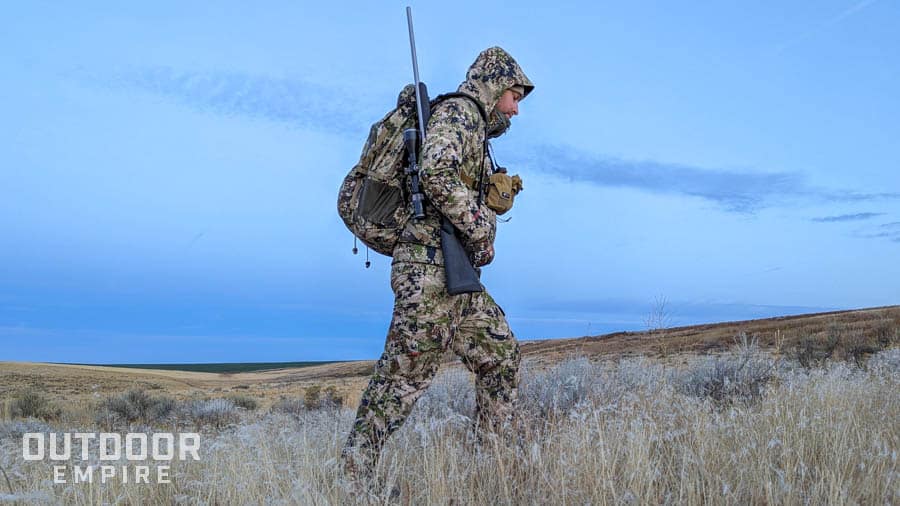
Sitka Gear Review: Is the Premium Price Worth It?
Affiliate Disclosure: This article contains affiliate links. If you purchase through these links, we may earn a commission at no extra cost to you. This helps support our site and allows us to continue creating in-depth gear reviews. Our recommendations are based on independent testing and research.
Sitka Gear has become the gold standard of high-performance hunting clothing — but with base layers running $100+ and a full system costing upward of $2,000, the question every hunter asks is: is it actually worth the premium? After three seasons of field testing across multiple Sitka lines, here's our honest, unfiltered verdict.
What Makes Sitka Different?
Sitka Gear was founded in 2005 by Jonathan Hart, a bowhunter who believed hunting clothing could be engineered like mountaineering apparel — purpose-built for specific conditions rather than adapted from generic outdoor wear. That philosophy remains central to everything Sitka produces today.
Unlike most hunting clothing brands that start with a camo pattern and work backward, Sitka starts with the activity and environment. Their approach involves identifying the physical demands of a specific type of hunting, selecting technical fabrics that address those demands, then applying camouflage as the final layer. This is why you'll find dramatically different fabric weights, stretch profiles, and construction methods across their lines — the Subalpine line built for western mountain hunting has almost nothing in common with the Waterfowl line designed for layout blinds.
The Sitka Line Breakdown
Elevated II (Whitetail Tree Stand Hunting)
The Elevated II line is Sitka's answer to the unique demands of tree stand hunting. When you're sitting motionless 20 feet up a tree in sub-freezing temperatures, your body's heat management challenges are completely different from active mountain hunting. This line prioritizes:
- Maximum insulation: Heavy PrimaLoft insulation in the Fanatic series for warmth without bulk
- Silence: Brushed micro-fleece face fabrics that produce virtually zero noise
- Scent control: Polygiene odor-control treatment integrated into the fabric
- Sit-friendly design: Articulated patterning that's comfortable while seated for hours
Key pieces include the Fanatic Jacket ($449), Fanatic Bibs ($399), and the Core Lightweight series for base layers. For dedicated whitetail hunters, this is arguably where Sitka delivers the most value — no other brand has engineered sit-hunting clothing this thoughtfully.
Subalpine (Western Mountain Hunting)
The Subalpine line is built for the hunter covering 10+ miles per day in steep terrain — elk hunters, mule deer hunters, and backcountry enthusiasts. Key characteristics:
- Lightweight and packable: Every ounce matters when you're 8 miles from the trailhead
- Highly breathable: Designed for high-output activity in variable conditions
- Four-way stretch: Full range of motion for scrambling, climbing, and drawing a bow
- Layering versatility: Each piece integrates seamlessly with others in the system
The Mountain Evo series and Kelvin Aerolite jacket are standouts here. The Jetstream Jacket ($299) is probably the single most versatile piece Sitka makes — it works as a mid-layer on cold days and an outer layer on moderate ones.
Open Country (Long-Range Western Hunting)
For spot-and-stalk hunting in open terrain — think antelope, open-country mule deer, and prairie elk — the Open Country line combines durability with full camo concealment optimized for wide-open spaces. This line tends to be more abrasion-resistant than Subalpine, with patterns optimized for sage, grass, and rock environments.
Waterfowl (Timber/Marsh/Layout)
Sitka's waterfowl line splits into Timber (flooded timber hunting), Marsh (wading and marsh hunting), and Layout (field hunting from layout blinds). Standout features include fully waterproof GORE-TEX construction in the Delta series and the Hudson Insulated Bib that keeps you dry and warm lying in a frozen field at 4 AM.
Field Test: 3 Seasons with Sitka
Season 1: Colorado Elk (Subalpine Line)
My first real test of Sitka came during a September archery elk hunt in Colorado's Unit 76. Temperatures ranged from 28°F at dawn to 75°F by midday. I wore the Core Lightweight base layers, Ascent pants, and carried the Jetstream Jacket.
The performance was immediately noticeable compared to my previous setup. The Ascent pants moved with me through downfall timber in ways that my old cotton-blend hunting pants never could. By midday when I was drenched in sweat from a steep climb, the Core base layer dried remarkably fast — probably 60% faster than my previous polyester base layer from a competing brand.
The Jetstream Jacket earned its keep as an evening insulation layer. At 14 ounces, it packed down to about the size of a Nalgene bottle, and it blocked wind completely during a ridgetop glassing session where gusts hit 30+ mph.
Season 2: Minnesota Whitetail (Elevated II)
November in Minnesota means all-day sits in sub-zero wind chills. I tested the Fanatic Jacket and Bibs over Core Heavyweight base layers during a 10-day whitetail sit. The results were mixed — and that's being honest.
On the positive side, the silence factor was extraordinary. I could draw my bow without producing any fabric noise. The articulated knees in the bibs made sitting on a small platform comfortable for 10+ hour sits. And the insulation kept me warm down to about 15°F with appropriate base layers.
On the negative side, once temperatures dropped below 0°F (which happened four of my ten days), I needed to add a heavy puffy over the Fanatic Jacket. At $449, I expected the jacket to handle zero-degree conditions without supplementation. For comparison, a less expensive Badlands Calor jacket that retails for $250 kept me warmer in the same conditions due to its heavier insulation fill.
Season 3: South Dakota Pheasant & Waterfowl
I ran the Delta Wading Jacket ($549) and Hudson pants through a week of waterfowl hunting in flooded timber and layout blinds. GORE-TEX performed exactly as expected — completely waterproof through full-body water contact. After a morning of belly-crawling through mud in layout blinds, the jacket's interior was bone dry.
The Hudson Insulated Bibs proved their worth during a particularly brutal layout hunt where we sat in frozen stubble for 4 hours in 18°F weather with 25 mph wind. I stayed warm, dry, and mobile enough to sit up quickly for shots.
The Honest Pros and Cons
What Sitka Gets Right
- Engineering and fit: The articulated patterning and technical fabrics are genuinely superior to mid-range brands. You can feel the difference immediately.
- System thinking: Pieces are designed to work together, so layering combinations are intuitive and effective
- Noise reduction: Especially in the Elevated II line, Sitka is the quietest hunting clothing I've worn
- Durability: After three hard seasons, my Sitka pieces show minimal wear. The fabrics resist snagging and abrasion far better than competitors in the $100-150 range
- Camo effectiveness: Their pattern-specific approach (Elevated II for timber, Subalpine for mixed cover, Open Country for grass/sage) is noticeably more effective than universal patterns
Where Sitka Falls Short
- Price vs. warmth ratio: In pure warmth-per-dollar, brands like Badlands, First Lite, and even KUIU offer competitive insulation at lower prices
- Repair program: Sitka's repair service exists but is slow (4-6 weeks typical turnaround) and expensive. First Lite's repair program is faster and more customer-friendly
- Base layer longevity: The Core Lightweight base layers developed pilling after about 30 washes. For $89, I'd expect longer textile life
- Diminishing returns at the top: The difference between a $300 Sitka jacket and a $150 First Lite jacket is real but narrower than the price gap suggests
Sitka vs. the Competition
Quick Brand Comparison
- Sitka vs. First Lite: First Lite offers 80% of Sitka's performance at 60% of the price. Better merino wool base layers. Sitka wins on technical outerwear and system integration.
- Sitka vs. KUIU: KUIU is the closest competitor in terms of technical performance. Direct-to-consumer pricing makes KUIU 20-30% cheaper. Sitka has better retail availability and in-store fitting.
- Sitka vs. Badlands: Badlands is best known for packs but their clothing line offers exceptional warmth-per-dollar. Not as technically refined as Sitka, but at 40-50% lower prices, the value proposition is strong.
- Sitka vs. Under Armour/Browning: These mass-market brands aren't in the same category. If you're comparing, Sitka is in a different league of construction, fabric quality, and fit.
Who Should Buy Sitka?
After three seasons of honest testing, here's my recommendation framework:
Buy Sitka If...
- You hunt 30+ days per year and demand the best technical performance
- You're a dedicated tree stand hunter (the Elevated II line has no equal)
- You do multiday backcountry hunts where failure of gear has serious consequences
- You want a single brand system where every piece integrates seamlessly
- You can afford to invest $1,500-2,500 in a complete hunting clothing system
Skip Sitka If...
- You hunt fewer than 10 days per year — the cost-per-use doesn't justify the premium
- You primarily hunt from heated blinds or short sits where extreme performance isn't required
- Your budget is under $500 for a complete system — better value exists at this price point
- You need the absolute warmest possible option — dedicated cold-weather brands like Badlands outperform at lower prices
Best Sitka Pieces to Start With
If you want to test the Sitka waters without committing to a full system, these three pieces deliver the most impact:
- Jetstream Jacket ($299): The single most versatile piece in the lineup. Works as mid-layer or outer layer across three seasons.
- Core Heavyweight Bottom ($99): The best hunting base layer pants I've worn. The fit through the knees and seat is perfect for tree stand hunting.
- Ascent Pant ($199): If you do any kind of active hunting — spot-and-stalk, still-hunting, or mountain hunting — these pants are revelatory. The four-way stretch and durability balance is unmatched.
The Bottom Line
Is Sitka worth the premium? Yes, with caveats. Sitka genuinely outperforms mid-range hunting clothing in fit, fabric technology, noise reduction, and durability. But the gap between Sitka and competitors like First Lite and KUIU has narrowed significantly over the past three years.
The strongest case for Sitka is the system approach — buying into a complete Sitka layering system for your primary hunting type delivers better overall results than mixing and matching brands. But buying one or two Sitka pieces to supplement an existing kit provides diminishing returns.
For the serious hunter who treats their clothing as critical equipment rather than optional apparel, Sitka remains the benchmark. For the value-conscious hunter who wants excellent performance without the premium, First Lite and KUIU are compelling alternatives that get you 80-90% of the way there at 60-70% of the cost.
Sitka Sizing and Fit Guide
Sitka runs slightly slim compared to traditional hunting brands, designed for athletic builds and layering compatibility within the Sitka system. If you're between sizes, size up — especially for outer layers that need to accommodate midlayers underneath. Their online fit guide is accurate, but ordering from retailers with free returns (like Amazon) lets you try before committing. Pay special attention to sleeve length on jackets and inseam on pants — Sitka's dimensions favor taller, leaner builds. Stockier hunters may find First Lite's more generous cuts a better starting point.
Sitka's Best Pieces to Start With
If you're buying your first Sitka pieces, start with the items where Sitka's advantages are most noticeable. The Sitka Jetstream jacket ($200-250) is the single most versatile piece they make — quiet, windproof, and perfectly cut for bow hunting. As a midlayer or stand-alone piece in moderate temperatures, nothing else in the hunting market matches its combination of silence, warmth, and fit. The Sitka Merino Heavyweight base layer is another standout — noticeably warmer and more comfortable against skin than competitors at similar weight. Skip the Sitka rain gear as a first purchase — their advantage in waterproof shells is smaller compared to quality alternatives from Kuiu or First Lite at lower prices.
Where to Buy Sitka for the Best Price
Sitka rarely goes on deep discount due to minimum advertised price (MAP) policies, but smart shoppers find deals. End-of-season clearance (February-March) offers 20-30% off previous season colors and discontinued patterns. Sites like Camofire run daily deals that occasionally feature Sitka at significant discounts. Used Sitka on eBay and Facebook Marketplace can save 40-50% on gear that still has years of life. Just verify the authenticity — counterfeits exist in the market.
After 52 years in the field, I can tell you this: the best hunting clothing is the system you trust completely and wear confidently in the worst conditions. If Sitka gives you that confidence, it's worth every penny. If your budget says otherwise, excellent alternatives exist. Start with the Jetstream jacket and build your complete system from there piece by piece each season — you won't look back once you experience the difference.
Where to Buy Sitka Gear
Check Price on Amazon →
Check Price on Amazon →
Check Price on Amazon →
Check Price on Amazon →
Get More Gear Guides
Join 10,000+ hunters and get our free Ultimate Gear Checklist plus weekly reviews delivered to your inbox.
Share this guide:
Related Articles

Vortex Diamondback HD vs Crossfire II: Which Binos?
Vortex's two most popular hunting binoculars go head-to-head. After extensive field testing, here's the definitive comparison to help you choose between the Diamondback HD and Crossfire II.
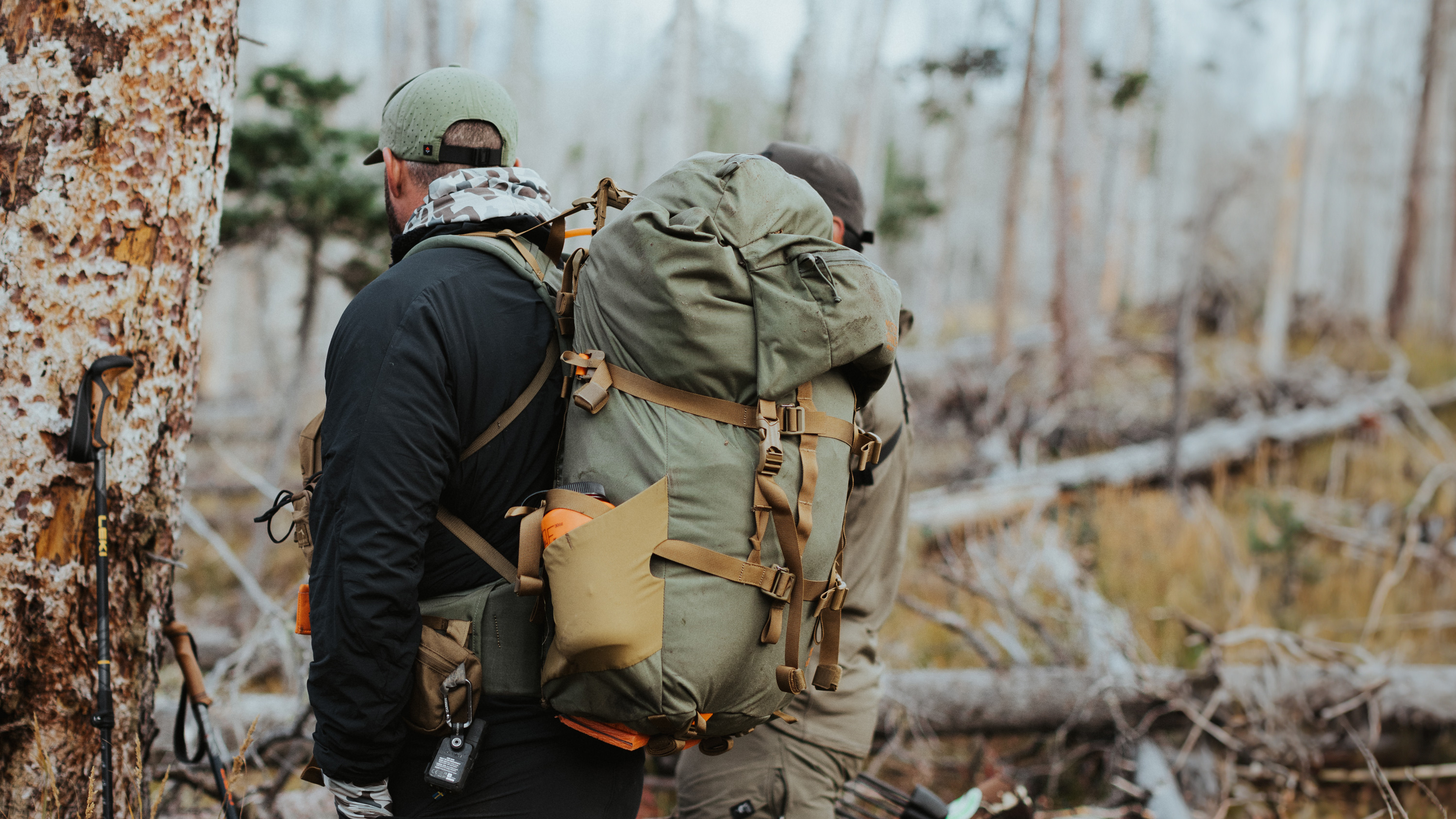
Mystery Ranch Metcalf Review: Ultimate Elk Pack?
The Mystery Ranch Metcalf is legendary in elk hunting circles. After carrying it on three backcountry hunts totaling 180+ miles with loads up to 85 pounds, here's our thorough assessment.

Irish Setter Elk Tracker Review: 1,000 Mile Test
Most boot reviews test for a weekend. We put the Irish Setter Elk Tracker through 1,000 miles of actual hunting terrain over two full seasons. Here's what held up and what didn't.