
Affiliate Disclosure: This article contains affiliate links. If you purchase through these links, we may earn a commission at no extra cost to you. This helps support our site and allows us to continue creating in-depth gear reviews. Our recommendations are based on independent testing and research.
Spring turkey hunting is one of the most exciting and accessible forms of hunting in North America. The combination of calling, concealment, and close-range shotgunning creates an adrenaline rush unlike any other hunt. But having the right gear makes all the difference between punching your tag and watching longbeards strut just out of range. Here's your complete gear guide for spring turkey season 2026.
The Turkey Hunting Essentials
Turkey hunting is gear-intensive compared to many other hunts. You need calling equipment, specialized camouflage, a properly set up shotgun, decoys, and comfort items that allow you to sit motionless for hours. Let's break down each category.
Shotguns and Chokes
Choosing a Turkey Shotgun
Any 12-gauge or 20-gauge shotgun can kill a turkey, but dedicated turkey guns have specific features that improve your odds:
- Short barrel (21-24 inches): More maneuverable in tight blinds and ground setups
- Camouflage finish: Full camo or matte finish to eliminate glare
- Fiber optic or red dot sight: Faster target acquisition than standard bead sights
- Sling studs: Essential for hands-free carrying while navigating terrain
Top Turkey Shotgun Picks
- Best Overall: Mossberg 500 Turkey – Proven reliability, excellent value
- Best Premium: Benelli Super Black Eagle 3 Turkey – Lightweight, fast cycling
- Best Budget: Maverick 88 with turkey barrel – Under $300 complete
- Best 20-Gauge: Benelli M2 Turkey 20ga – Perfect for youth and recoil-sensitive hunters
Turkey Chokes
Your choke tube is arguably more important than your shotgun choice. A quality turkey choke constricts your pattern to deliver maximum pellet density at 40 yards—the typical range for turkey kills.
The best turkey chokes produce patterns that put 100+ pellets in a 10-inch circle at 40 yards with quality TSS or heavyweight loads. Popular options include the Indian Creek Choke, Carlson's Long Beard XR, and the Primos Jellyhead Maximum.
Ammunition
Turkey ammunition has evolved dramatically in recent years. Here's what you need to know:
- TSS (Tungsten Super Shot): The gold standard. TSS is denser than lead, allowing smaller pellets (size 9) to carry lethal energy to 50+ yards. Expensive ($8-15 per shell) but devastatingly effective. Extends effective range by 10-15 yards over lead.
- Heavyweight (HEVI-Shot, Federal Heavyweight): A middle ground between lead and TSS in both density and price. Excellent performance to 45 yards.
- Lead: Still effective at traditional ranges (30-40 yards). Size 4, 5, or 6 shot in 3" or 3.5" shells. By far the most affordable option.
Calling Equipment
Box Calls
The most beginner-friendly turkey call. A quality box call produces loud, realistic yelps, cuts, and clucks with minimal practice. Every turkey hunter should carry one. Top picks: Lynch World Champion, Primos Hook Up Magnetic.
Pot Calls (Slate/Glass)
Pot calls offer more versatility than box calls, producing soft purrs and clucks that excel at close range. They require a striker and more practice but allow for nuanced calling. Top picks: Woodhaven Cherry Classic, Primos Ol' Betsy.
Diaphragm (Mouth) Calls
The most versatile calling method—hands-free operation lets you call while your gun is shouldered and ready. The learning curve is steep, but diaphragm calls are the most realistic and the preferred method of experienced hunters. Start with a single-reed call and progress to double and triple reeds. Top picks: Primos A-Frame Double, Woodhaven Ninja.
Locator Calls
Used to make turkeys shock-gobble and reveal their location without pulling them toward you. Owl hooters work best pre-dawn, crow calls work during daylight. Essential for patterning gobblers and planning your setup.
Decoys
Decoys pull turkeys those last critical yards into shooting range. Here's what you need:
- Hen Decoy: Your primary decoy. A feeding or content hen in breeding position draws gobblers looking for company. Every setup should include at least one hen.
- Jake Decoy: A young male decoy triggers territorial aggression in dominant toms. Position a jake near your hen decoy to create a jealousy setup that brings gobblers running in full strut. This is the most effective decoy combination in spring.
- Full Strut Tom: The most aggressive setup. A full-strut tom with a breeding hen can pull even wary longbeards, but it can also intimidate subordinate gobblers. Use this setup when targeting dominant birds.
Recommended Decoys
- Best Realistic: Avian-X LCD Hen and Jake Combo
- Best Budget: Montana Decoy Miss Purr-fect and Punk Jake
- Most Portable: Montana Decoy Fanatic XD (folds flat for easy carry)
Camouflage and Clothing
Turkeys have extraordinary eyesight—they can see in color and detect the slightest movement. Your camouflage needs to be comprehensive:
- Head-to-toe camo: Full camo including face mask/paint and gloves. Any exposed skin catches a turkey's eye.
- Face mask or face paint: Your face is the brightest, most mobile part of your body. Cover it completely.
- Gloves: Lightweight camo gloves for early season warmth and concealment.
- Pattern choice: Match your pattern to the environment. Leafy patterns for hardwoods, grass patterns for field edges, early-season patterns with less green for pre-leaf-out hunts.
Comfort Gear
Turkey Vest
A dedicated turkey vest is the command center of your hunt. Quality vests feature built-in seat cushions, multiple call pockets, shell loops, a game pouch for your harvested bird, and water bottle holders. Top picks: Alps OutdoorZ Grand Slam, Tenzing Turkey Vest.
Seat Cushion
You'll spend hours sitting against trees. A quality cushion prevents fatigue and cold from the ground. Self-inflating cushions pack small and insulate well.
Pre-Season Scouting
- Listen at dawn: Visit your hunting area 2-3 weeks before season. Arrive before dawn and listen for gobbling from the roost. Mark locations on a map app.
- Look for sign: Scratchings in leaves (J-shaped marks), droppings (J-shaped for toms, bulb-shaped for hens), dusting bowls in dry dirt, and strut marks (wing drag marks in dirt).
- Pattern travel routes: Turkeys are creatures of habit. Identify the routes between roosting areas, feeding zones, and strutting grounds.
Opening Day Strategy
- Pre-dawn positioning: Be set up 100-150 yards from the roost tree at least 30 minutes before sunrise.
- Soft tree yelps: As the sky lightens, give a few soft tree yelps to let the gobbler know a hen is nearby.
- Let him fly down: Wait for the gobble and the sound of wings. Don't over-call.
- Match his intensity: If he's hot, call aggressively. If he's henned up, go silent—sometimes the silent treatment brings a curious tom looking for the hen that stopped calling.
- Stay patient: Many turkey hunts are won by the hunter who sits longest. Don't give up on a gobbler too quickly.
Final Thoughts
Spring turkey hunting rewards preparation. Pattern your shotgun before season, practice your calling until yelps sound natural, scout your hunting areas, and invest in quality camouflage and a comfortable vest. The gear investment is modest compared to other hunting pursuits, and the reward—a thunder-gobbling longbeard at 20 yards—is one of hunting's greatest thrills.
Turkey Hunting Setup: Step by Step
Scouting Before Season
Successful turkey hunting starts weeks before opening day. Drive rural roads at dawn and dusk during the two weeks before season, looking and listening for gobbling birds. Turkeys are vocal during the breeding season, and a gobbler that sounds off from the same ridge three mornings running is telling you exactly where he roosts.
Look for sign on the ground: scratchings in leaf litter where turkeys have been feeding, J-shaped droppings (hens produce spiral droppings; toms produce J-shaped ones), feathers, and dusting bowls — shallow depressions in dry dirt where turkeys dust-bathe to control parasites. Concentrated sign near field edges and ridgetops indicates high-use areas worth hunting.
The Morning of the Hunt
Arrive at your hunting area 45 minutes before first light. Move quietly to within 100-200 yards of where you've heard gobblers roosting. Find a wide tree to lean against — it should be wider than your shoulders to break up your outline and protect your back. Clear any noisy debris from your sitting position. Set up your decoys 15-20 yards in front of you if using them.
Sit comfortably because you may be there for hours. Your back against the tree, shotgun across your lap, face mask and gloves on. Get settled before the woods wake up — once turkeys start gobbling, movement becomes the enemy.
Decoy Strategy
Decoys are controversial in turkey hunting — some hunters swear by them, others never use them. The truth is situational: decoys work best in open areas where a gobbler can see them from a distance, drawing him into range. In thick timber where visibility is limited, decoys add weight without contributing to the hunt.
A basic decoy setup: one hen decoy in a feeding or alert posture, 15-20 yards in front of your position. This gives the approaching gobbler a visual target and pulls his attention away from your location. Adding a jake (young male) decoy can trigger an aggressive response from dominant toms, but can also intimidate subordinate gobblers into retreating.
Safety: The Non-Negotiable
Turkey hunting is statistically among the more dangerous hunting sports because hunters in full camouflage are imitating turkey sounds in areas where other hunters are doing the same thing. Safety rules that prevent tragic accidents:
- Never wear red, white, or blue: These are the colors of a tom turkey's head. Wearing them risks being mistaken for a gobbler by other hunters.
- Never stalk a gobbling sound: That gobbling could be another hunter using a gobble call. Set up and call the bird to you — never move toward gobbling.
- Identify your target completely: See the beard, see the head, identify the bird as a legal turkey before touching the trigger. Glimpses of movement and sound are not sufficient identification.
- Announce yourself verbally: If another hunter approaches your position, call out in a clear human voice. Never wave, whistle, or make bird sounds to alert them — they might interpret these as turkey sounds.
- Sit against a wide tree: This protects you from being shot from behind and provides a solid rest for your shotgun.
After the Shot: Processing Your Turkey
Congratulations — your gobbler is down. Now what? Turkey processing is simpler than deer, but a few tips preserve meat quality:
- Field dress promptly: Remove the entrails as soon as practical to begin cooling the cavity. In warm spring weather, this is critical — turkey meat spoils faster than you'd expect.
- Breast meat priority: The breast is the premium cut on a wild turkey. If you're processing at home, breast the bird (remove the two breast fillets) rather than plucking and roasting whole. Wild turkey legs and thighs are tough and better suited for slow cooking.
- Save the fan and beard: The tail fan and beard make a lasting display mount. Cut the tail fan with 1-2 inches of flesh attached, salt the flesh side liberally, and pin it open to dry. The beard pulls free from the breast with a firm tug — preserve it with a coat of borax.
Turkey Hunting Safety
Turkey hunting is statistically one of the most dangerous forms of hunting, not because of the bird, but because hunters in full camouflage make turkey sounds while wearing red, white, and blue head colors that mimic a gobbler. Follow these non-negotiable safety rules:
- Never wear red, white, or blue clothing: These colors match a gobbler's head. Even a red bandana visible above a log can attract a shot from another hunter.
- Never stalk a gobbling turkey: Moving toward turkey sounds puts you in danger from other hunters who may be set up on the same bird. Set up, call, and let the turkey come to you.
- Identify your target completely: You must see the entire bird — head, body, and beard — before shooting. Hearing a gobble or seeing movement is never enough. Every spring, hunters shoot at sounds or shadows and injure other hunters.
- Sit with your back against a wide tree: A tree wider than your shoulders protects your back and breaks up your silhouette, making it harder for other hunters to mistake you for a turkey.
Turkey hunting is accessible, affordable, and deeply addictive. The gear requirements are modest, the season occurs during spring's most beautiful weather, and the interaction between hunter and gobbler creates an intensity unmatched in other hunting pursuits. Gear up properly, scout your area, practice your calling, and prepare for one of hunting's most electrifying experiences. Welcome to the spring woods — the gobblers are waiting, and there is nothing else like it in all of hunting.
Where to Buy Turkey Hunting Gear
Check Price on Amazon →
Check Price on Amazon →
Check Price on Amazon →
Get More Gear Guides
Join 10,000+ hunters and get our free Ultimate Gear Checklist plus weekly reviews delivered to your inbox.
Share this guide:
Related Articles
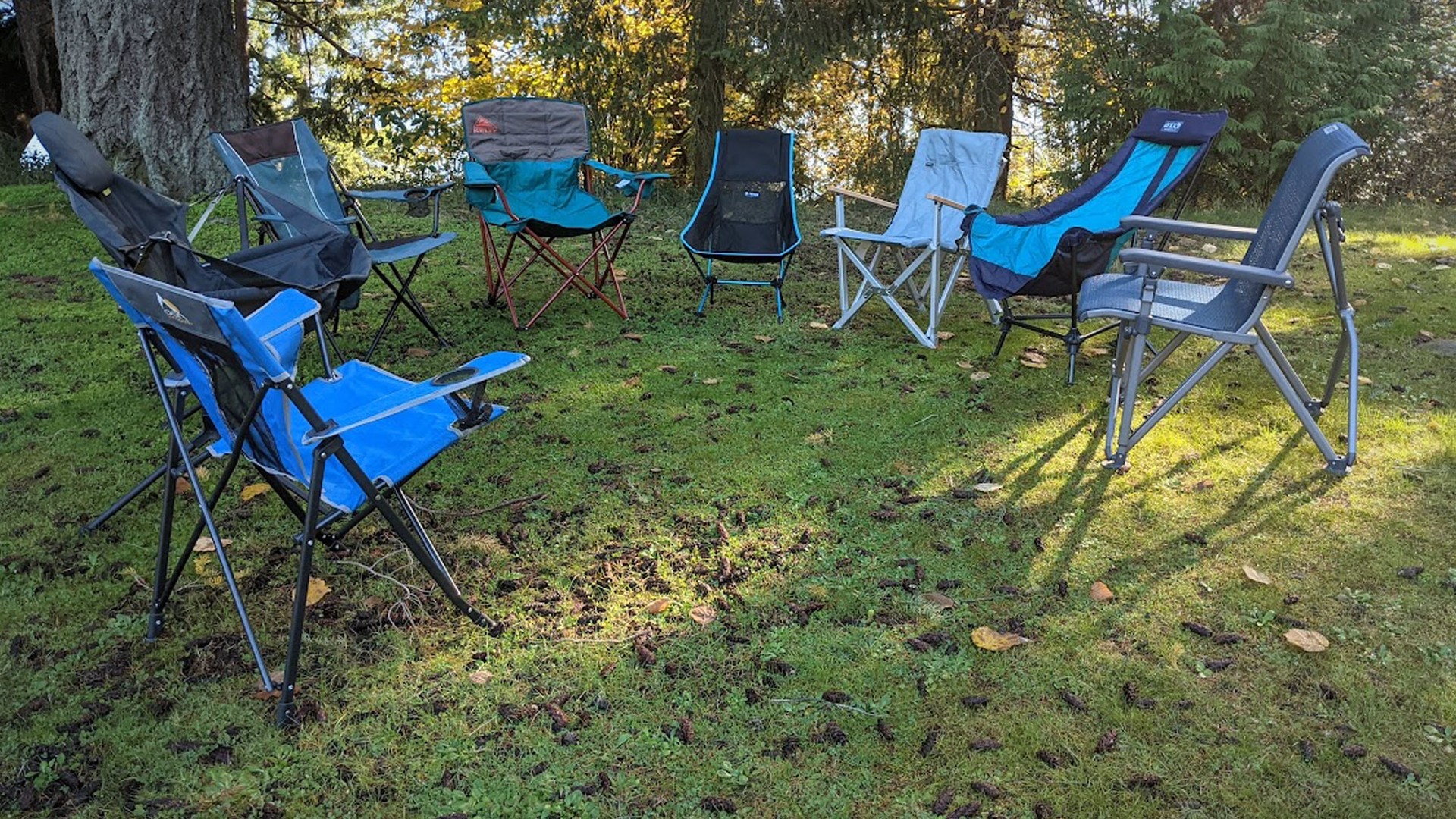
Spring Outdoor Gear Essentials 2026: Fishing, Camping & Turkey Season
Complete spring outdoor gear guide covering coolers, tackle boxes, fishing lures, camping chairs, bug protection, and turkey season essentials. YETI, RTIC, Plano, Thermacell, and more reviewed with prices.
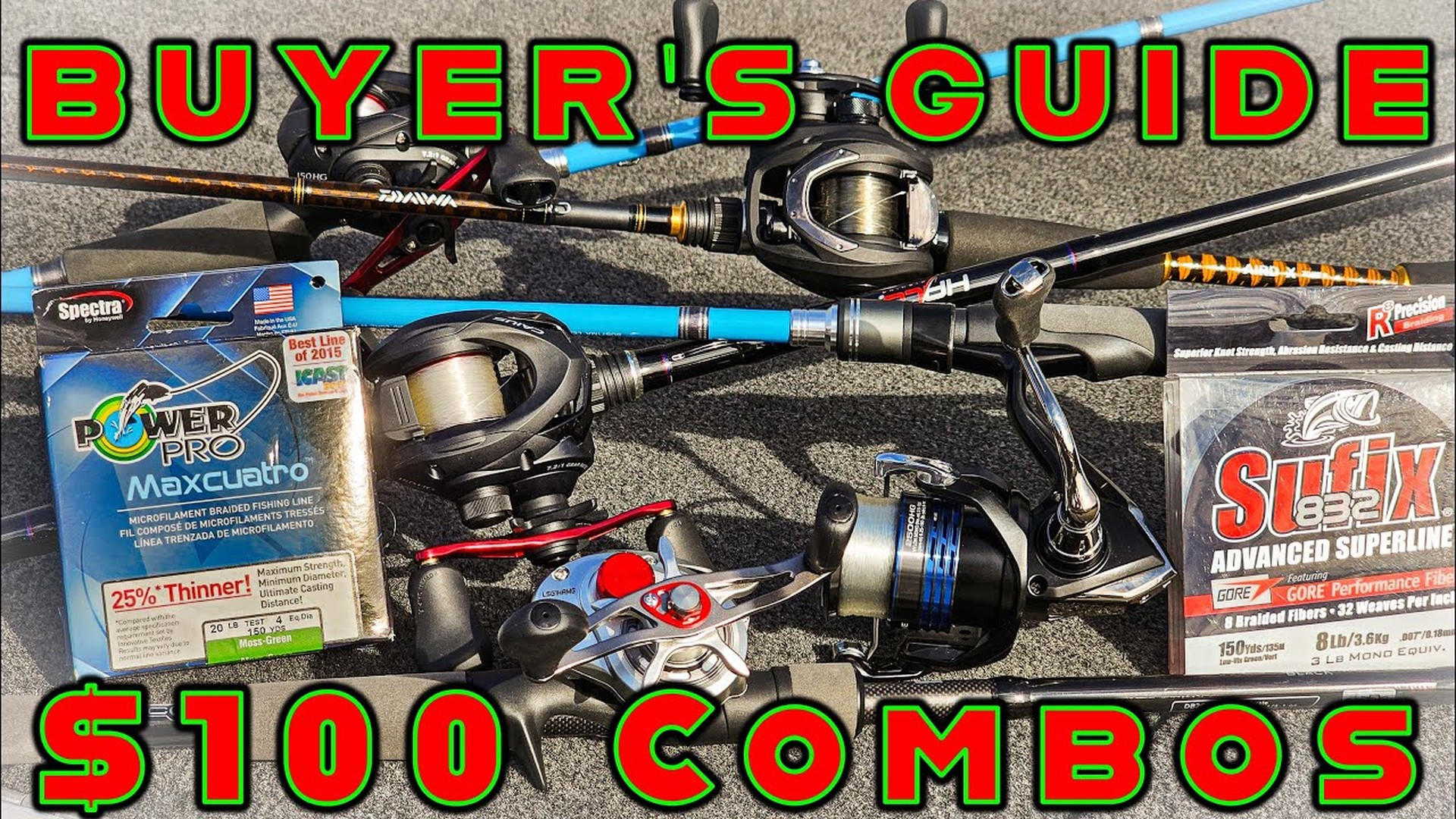
Best Fishing Rod & Reel Combos 2026: Bass, Walleye & Panfish Picks
Expert-tested rod and reel combos from $60 to $500. Shimano, Abu Garcia, St. Croix, Lew's and Daiwa compared. Spinning vs baitcasting, power/action guide, and best combo for every species and technique.
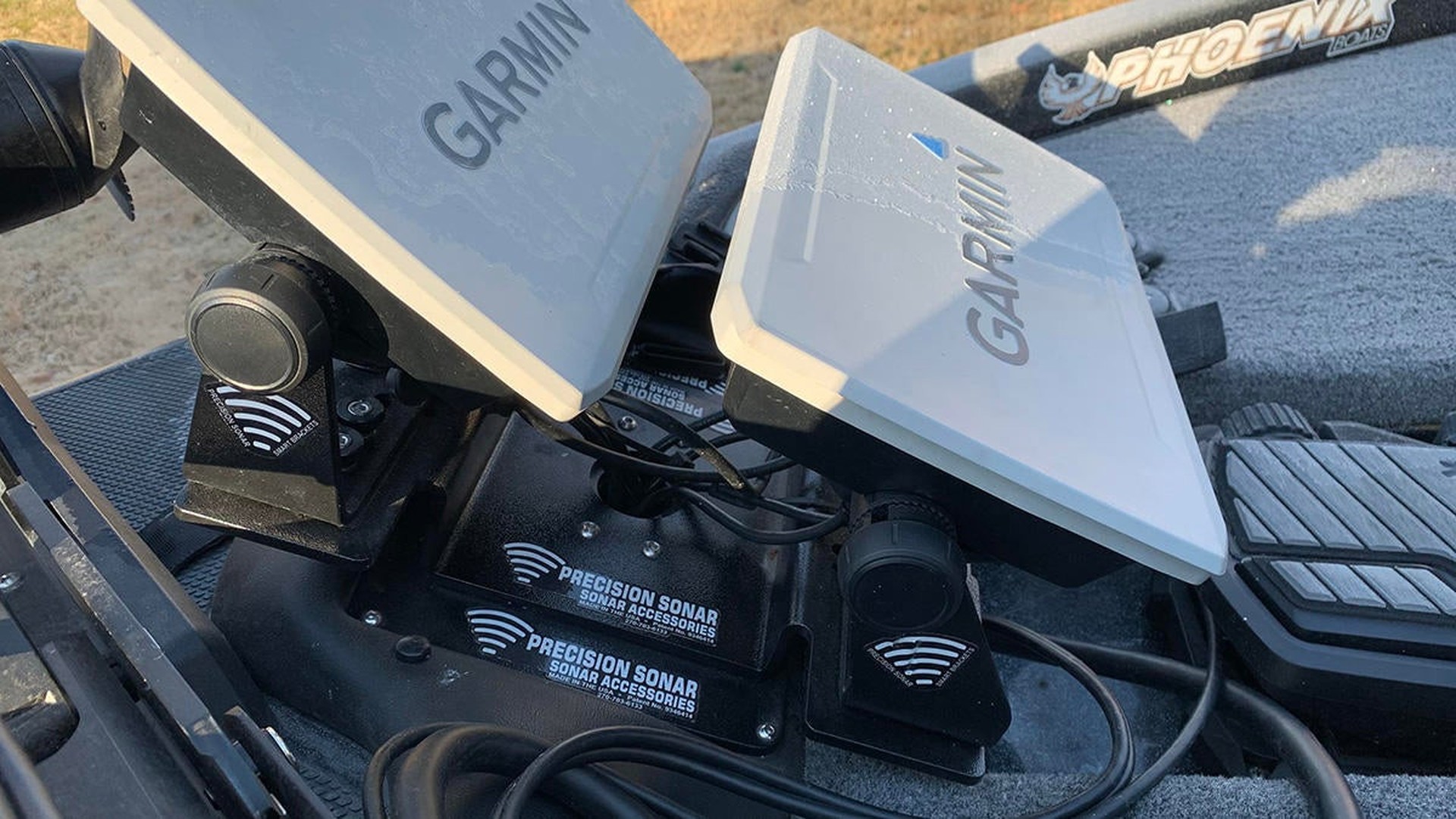
Best Fish Finders for 2026: Sonar, GPS & Live Imaging Compared
Expert-tested fish finder reviews from $200 to $2,000+. Garmin ECHOMAP, Lowrance HOOK, Humminbird HELIX compared. Sonar types explained, GPS mapping, live imaging technology & installation guide for kayak, bass boat & ice fishing.