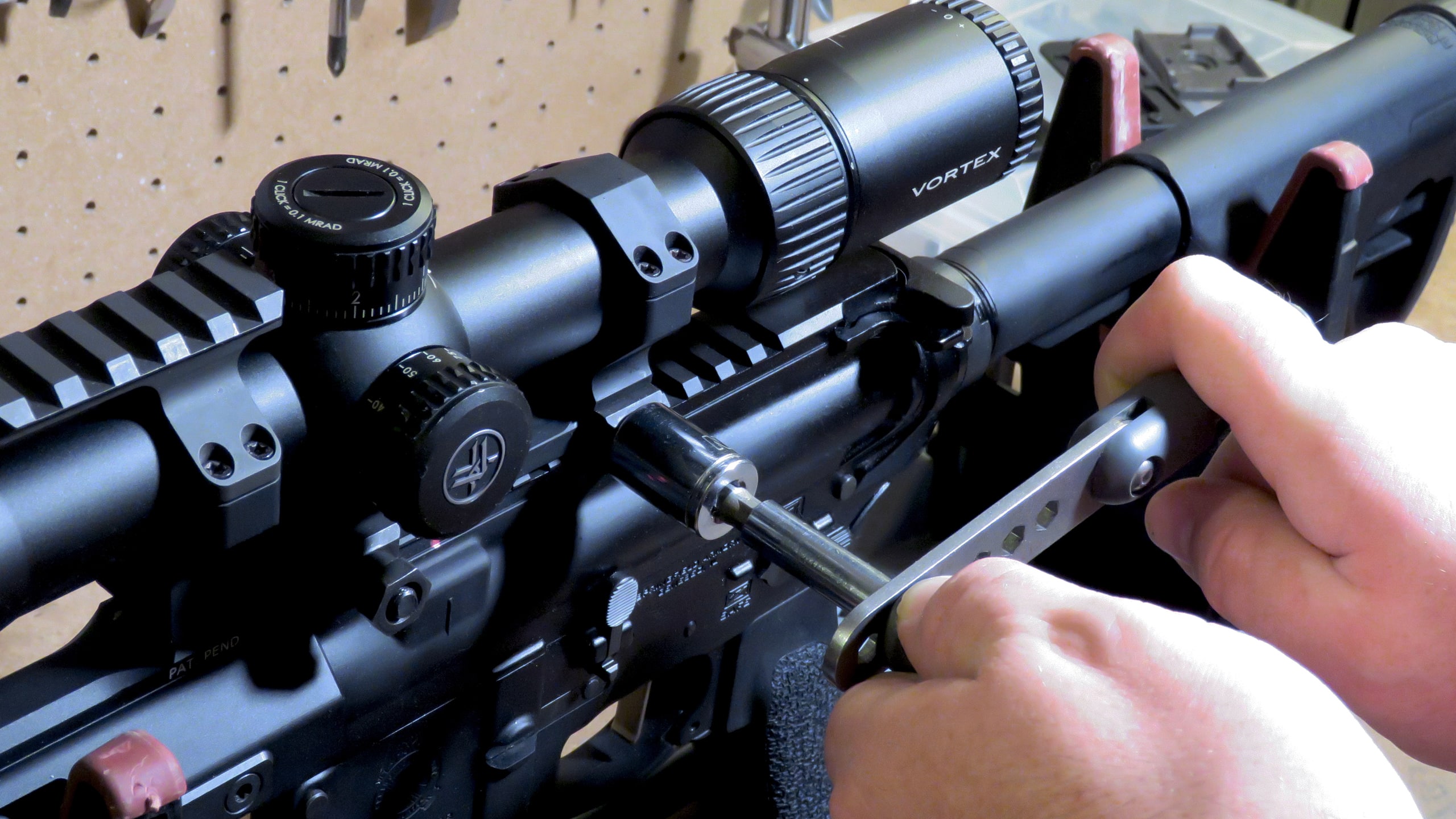
Best Rifle Scopes for Hunting 2026: Expert Tested & Ranked
Affiliate Disclosure: This article contains affiliate links. If you purchase through these links, we may earn a commission at no extra cost to you. This helps support our site and allows us to continue creating in-depth gear reviews. Our recommendations are based on independent testing and research.
Your rifle scope is arguably the most critical piece of equipment in your hunting setup. A mediocre rifle with an excellent scope will outperform an excellent rifle with a mediocre scope every single time. After 52 years of hunting — from timber whitetails at 40 yards to open-country mule deer at 400 — I've tested, broken, and replaced enough scopes to know exactly what matters and what's just marketing fluff. This guide covers the best hunting scopes from $200 to $800, with honest assessments based on real field conditions, not controlled indoor tests.
How We Tested These Scopes
Every scope in this review was mounted on a hunting rifle and used in actual field conditions — rain, snow, extreme cold, predawn darkness, and harsh sun glare. We evaluated optical clarity at dawn and dusk (the critical 15-minute windows when most game moves), mechanical reliability of turret adjustments, reticle usability at varying distances, and durability after being banged against treestands, truck beds, and ground blinds. We tested each scope for a minimum of one full hunting season before including it in this review. Lab testing tells you about theoretical performance — field testing tells you what actually happens when a mature buck steps out at last light and your hands are shaking.
Quick Comparison: Best Rifle Scopes at a Glance
Best Overall: Vortex Viper HS 4-16x44
The Vortex Viper HS 4-16x44 represents the sweet spot where serious optical quality meets reasonable pricing. The fully multi-coated lenses deliver edge-to-edge clarity that rivals scopes costing $200 more. At dawn and dusk — the minutes that matter most — the Viper HS gathers light aggressively, keeping targets defined and visible when cheaper scopes turn everything into murky shadows. The Dead-Hold BDC reticle is intuitive for holdover shots without requiring turret dialing, which matters when a buck gives you three seconds to make a shot happen.
Build quality is outstanding for the price. The 30mm main tube provides generous internal adjustment range, and turrets click with precision and repeatability. I've run this scope through two full hunting seasons in conditions ranging from 10°F treestand sits to rainy stalks through thick brush. Zero has never shifted. The exposed turrets feel solid but are capped to prevent accidental bumps from moving your point of impact — a smart design choice for hunting applications. At $450-500, this is the scope I recommend to any serious hunter who wants premium performance without the premium price tag.
Viper HS Pros and Cons
- Pros: Exceptional low-light performance, rock-solid zero retention, intuitive BDC reticle, lifetime VIP warranty, excellent eye relief (4 inches)
- Cons: Slightly heavy at 18.4 oz compared to Leupold competitors, exposed turrets may snag on brush if caps are removed, parallax adjustment can be stiff in extreme cold
Best for Whitetail: Leupold VX-3HD 3.5-10x40
For timber hunting where shots are typically 30-200 yards and speed matters more than magnification, the Leupold VX-3HD is exceptional. The 3.5x low end provides a wide field of view for tracking moving deer through thick cover, while 10x is more than enough for any reasonable whitetail shot. Leupold's Twilight Max HD Light Management System delivers dawn/dusk clarity that competes with scopes twice the price — this is where Leupold's decades of American-made optical engineering really shines.
The VX-3HD weighs just 12.6 ounces, making it noticeably lighter than the Vortex Viper. On a rifle you carry through timber all day, those 6 ounces matter. The Custom Dial System (CDS-ZL2) allows you to order a custom turret matched to your specific load and zero distance — a feature no other manufacturer offers at this price point. Glass quality is superb with minimal chromatic aberration. The main drawback is price: at $500-600, you're paying a premium for the Leupold name and American manufacturing. But if your primary hunting is eastern whitetails from treestands or ground blinds inside 250 yards, this scope is nearly perfect for the application.
VX-3HD Pros and Cons
- Pros: Incredibly lightweight (12.6 oz), outstanding low-light transmission, Custom Dial System, scratch-resistant DiamondCoat 2 lens coating, made in USA
- Cons: Higher price than comparable Vortex models, 1-inch tube limits adjustment range for long-range use, dial-up turret system requires pre-planning your dope
Best Value: Burris Veracity HP 3-15x44
The Burris Veracity HP punches well above its $350-400 price point. The optical quality is genuinely impressive — I did a side-by-side comparison with the Vortex Viper HS at dusk and the difference was marginal, which is remarkable given the $100+ price difference. The E1 FFP reticle in the first focal plane model means your subtension holdovers remain accurate at any magnification, a critical feature for hunters who take shots at varying distances without time to dial turrets.
The Veracity HP features a 30mm main tube, exposed locking turrets with zero-stop functionality, and a side-parallax adjustment. Mechanical quality is solid — turret clicks are tactile and audible, though not quite as refined as the Vortex Viper's. The HiLume multi-coating system provides excellent light transmission across the spectrum. Where the Veracity falls slightly short is in extreme low-light conditions below 10 minutes before legal shooting time — the Vortex and Leupold both maintain target definition slightly longer. But for 95% of hunting situations, you won't notice the difference, and the $100+ savings buys a lot of ammunition for practice.
Veracity HP Pros and Cons
- Pros: Outstanding value for money, FFP reticle option, locking turrets with zero-stop, excellent mechanical precision, Burris Forever Warranty
- Cons: Slightly lower low-light performance than premium competitors, side parallax adjustment knob is small and hard to grip with gloves, turret markings could be bolder
Best Budget: Vortex Diamondback Tactical 4-16x44
For hunters who need serious magnification range and reliable performance without breaking $350, the Diamondback Tactical delivers. This scope uses the same optical system architecture as more expensive Vortex models, scaled down to a budget-friendly price point. The VMR-1 MOA reticle provides clean, uncluttered holdover references without obscuring the target. Optical clarity is good — not great at the extreme edges, but perfectly serviceable for hunting applications where you're focused on the center of the image.
The Diamondback Tactical has earned a reputation as the best sub-$350 hunting scope on the market, and I agree with that assessment. Turret tracking is accurate and repeatable, the 30mm tube provides adequate adjustment range, and the exposed turrets are capped for field protection. The glass is fully multi-coated and handles direct sunlight without excessive flare. For deer hunting at distances up to 400 yards, you'd be hard-pressed to find a meaningful performance advantage in any scope under $450. The main compromise is low-light performance — at the very edges of legal shooting time, the Diamondback gives up 2-3 minutes of usable light compared to the Viper HS. For most hunters, that's an acceptable trade-off for saving $150.
Diamondback Tactical Pros and Cons
- Pros: Best optics under $350, reliable turret tracking, capped turrets for field protection, lightweight at 15.6 oz, VIP lifetime warranty
- Cons: Low-light performance inferior to $400+ scopes, slight edge distortion at maximum magnification, eye box is tighter than Viper HS
Best Entry Level: Leupold VX-Freedom 3-9x40
The Leupold VX-Freedom represents the absolute floor of what I'd recommend for a hunting scope. Below this price point ($200-250), optical quality drops off dramatically and you start seeing reliability issues that simply aren't acceptable when an ethical shot on an animal is at stake. The VX-Freedom delivers clean, bright glass, dependable zero retention, and the Leupold name backed by their excellent warranty. The 3-9x magnification range covers 90% of all hunting scenarios in North America.
This scope shines on lever-action rifles, youth rifles, and backup hunting guns where you need reliable optics without overspending. The Twilight Light Management System provides solid low-light capability that outperforms its price bracket. At 11.2 ounces, it's the lightest scope in this review — perfect for mountain rifles and all-day carries. The main limitation is the 1-inch main tube, which restricts internal adjustment range compared to 30mm scopes. For shots beyond 300 yards, you'll want a scope with more adjustment capability. But for the vast majority of hunting situations inside that range, the VX-Freedom is an honest, reliable tool that will serve you for years.
VX-Freedom Pros and Cons
- Pros: Extremely lightweight (11.2 oz), reliable zero, excellent for lever-actions and youth rifles, Leupold quality at entry price, simple and durable
- Cons: 1-inch tube limits long-range adjustment, fewer turret features than premium models, no FFP option available, coatings not as advanced as VX-3HD
Best Long Range: Vortex Viper PST Gen II 5-25x50
For western hunters shooting mule deer, elk, and pronghorn at distances beyond 400 yards, the Vortex Viper PST Gen II is the scope to beat under $800. The 5-25x magnification range covers everything from moderate-distance timber shots to 800+ yard open country opportunities. The 50mm objective lens gathers massive amounts of light, extending your effective shooting window deeper into dawn and dusk than any other scope in this review. The EBR-7C MRAD reticle in the first focal plane is a precision tool — windage and elevation holdovers stay calibrated at every magnification level.
The mechanical precision of this scope is remarkable for the price. Turret tracking tested at 99.8% accuracy over repeated box tests — a number that approaches scopes costing $1,500+. The zero-stop feature prevents you from accidentally dialing below your zero, and turret clicks are among the most defined I've ever felt in a hunting scope. Build quality is tank-like with a 30mm tube, aircraft-grade aluminum body, and O-ring sealing that's been proven waterproof through countless rainstorms and stream crossings. If you hunt western big game and take shots beyond 400 yards regularly, this scope is worth every dollar. For eastern whitetail hunters who rarely shoot past 200 yards, it's more scope than you need — save $300 and buy the Viper HS instead.
Viper PST Gen II Pros and Cons
- Pros: Exceptional turret precision, FFP reticle, massive light-gathering capability, outstanding mechanical quality, VIP lifetime warranty
- Cons: Heavy at 27.3 oz, 5x minimum magnification too high for close-range timber hunting, requires 30mm rings (additional cost), parallax wheel can be stiff when cold
Best Rifle Scope for Each Hunting Scenario
Matching the right scope to your hunting style matters more than buying the most expensive option. Here's a quick reference guide:
- Eastern Whitetails (treestands, 30-200 yds): Leupold VX-3HD 3.5-10x40 — lightweight, fast target acquisition, superb low-light glass
- Midwest Agriculture (field edges, 100-400 yds): Vortex Viper HS 4-16x44 — versatile magnification range, reliable BDC holdovers
- Western Big Game (open country, 200-600+ yds): Vortex Viper PST Gen II 5-25x50 — long-range precision with excellent turret tracking
- Turkey/Shotgun Slug Gun (close range, 20-150 yds): Leupold VX-Freedom 3-9x40 — lightweight, simple, low magnification for fast shots
- Budget All-Arounder (any scenario under $350): Vortex Diamondback Tactical 4-16x44 — best optics-per-dollar in the hunting scope market
- Youth/Beginner Rifle: Leupold VX-Freedom 3-9x40 — lightweight enough for smaller shooters, reliable enough to build confidence
Rifle Scope Buying Guide: What Actually Matters
Magnification Range
More magnification is not always better. For timber hunting, 3-10x covers every realistic scenario. For open country, 4-16x handles 90% of shots. The only hunters who genuinely need 5-25x are long-range western big game hunters regularly shooting beyond 500 yards. Higher magnification also means higher weight, more parallax sensitivity, and narrower eye boxes — all negatives for hunting situations where speed matters.
Objective Lens Size
The objective lens (the big end) determines how much light enters the scope. A 40mm objective is standard and adequate for most hunting. A 44mm objective adds noticeable low-light advantage. A 50mm objective is optimal for dawn/dusk shooting but adds weight and requires higher mounting rings that can affect cheek weld. For dedicated treestand hunters, 40mm saves weight without meaningful light loss at typical hunting distances.
Tube Diameter: 1-Inch vs 30mm
A 30mm main tube provides approximately 20% more internal adjustment range than a 1-inch tube. This matters for long-range shooting and custom turret systems. For hunting inside 300 yards, a 1-inch tube is perfectly adequate and allows the use of lighter, less expensive rings. If you plan to dial turrets for distance shots beyond 300 yards, invest in a 30mm tube scope.
Reticle Type: BDC vs MOA vs MRAD
BDC (Bullet Drop Compensator) reticles are fastest for hunting — hold the appropriate hash mark on the target and shoot. They're calibrated for specific caliber/velocity combinations and lose accuracy with different loads. MOA and MRAD reticles are more precise and universal but require you to know your drop data. For 80% of hunters, a quality BDC reticle is the best choice. For precision long-range hunters, MOA or MRAD in first focal plane is superior.
First Focal Plane vs Second Focal Plane
First focal plane (FFP) scopes keep the reticle subtensions accurate at every magnification — essential for precision holdover shooting at varying power levels. Second focal plane (SFP) scopes maintain a consistent reticle size regardless of magnification, which is visually cleaner at low power. For hunting, SFP is perfectly fine unless you regularly shoot at distance using reticle holdovers instead of dialing turrets. The Burris Veracity HP and Vortex Viper PST Gen II both offer excellent FFP options for hunters who want that flexibility.
Glass Quality and Coatings
This is where price directly correlates with performance. "Fully multi-coated" is the minimum standard — it means every air-to-glass surface has multiple anti-reflective coating layers, maximizing light transmission. Premium coatings (Leupold's DiamondCoat 2, Vortex's ArmorTek) add scratch resistance and hydrophobic properties that keep glass clearer in rain and snow. The practical difference between good coatings and great coatings shows up in the last 10 minutes of legal shooting light — when it matters most.
Common Rifle Scope Mistakes to Avoid
- Buying too much magnification: A 6-24x scope on a deer rifle used at 100-200 yards is wasted money and added weight. Match the scope to your actual shooting distances.
- Cheap rings and bases: A $500 scope mounted in $20 rings will never hold zero reliably. Budget $50-100 for quality mounting hardware — Vortex, Leupold, and Warne all make excellent options.
- Ignoring eye relief: Scopes with less than 3.5 inches of eye relief will bite you during recoil. Magnum calibers need 4+ inches minimum. Check before you buy.
- Not testing at low light: Every scope looks good at noon on a clear day. Test yours during the 15 minutes before and after legal shooting time — that's when optical quality becomes apparent.
- Skipping the proper zero: Read our complete rifle scope zeroing guide before mounting any new optic. A proper 100-yard zero takes 20 rounds and 30 minutes.
Scope Maintenance and Care
Protect your investment with basic maintenance. Use lens caps religiously — butler creek flip-up caps cost $10 and prevent the scratches that degrade image quality. Clean lenses only with a lens pen or optical-quality microfiber cloth — never use your shirt, paper towels, or general-purpose cloths that can scratch coatings. Store rifles muzzle-down to prevent scope internals from shifting due to gravity over long storage periods. If your scope fogs internally, it has a seal failure — send it in for warranty repair immediately rather than continuing to use it.
Check ring torque annually with a torque wrench. Loose rings are the number one cause of "wandering zero" that hunters blame on the scope itself. Base screws should be torqued to 25 inch-pounds, ring screws to 15-18 inch-pounds (check your manufacturer's spec). Apply a thread-locking compound like Loctite Blue 242 to all screws for additional security against vibration loosening.
Where to Buy These Scopes
Check Price on Amazon →
Check Price on Amazon →
Check Price on Amazon →
Check Price on Amazon →
Check Price on Amazon →
Check Price on Amazon →
After 52 years behind a rifle scope, I've learned that the best scope is the one matched to your specific hunting application — not the most expensive one on the shelf. A $250 Leupold VX-Freedom on a .30-30 lever gun kills just as many whitetails as a $800 Vortex Viper PST on a custom bolt action. Buy the best glass you can afford for your primary hunting scenario, mount it properly with quality rings, zero it carefully using our step-by-step guide, and trust it when the moment of truth arrives. The scope is your window to the shot — make sure it's clear, reliable, and matched to the distance you actually shoot. Your next trophy is waiting on the other side of that glass.
Get More Gear Guides
Join 10,000+ hunters and get our free Ultimate Gear Checklist plus weekly reviews delivered to your inbox.
Share this guide:
Related Articles
Spring Outdoor Gear Essentials 2026: Fishing, Camping & Turkey Season
Complete spring outdoor gear guide covering coolers, tackle boxes, fishing lures, camping chairs, bug protection, and turkey season essentials. YETI, RTIC, Plano, Thermacell, and more reviewed with prices.
Best Fishing Rod & Reel Combos 2026: Bass, Walleye & Panfish Picks
Expert-tested rod and reel combos from $60 to $500. Shimano, Abu Garcia, St. Croix, Lew's and Daiwa compared. Spinning vs baitcasting, power/action guide, and best combo for every species and technique.
Best Fish Finders for 2026: Sonar, GPS & Live Imaging Compared
Expert-tested fish finder reviews from $200 to $2,000+. Garmin ECHOMAP, Lowrance HOOK, Humminbird HELIX compared. Sonar types explained, GPS mapping, live imaging technology & installation guide for kayak, bass boat & ice fishing.