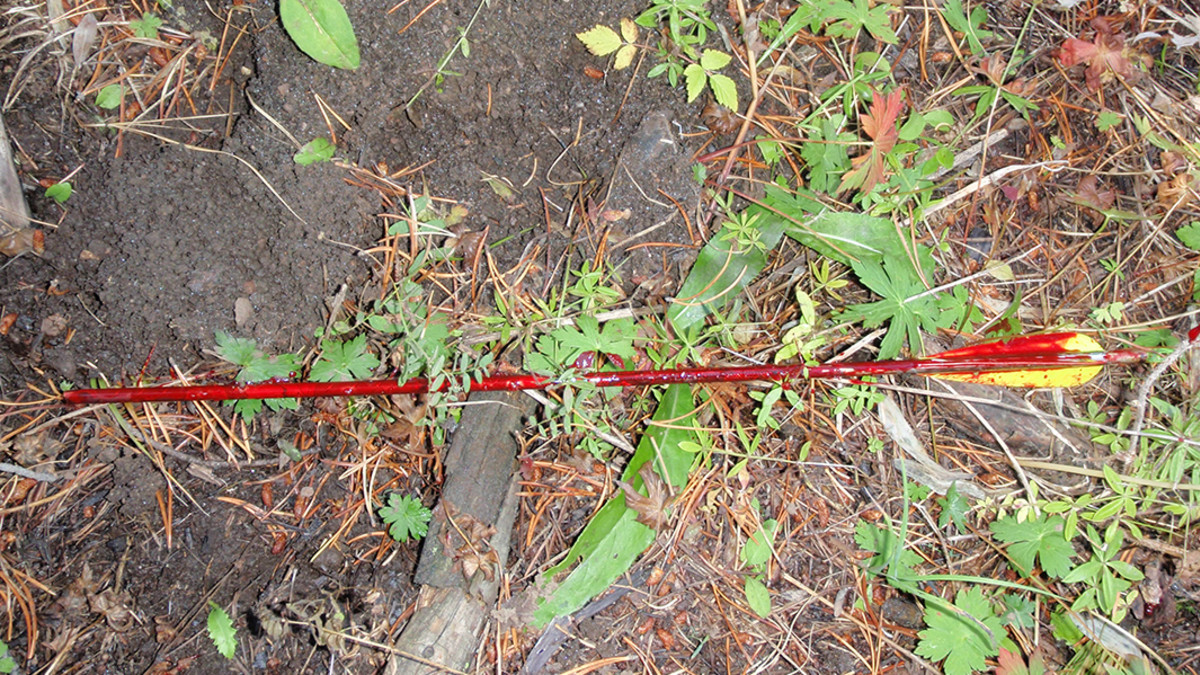
How to Blood Trail a Deer: Step-by-Step Guide
Affiliate Disclosure: This article contains affiliate links. If you purchase through these links, we may earn a commission at no extra cost to you. This helps support our site and allows us to continue creating in-depth gear reviews. Our recommendations are based on independent testing and research.
The shot was good—you heard the hit, watched the deer run. Now comes the critical phase that determines whether you recover your deer or not: blood trailing. Knowing how to properly follow a blood trail is an essential skill that every deer hunter must develop. Here's a step-by-step guide to tracking shot game.
Immediately After the Shot
Step 1: Stay Put
The single most important thing you can do after the shot is nothing. Stay in your stand or blind. Don't move. Don't immediately climb down to start tracking. Watch the deer as far as you can, listen for crashing, and note the last spot you saw the deer and the direction it was heading.
Step 2: Mark the Time
Check your phone or watch and note the exact time of the shot. This determines how long you should wait before tracking. Premature tracking is the number one reason hunters lose deer—a pushed, wounded deer will run much farther than one left alone to expire.
Step 3: Replay the Shot
While you wait, mentally replay the shot. Where did you aim? Did the deer react (mule kick, hunch, drop, sprint)? What did the hit sound like? These details help you determine shot placement and dictate your tracking strategy.
Wait Times by Shot Placement
- Double-lung/Heart: Wait 30 minutes. Deer rarely travels more than 100 yards.
- Single lung: Wait 2-3 hours. Deer can travel 200+ yards.
- Liver hit: Wait 4-6 hours minimum, preferably 8. Dark blood, slow recovery.
- Gut shot: Wait 8-12 hours minimum. Back out and wait overnight if possible.
- Uncertain placement: Wait 4 hours minimum. When in doubt, wait longer.
Reading Blood Sign
Blood Color and What It Tells You
- Bright red, frothy/bubbly blood: Lung hit. The froth comes from air mixing with blood in the lungs. This is the best scenario—the deer will be dead within 100 yards typically.
- Bright red, heavy blood: Heart or major artery hit. Deer will hemorrhage quickly. Look for a heavy blood trail that increases as you go.
- Dark red blood: Liver or kidney hit. Fatal, but slower. The deer will bed down if unpushed. Dark blood without stomach contents is a good sign—just give it time.
- Blood with green/brown material or food particles: Gut/stomach hit. The deer can survive for hours. This requires maximum patience and likely a long, sparse blood trail.
- Pink, watery blood: Muscle hit (non-fatal) or superficial wound. Blood trail often diminishes and stops.
Blood Patterns
- Blood on both sides of the trail: Pass-through shot—blood is exiting from both the entry and exit wounds. This is ideal because it produces the most blood loss and easiest trail.
- Blood on one side only: The projectile didn't exit, or one wound is higher than the other. The deer may leave less blood, especially if the entry wound is high.
- Blood spray patterns: Look for blood sprayed on vegetation to the sides—this indicates arterial bleeding as the heart pumps blood out forcefully with each beat.
The Tracking Process
Step 1: Find the Hit Site
Go to the exact spot where the deer was standing when hit. Look for:
- Your arrow (for bowhunters)—examine the blood, hair, and smell on it
- Blood on the ground and vegetation
- Cut hair (different colors indicate different body areas—white belly hair vs brown body hair vs coarse leg hair)
- Tallow (white fatty tissue) which indicates a body cavity hit
Step 2: Mark Your Progress
As you follow the blood trail, mark each significant blood spot with flagging tape, toilet paper, or a pin drop on a GPS/phone app. This serves two purposes: you can look back and see the direction of travel, and if you lose the trail, you can return to the last known blood and restart.
Step 3: Stay Off the Blood
Walk to the side of the blood trail, not on it. Stepping on blood smears it and makes it harder to read. Keep the actual blood drops undisturbed so you can reference them if needed.
Step 4: Look Ahead, Not Down
Many trackers make the mistake of staring at the ground directly at their feet. Instead, scan 10-20 feet ahead. Blood drops are easier to spot from a slight distance because the angle of light catches them differently.
Step 5: When the Trail Goes Cold
When you lose the blood trail:
- Stop immediately. Don't wander.
- Mark the last blood spot.
- Get on your hands and knees—blood drops invisible while standing often appear at ground level.
- Search in concentric circles from the last blood, spiraling outward.
- Check the undersides of leaves and on vegetation at body height—blood transfers to everything the deer brushes against.
- Look for disturbed leaves, broken twigs, and scuffed bark on trails.
- If the deer was running, blood tends to be ahead of the tracks due to forward momentum.
Essential Tracking Tools
- Quality flashlight/headlamp: Blood appears dark and hard to see at night. A bright headlamp is essential for evening recoveries. Some hunters swear by blue or UV flashlights that make blood fluorescence under certain wavelengths.
- Flagging tape: Bright surveyor's tape for marking blood spots. Cheap and lightweight—always carry a roll.
- Hydrogen peroxide: In a small spray bottle, hydrogen peroxide fizzes and bubbles when it contacts blood—even small amounts invisible to the naked eye. This is incredibly useful for confirming suspected blood spots.
- Knee pads: You'll spend time on your hands and knees. Lightweight foam knee pads make this much more comfortable.
- Tracking dog contact: In many states, trained tracking dogs are legal and incredibly effective. Have a tracking dog handler's number saved before season opens. They can find deer that would otherwise be lost.
Common Blood Trailing Mistakes
- Tracking too soon: The #1 mistake. A pushed deer pumps adrenaline, stops bleeding, and can run for miles.
- Too many trackers: Limit your tracking party to 2-3 people. More than that tramples sign and creates confusion.
- Giving up too early: We've recovered deer with blood trails that went completely cold for 50+ yards before picking up again in a bed.
- Not marking blood: Without markers, you can't determine direction of travel or return to the last known spot.
Final Thoughts
Blood trailing is both a science and an art that improves with experience. The most important principles are simple: wait long enough before tracking, mark your progress, and be methodical. Every deer deserves our best effort at recovery. Take the time, do it right, and the venison in your freezer will taste even better knowing you earned it through persistence and skill.
Blood Trail Scenarios: What to Expect
Double-Lung Hit
This is the ideal shot placement. Blood is bright red (oxygenated), often frothy with tiny bubbles from lung tissue. The blood trail is heavy from the start and typically ends within 100-150 yards. You'll often find the deer within sight of the last blood. Wait 30-45 minutes before tracking — even a perfectly hit deer can run 100 yards before collapsing.
Heart Shot
Heart-shot deer often sprint 50-100 yards, then crash. The blood trail is dark red and extremely heavy — often continuous sheets of blood on the ground rather than individual drops. The initial 20-30 yards may show little blood as the chest cavity fills, then the trail becomes unmistakable. Recovery distance is typically under 100 yards.
Liver Hit
Liver blood is dark maroon — darker than muscle blood but without the bright red of lung blood. The blood trail starts slow and builds as the deer travels. A liver-hit deer is fatal but slower to expire — wait 4-6 hours before tracking. If you push a liver-hit deer, it will run considerable distance and may require extensive trailing. Patience is everything with liver hits.
Gut Shot
The most challenging recovery scenario. Blood is sparse and may contain green/brown material (digestive contents) with a distinct foul odor. Gut-shot deer can survive for 8-12 hours and travel over a mile if pushed. The absolute minimum wait time is 8 hours, preferably overnight. Mark the last blood and back out quietly. Return the next morning and grid-search the area methodically.
Muscle/Non-Vital Hit
Bright red blood without froth suggests a muscle hit. Blood trails from muscle wounds often start heavy then taper off as blood clots and the wound closes. These deer can survive and recover. Follow the trail as far as blood continues, then grid-search the surrounding area. If no deer is found within 300 yards of the last blood, the deer likely survived. Mark the location and return the next day to search again.
Tools That Make Blood Trailing Easier
Blood-Tracking Lights
Specialized blood-tracking lights use specific light wavelengths that make blood fluoresce against natural backgrounds. Blue and UV lights make blood glow bright against leaves and dirt. Red lights enhance the contrast of dried blood that white light washes out. A blood-trailing specific light like the Primos Bloodhunter is far more effective than a standard headlamp for nighttime trailing.
Hydrogen Peroxide
Carry a small spray bottle of hydrogen peroxide. Sprayed on suspected blood spots, hydrogen peroxide fizzes on contact with blood (even dried or faint blood) while showing no reaction on dirt, berry juice, or other substances that mimic blood in dim light. This simple test eliminates false positives and confirms true blood when the trail gets thin.
Tracking Dogs
In states where legal, a trained tracking dog can recover deer that human tracking would miss. Dogs follow the scent of the deer itself, not just the blood trail. If you lose a blood trail and can't find the deer, many states have volunteer tracking dog services. Check your state regulations and save the contact information before hunting season — you'll need it when the pressure is on.
When to Call Off the Search
This is the hardest decision in deer hunting. You've followed a blood trail for 400 yards, it's gone cold, and you can't find the deer. When do you stop?
The ethical answer: never stop easily. Grid-search the area within 200 yards of the last confirmed blood. Check creek beds, thick cover patches, and low spots where a wounded deer would seek water and concealment. Bring friends to help with the grid search — more eyes cover more ground.
If after an exhaustive search you can't find the deer, mark the location on GPS and return the next morning. Vultures, crows, and coyote activity can guide you to a downed deer the following day. If the deer survived (as with some muscle hits), it's better to leave the area undisturbed so the animal can recover.
Building a Blood Trailing Kit
Serious deer hunters assemble a dedicated blood trailing kit that stays in their pack or truck throughout the season. The essentials include:
- Blood-tracking flashlight: LED lights with a blue or green filter make blood fluoresce against leaves and soil. The Primos Bloodhunter HD and Streamlight ProTac are popular choices under $40 that dramatically improve nighttime blood detection.
- Flagging tape or toilet paper: Mark every confirmed blood spot as you find it. Looking back at a line of markers reveals the direction of travel and helps you relocate the trail if you lose it ahead. Toilet paper works and biodegrades naturally — flagging tape must be collected later.
- Hydrogen peroxide: A small spray bottle of hydrogen peroxide foams when it contacts blood. Spray suspicious spots on leaves or soil to confirm whether a dark spot is blood or just moisture. This eliminates guesswork on marginal sign.
- Latex gloves: Keep your hands clean during trailing so you don't contaminate evidence or spread blood to surfaces that confuse the trail later.
- GPS device or phone: Mark the shot location, last blood, and recovery site. This data improves your understanding of shot angles and animal behavior for future situations.
Every missed recovery is painful. Channel that pain into better shot selection, better practice at the range, and a commitment to take only high-confidence shots at ethical distances. Prevention through good marksmanship is always better than even the best blood-trailing skills. Practice at the range until your confidence is absolute, know your maximum ethical distance, and never take a shot you aren't certain of. The best blood trail is the one that's short, heavy, and ends at a deer piled up within sight of your stand. Make every shot count and the tracking gets easier.
Recommended Blood Trailing Gear
Check Price on Amazon →
Check Price on Amazon →
Check Price on Amazon →
Get More Gear Guides
Join 10,000+ hunters and get our free Ultimate Gear Checklist plus weekly reviews delivered to your inbox.
Share this guide:
Related Articles
How to Call Turkeys: Complete Guide for Spring Season
Turkey calling is both art and science. Master the essential calls—yelps, clucks, purrs, and cuts—with this comprehensive guide covering call types, techniques, and real-world hunting strategies for spring gobblers.
How to Field Dress a Deer: Step-by-Step Guide
Proper field dressing preserves meat quality and makes processing easier. This step-by-step guide covers everything from first cuts to cooling, with tips from five decades of deer processing experience.
How to Zero a Rifle Scope: Step-by-Step Guide
A perfectly zeroed rifle scope is the foundation of every ethical shot. This step-by-step guide covers bore sighting, the box test, and field verification so you never miss because of bad zero.