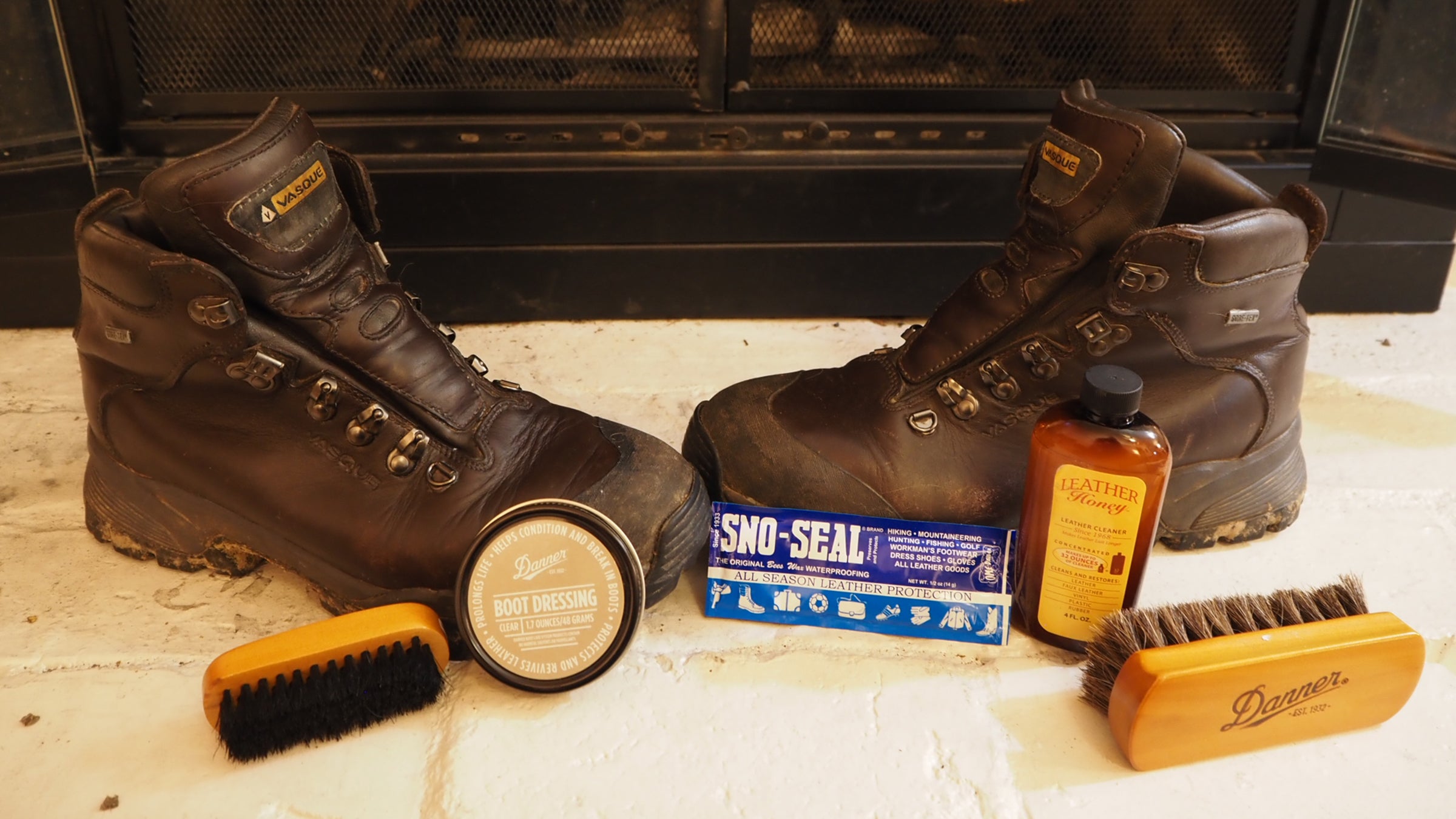
How to Clean and Maintain Hunting Boots: Complete Guide
Affiliate Disclosure: This article contains affiliate links. If you purchase through these links, we may earn a commission at no extra cost to you. This helps support our site and allows us to continue creating in-depth gear reviews. Our recommendations are based on independent testing and research.
Your hunting boots are the most abused piece of gear you own. They slog through mud, wade creeks, climb mountains, and sit in freezing temperatures — then get tossed in a closet until next season. Proper cleaning and maintenance can double the lifespan of quality boots, saving you hundreds of dollars and keeping your feet dry and comfortable when it matters most. Here's the complete guide to making your hunting boots last.
Why Boot Maintenance Matters
A quality pair of hunting boots costs $150-400. Replace them every 2 years from neglect, and you're spending $75-200 per year on footwear. Maintain them properly, and those same boots last 5-8 years — dropping the annual cost to $25-50. The math alone justifies the 30-60 minutes of maintenance per season.
But cost isn't the only factor. Well-maintained boots perform better. Conditioned leather remains supple and waterproof. Clean lug soles grip better than clogged ones. Fresh insoles provide better support and comfort. Maintained boots fit better because the materials retain their designed shape rather than breaking down into a shapeless mess.
The worst outcome of neglected boots isn't replacement cost — it's waterproofing failure on day 3 of a backcountry hunt. Wet feet in cold conditions aren't just uncomfortable; they're a genuine safety risk. Proper maintenance prevents this.
Post-Hunt Cleaning (After Every Hunt)
Step 1: Remove Insoles and Laces
This is the step most hunters skip — and it's the most important. Pulling insoles allows the interior to dry completely, preventing the bacteria and mold that cause odor and material breakdown. Removing laces opens the tongue area for airflow and lets you clean under the tongue where dirt accumulates.
Stand the insoles upright to air dry separately. Toss muddy laces in a mesh laundry bag and wash with your hunting clothes. Replace laces annually — they're cheap ($5-8) and fresh laces prevent mid-hunt breakage.
Step 2: Remove Loose Dirt and Debris
Bang the soles together to knock off caked mud. Use a stiff nylon brush (an old toothbrush works for detail areas) to clean mud from lug treads, the welt where the sole meets the upper, and around eyelets and speed hooks. Do this while the mud is still slightly damp — dried mud is harder to remove and can scratch leather.
For rubber boots (like LaCrosse Alphaburly Pro), a garden hose works fine. For leather boots, avoid blasting water directly at seams — water pressure can force moisture past waterproof membranes.
Step 3: Clean the Uppers
The cleaning method depends on your boot material:
Full-Grain Leather
Wipe with a damp cloth to remove surface dirt. For stubborn stains, use a dedicated leather cleaner like Nikwax Footwear Cleaning Gel or saddle soap (apply sparingly with a damp sponge, then wipe clean). Avoid household soaps or detergents — they strip natural oils from leather and accelerate cracking.
Nubuck/Suede Leather
These textured leathers require gentler treatment. Use a suede brush (rubber nub type) to restore the nap after drying. For stains, Nikwax Nubuck & Suede Proof works as a cleaner and re-waterproofer in one step. Never use leather conditioners designed for smooth leather on nubuck — they darken the material permanently.
Synthetic/Cordura Uppers
Synthetic uppers are the easiest to clean. A damp cloth with mild soap handles most dirt. Rinse with a damp cloth. Air dry completely before applying any treatments. Synthetics don't need conditioning but do benefit from periodic waterproofing treatment.
Rubber Boots
Wash with water and mild soap. Rinse thoroughly. For persistent odor, fill with a baking soda solution (2 tablespoons per quart of water), let sit for 30 minutes, then rinse. Apply rubber conditioner (303 Aerospace Protectant works well) to prevent UV degradation and cracking.
Step 4: Dry Properly
This is where most boot damage occurs. Never use direct heat to dry hunting boots. No campfires. No radiators. No boot dryers on high settings. No car dashboards in summer. Direct heat cracks leather, degrades adhesives bonding the sole to the upper, and damages waterproof membranes. One night by the campfire can destroy $300 boots.
The correct method:
- Remove insoles and laces (already done in Step 1)
- Stuff with newspaper, paper towels, or a commercial boot dryer on LOW setting (below 105°F)
- Place in a well-ventilated area at room temperature
- Replace the stuffing after 4-6 hours when it's absorbed moisture
- Allow 24-48 hours for complete drying of leather boots
If you need boots dry faster, a fan directed at the boot openings accelerates drying without heat damage. Boot dryers like DryGuy or Peet are excellent — they use gentle warm air (below 105°F) to dry boots in 6-8 hours without damage. These are a worthwhile $40-50 investment for any serious hunter.
Conditioning and Waterproofing (3-4 Times Per Season)
Leather Conditioning
Leather is skin. Like your skin, it needs moisture to remain supple and functional. Without conditioning, leather dries out, cracks, and loses waterproofing. Condition your leather boots after every 4-6 hunts, or whenever the leather looks dry, light-colored (indicating moisture loss), or stiff.
Recommended products:
- Obenauf's LP (Leather Preservative): Our top pick. A beeswax-based treatment that conditions, waterproofs, and protects in one application. It slightly darkens leather. Apply with fingers (body heat helps the wax penetrate), work into all surfaces including seams and welt, then buff with a clean cloth after 30 minutes.
- Nikwax Waterproofing Wax for Leather: Excellent water-based option that doesn't darken leather as much as Obenauf's. Apply to clean, damp leather for best penetration.
- Sno-Seal: Traditional beeswax waterproofer that works well but significantly darkens leather. Best for work boots or boots where appearance isn't a concern.
Important: Do NOT use mink oil on hunting boots with waterproof membranes (GORE-TEX, UltraDry, etc.). Mink oil can clog the membrane pores, reducing breathability. Stick with wax-based treatments that condition the outer leather without affecting the membrane.
Waterproofing Synthetic and Nubuck Boots
Boots with GORE-TEX or similar waterproof membranes rely on the membrane for waterproofing, not the outer material. However, treating the outer material with a DWR (durable water repellent) coating prevents the outer fabric from absorbing water. When the outer soaks through (called "wetting out"), the boot becomes heavier and the membrane can't breathe as effectively.
- Nikwax Fabric & Leather Proof: Spray-on DWR treatment that restores water beading on both fabric and leather surfaces. Effective and easy to apply.
- Nikwax Nubuck & Suede Proof: Specifically designed for nubuck textures. Maintains the nap while restoring waterproofing.
- Gear Aid ReviveX: Spray-on DWR that works across multiple boot materials. Good all-purpose option.
Seasonal Deep Maintenance
Pre-Season Inspection (1 Month Before Hunting)
Before each hunting season, give your boots a thorough inspection:
- Sole integrity: Check for separation between the sole and upper at the welt. Small gaps can be sealed with Shoe Goo or Aquaseal. Major separation means re-soling or replacement.
- Tread depth: If lug treads are worn to less than 50% of original depth, traction on wet or icy surfaces is compromised. Time for new boots or re-soling.
- Waterproof membrane: Fill each boot with water and let it sit for 10 minutes. If water seeps through, the membrane has failed. For GORE-TEX boots, contact the manufacturer — many have waterproof guarantees.
- Insoles: Press the insole with your thumb. If it doesn't spring back, the cushioning is dead. Replace with quality aftermarket insoles (Superfeet Green or SOLE Performance Thick are excellent for hunting).
- Laces and hardware: Check for fraying laces, loose eyelets, or damaged speed hooks. Replace anything questionable before it fails in the field.
- Stitching: Inspect all visible stitching for loose or broken threads. Small repairs now prevent major failures later.
End-of-Season Storage
Proper off-season storage prevents more boot damage than any other single maintenance step. Here's the process:
- Clean thoroughly using the post-hunt process above
- Condition leather and re-waterproof all surfaces
- Insert cedar boot trees (they absorb moisture and maintain shape) or stuff with acid-free paper
- Store in a cool, dry location away from direct sunlight
- Do NOT store in plastic bags or airtight containers — trapped moisture breeds mold
- Do NOT store in an unheated garage or attic — temperature extremes degrade materials
- Store boots upright or on a boot rack, not lying on their sides (which deforms the upper)
Insole Replacement Guide
Factory insoles in most hunting boots are basic EVA foam with minimal arch support. Upgrading to quality aftermarket insoles improves comfort, support, and warmth for $30-50. Here are our picks:
- Superfeet Green: Best overall for hunting boots. High arch support, deep heel cup, and durable construction. The #1 choice of custom boot fitters.
- SOLE Performance Thick: Heat-moldable for a custom fit. Slightly cushier than Superfeet. Excellent for boots that feel too stiff.
- KEEN Utility Insole: Budget-friendly option ($15-20) that provides adequate support and cushioning. Good for hunters who replace insoles frequently.
Replace insoles every 300-500 miles of use. If you hunt 30+ days per year, plan on annual replacement.
When to Replace vs. Repair
Repair When:
- Sole separation is minor (less than 1 inch) and the sole itself still has tread
- Individual eyelets or speed hooks need replacement
- Stitching has come loose in isolated areas
- Waterproofing has degraded but the membrane isn't physically damaged
Replace When:
- The midsole has compressed and no longer provides cushioning (feels flat and hard underfoot)
- Sole tread is worn below 30% of original depth
- Multiple areas of stitching failure or sole separation
- The waterproof membrane has physically broken down (consistent leaking after treatment)
- The boot has lost structural rigidity — the upper no longer supports your ankle
The Bottom Line
Seasonal Boot Maintenance Calendar
Maintaining hunting boots doesn't have to be complicated if you follow a simple seasonal schedule:
Pre-Season (August-September)
Inspect all boots for damage accumulated during storage. Check sole adhesion by pressing firmly along the sole edge — any separation requires immediate repair with boot adhesive (Shoe Goo or Barge Cement). Test waterproofing by standing in a shallow pan of water for 5 minutes. If any moisture penetrates, re-treat with waterproofing wax or spray. Replace insoles if they've compressed flat. Re-lace with fresh laces if the originals show fraying. This one-hour inspection prevents mid-season failures that ruin hunts.
Mid-Season (October-December)
Clean boots after every hunt — dried mud pulls moisture from leather and damages stitching. Apply conditioner to leather boots every 2-3 weeks during heavy use. Check sole tread for embedded rocks or debris that accelerate wear. Rotate between two pairs of boots if possible — allowing 48 hours between wearings lets boots fully dry and extends their lifespan by 40-50% compared to wearing the same pair daily.
Emergency Field Repairs
When a boot fails mid-hunt, quick field repairs can save the day. Carry a small tube of Shoe Goo or Aquaseal in your truck kit — either can temporarily reattach a separating sole or seal a leak well enough to finish the hunt. Duct tape wrapped around a leaking seam provides a waterproof barrier for several hours. For a blown-out lace eyelet, thread paracord through the remaining eyelets to maintain functional lacing. These aren't permanent solutions, but they prevent a boot failure from ending a hunt prematurely.
Post-Season (January-March)
Deep clean all hunting boots with saddle soap (leather) or mild detergent (synthetic). Apply a heavy coat of leather conditioner or waterproofing treatment. Stuff with newspaper for 24 hours to absorb all moisture, then replace with cedar boot trees or dry newspaper for storage. Store in a cool, dry location with good air circulation. This annual deep maintenance routine adds years of life to any quality hunting boot.
Boot maintenance isn't glamorous, but it's one of the highest-return time investments in hunting. Thirty minutes of cleaning after each hunt and two hours of seasonal maintenance can extend a $250 boot's lifespan from 2 years to 6+ years. That's $500+ in savings and, more importantly, dry feet and reliable traction when conditions are at their worst. Your boots carry you to every hunt — take care of them and they'll take care of you. After 52 years and more boots than I can count, the ones I maintained properly always outlasted the ones I didn't. Simple as that. Start this season with a proper maintenance routine and your boots will reward you with years of reliable service in every condition you encounter throughout the hunting season and beyond.
Recommended Boot Care Products
Check Price on Amazon →
Check Price on Amazon →
Check Price on Amazon →
Get More Gear Guides
Join 10,000+ hunters and get our free Ultimate Gear Checklist plus weekly reviews delivered to your inbox.
Share this guide:
Related Articles
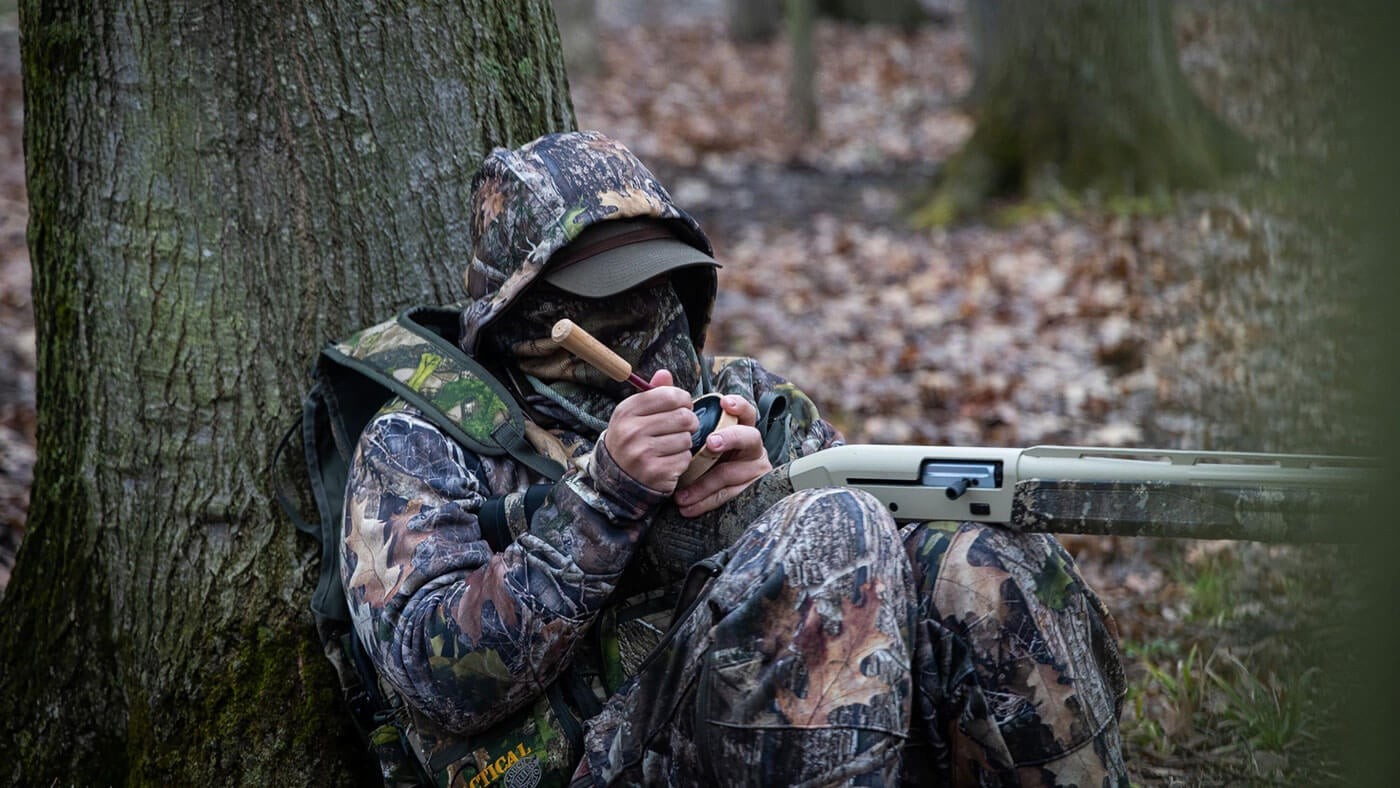
How to Call Turkeys: Complete Guide for Spring Season
Turkey calling is both art and science. Master the essential calls—yelps, clucks, purrs, and cuts—with this comprehensive guide covering call types, techniques, and real-world hunting strategies for spring gobblers.

How to Field Dress a Deer: Step-by-Step Guide
Proper field dressing preserves meat quality and makes processing easier. This step-by-step guide covers everything from first cuts to cooling, with tips from five decades of deer processing experience.
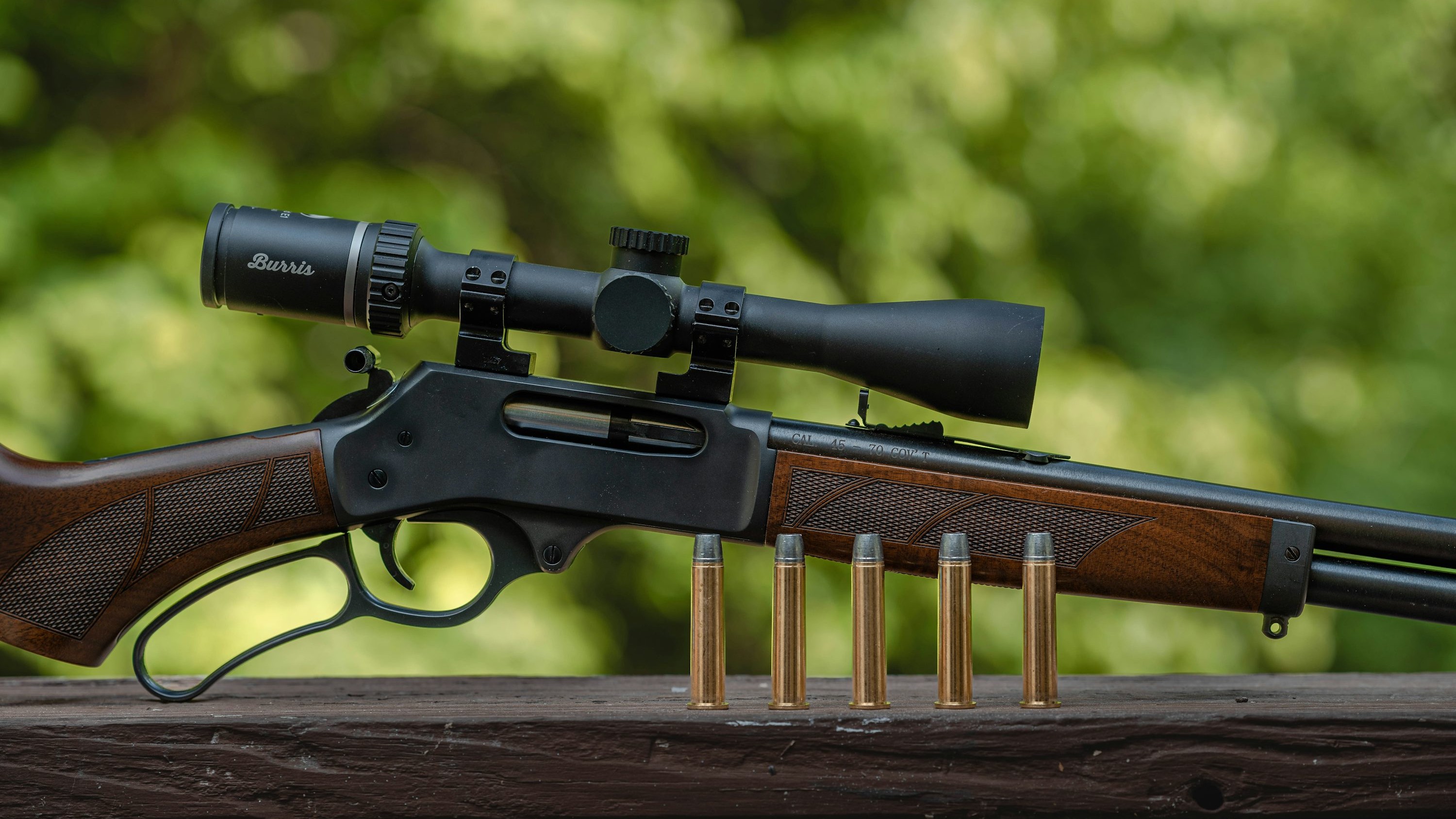
How to Zero a Rifle Scope: Step-by-Step Guide
A perfectly zeroed rifle scope is the foundation of every ethical shot. This step-by-step guide covers bore sighting, the box test, and field verification so you never miss because of bad zero.